The Retro Packaging Revival
Vintage Label Aesthetics for Modern Brands
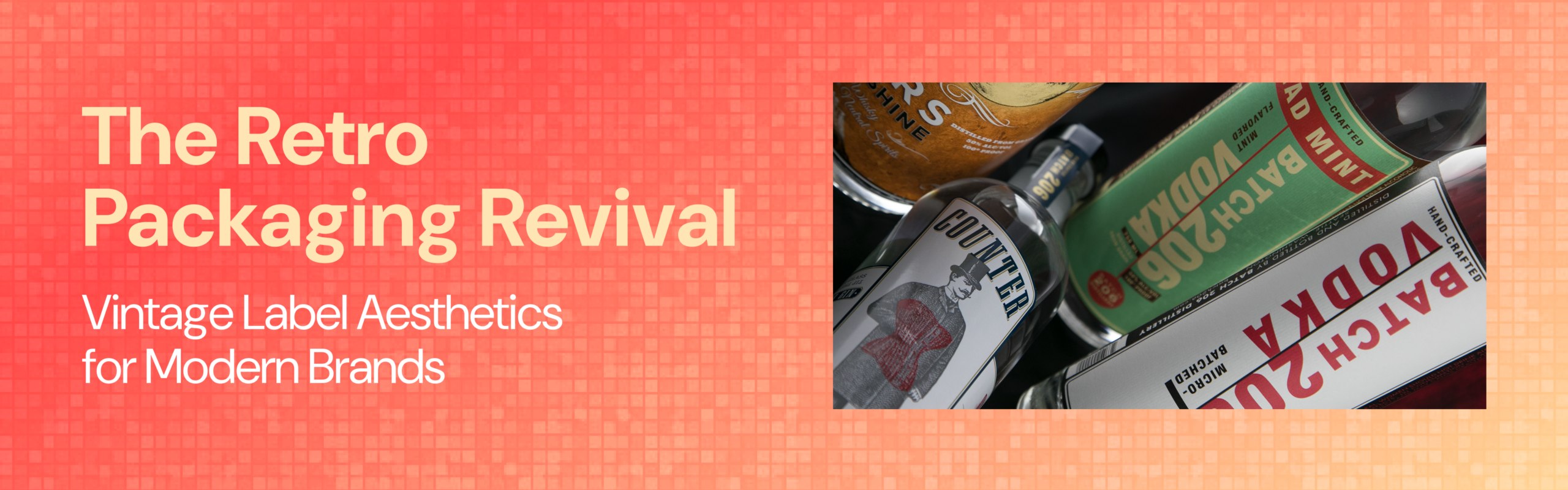
Across nearly every consumer category, the resurgence of retro is a powerful trend that is reshaping how brands design their packaging.
From heritage food labels to classic beverage can reissues, brands are rediscovering apothecary-style aesthetics, leaning into nostalgic design to spark emotional connection and stand out in an increasingly digital, fast-paced world.
Consumers are responding too. Studies show that nostalgia increases feelings of trust, comfort, and perceived quality, all of which influence purchasing behavior and brand loyalty.
The “retro revival” isn’t just about recreating old designs purely for aesthetics. It involves tapping into the emotional memory consumers carry with them, the familiar moments, colors, and shapes that signal authenticity and make a brand feel like an enduring part of their lives.
Even if a brand does not have a long history on the market, the retro strategy can still be a powerful selling tool.
Let’s explore why retro packaging works, how different decades inspire unique design languages, and the production techniques that help bring vintage looks to life on modern shelves.
The Business Case for Nostalgia: Why Retro Packaging Resonates
Nostalgia is a proven driver of consumer engagement. Familiar visual cues, such as an old logo, a vintage color palette, or a classic typeface immediately activate emotional memory.
Retro packaging helps brands feel more trustworthy, more established, and more authentic, even if the product itself is new. It signals craft, heritage, and story.
For legacy brands, retro or limited-edition throwback packaging strengthens brand equity and reconnects consumers with earlier eras of a product’s identity.
Newer brands also greatly benefit. Retro styling offers a way to build credibility and signal intentional design choices. It communicates that the brand stands for more than trends. It represents timelessness.
It’s important to remember that nostalgia appeals across multiple generations. Boomers recall the original designs. Millennials and Gen Z view them as “cool,” artistic, and culturally iconic. This broad resonance makes retro packaging a uniquely powerful tool in capturing multiple audiences at once.
Defining Each Era: A Decade-by-Decade Guide to Retro Design Elements
Every decade has its own visual fingerprint, and understanding these nuances helps brands select the right aesthetic for the story they want to tell. Let’s take a trip back in time.
1950s – Optimism and Chrome
Pastel tones, chrome-inspired accents, cursive scripts, and diner-style motifs create a warm, cheerful feel ideal for comfort foods and beverages.
1960s – Mod and Psychedelic
Bold geometrics, saturated hues, and expressive type evoke creativity and playfulness, fitting for brands with energetic personalities.
1970s – Earth Tones and Natural Vibes
Warm neutrals, organic shapes, and chunky fonts communicate authenticity and craftsmanship . A favorite for natural products and craft beverages.
1980s – Neon and Geometric Bold
Electric colors, high contrast, gradients, and confident sans-serifs create retro-futuristic energy perfect for lifestyle and beverage brands.
1990s – Bright Primaries and Attitude
Sticker-like graphics, graffiti-inspired marks, and vibrant primaries give a fun, bold, youthful vibe well-suited to snacks, beverages, and beauty.
2000s – Clean Lines and Early Digital Minimalism
Simplified layouts, clearer typography, restrained color palettes, and logo-forward design reflect the early influence of digital platforms and e-commerce. This era favors clarity and consistency, making it a strong reference point for brands seeking understated nostalgia with a modern feel.
Printing Methods and Embellishments for Vintage Aesthetics
Design sets the tone, but production techniques make the retro aesthetic believable. Vintage-inspired packaging depends on the right combination of print methods, finishes, and substrates.
Flexographic printing supports period-appropriate ink textures and rich color saturation. Digital printing excels at detailed distressing or limited-edition runs. Screen printing adds bold opacity and tactile personality. It is ideal for 60s, 70s, or 80s aesthetics.
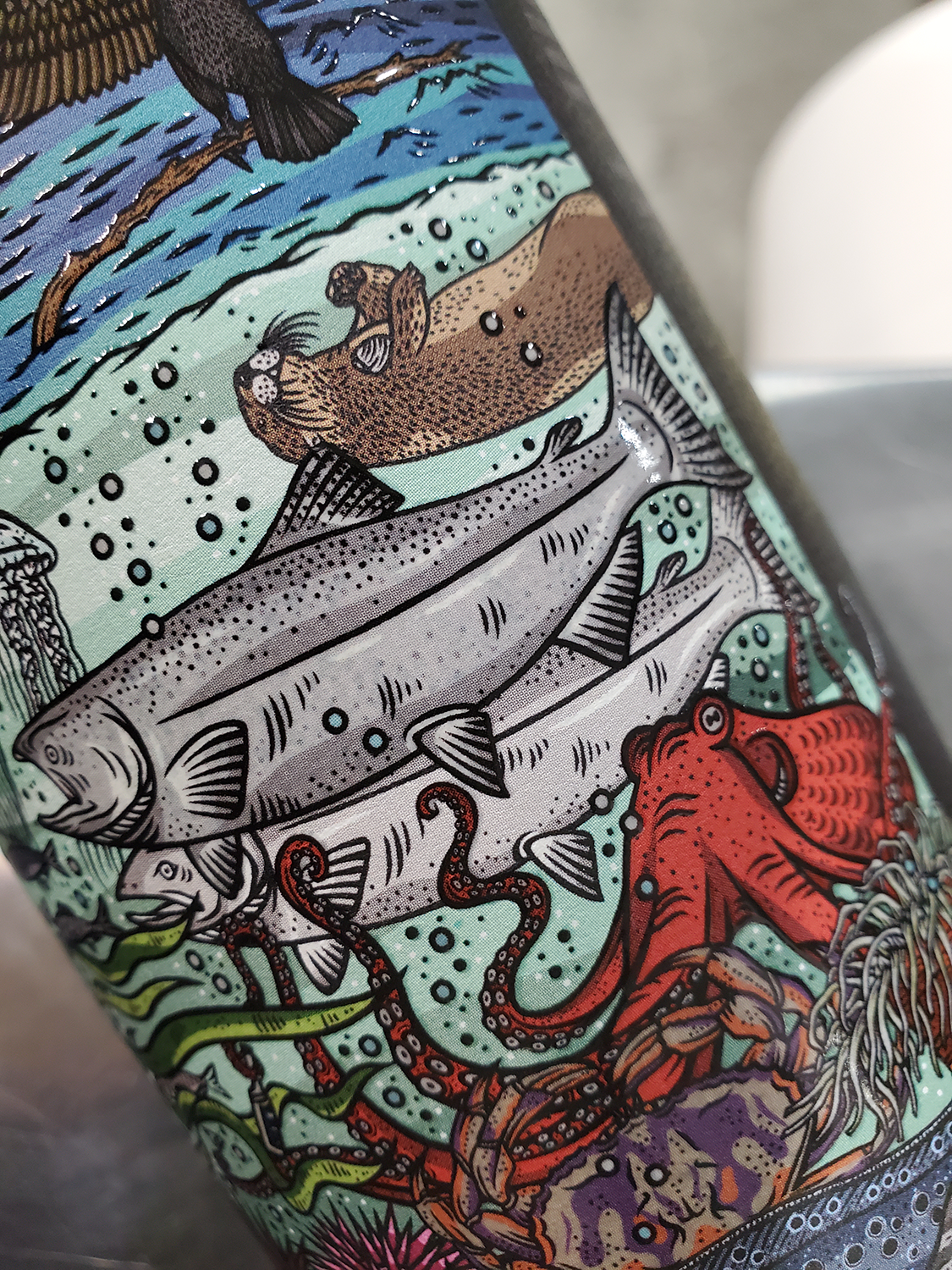
Embellishments strengthen the effect. Foil stamping can mimic metallic inks from mid-century labels. Embossing and debossing create the tactile, crafted feel of classic bottle labels. Coatings, such as matte, satin, gloss, or textured replicate aged surfaces or poster-like finishes.
Materials matter too. Textured or uncoated papers evoke old-school printing. Metallic papers echo chrome-heavy eras. Kraft papers deliver a 70s-style natural aesthetic. The right substrate helps align the execution with the intended time period.
Neo-Retro: How New Brands Are Adopting Vintage Aesthetics
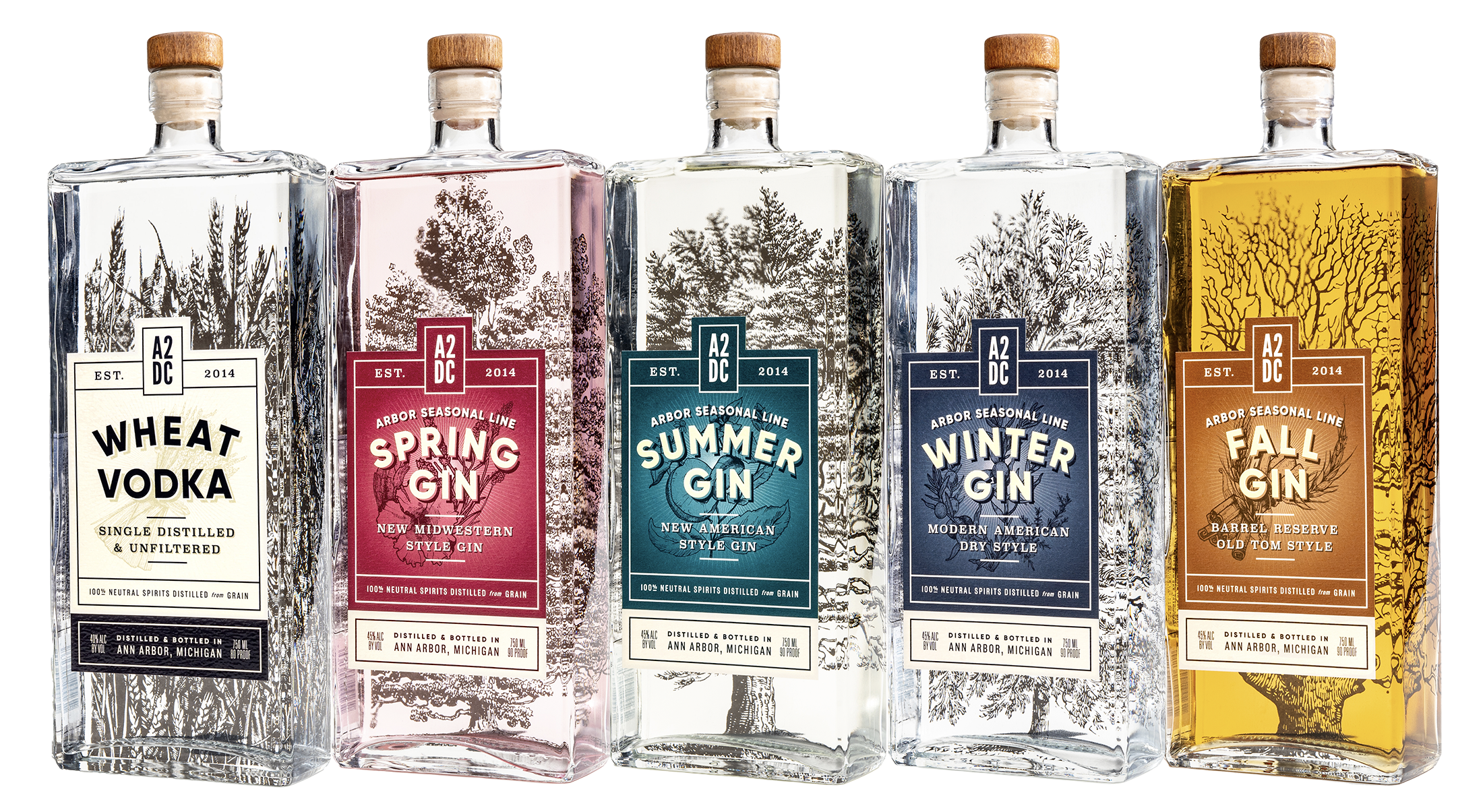
Retro isn’t just for heritage brands. Modern or recent products increasingly adopt vintage tones, typography, and materials to differentiate themselves in minimalist categories. This “neo-retro” style blends vintage cues with fresh, but nostalgic layouts.
Instead of replicating exact historical designs, neo-retro brands can reimagine them, like a 70s palette on a modern layout, a 60s typography with minimalist structure, or a 90s boldness with contemporary color discipline.
The result is instantly engaging and carries emotional weight even for consumers with no memory of the original era.
What to Look for in a Partner When Executing Retro Packaging
Retro-inspired packaging requires more than visual nostalgia. It demands careful execution to ensure designs feel authentic rather than forced. While period-specific aesthetics may look simple on the surface, translating them into modern packaging formats introduces technical considerations that can impact color, texture, and overall consistency.
The right packaging partner understands how historical design elements interact with contemporary production processes. Techniques such as foil, embossing, tactile coatings, and specialty substrates must be selected intentionally to support the era being referenced, while remaining practical for current manufacturing environments.
Equally important is the ability to manage color and material variability. Retro palettes often include muted, distressed, or nonstandard tones that require thoughtful calibration to reproduce accurately across different presses, runs, and locations. Without that discipline, even well-designed retro concepts can lose credibility at scale.
As brands expand retro programs beyond limited editions, consistency becomes a defining factor. Working with a partner that has experience managing multi-SKU and multi-site production can help maintain visual integrity while supporting operational efficiency.
Retro packaging also frequently aligns with natural or sustainable materials. An experienced partner can help evaluate substrate options that balance vintage appeal with durability, regulatory requirements, and sustainability goals, ensuring the final package feels both authentic and functional.
Looking for guidance on how to execute retro packaging with consistency and care?
RLG partners with brands to evaluate design intent, production considerations, and material options, helping translate nostalgic inspiration into packaging that performs reliably at scale.

Talk to our team!
Sources:
- https://confetti.design/blog/retro-and-nostalgic-packaging-why-old-school-design-is-making-a-comeback
- https://gamutpackaging.com/blogs/news/retro-packaging-design-evoking-nostalgia-in-consumers
- https://www.packagingdigest.com/packaging-design/retro-packaging-makes-a-comeback
- https://www.designrush.com/agency/digital-marketing/trends/nostalgia-marketing
- https://www.ama.org/marketing-news/the-anatomy-of-nostalgic-package-design/