
RLG Engineered | Graphic & Control Panel Overlays
Graphic & control panel overlays engineered for product interaction.
Custom interface overlays designed for visibility, durability, tactile guidance and user confidence. From industrial equipment and medical devices to electronics and commercial systems, RLG Engineered develops overlays that help products communicate clearly and perform reliably.
Product Interaction
The interface shapes the user experience.
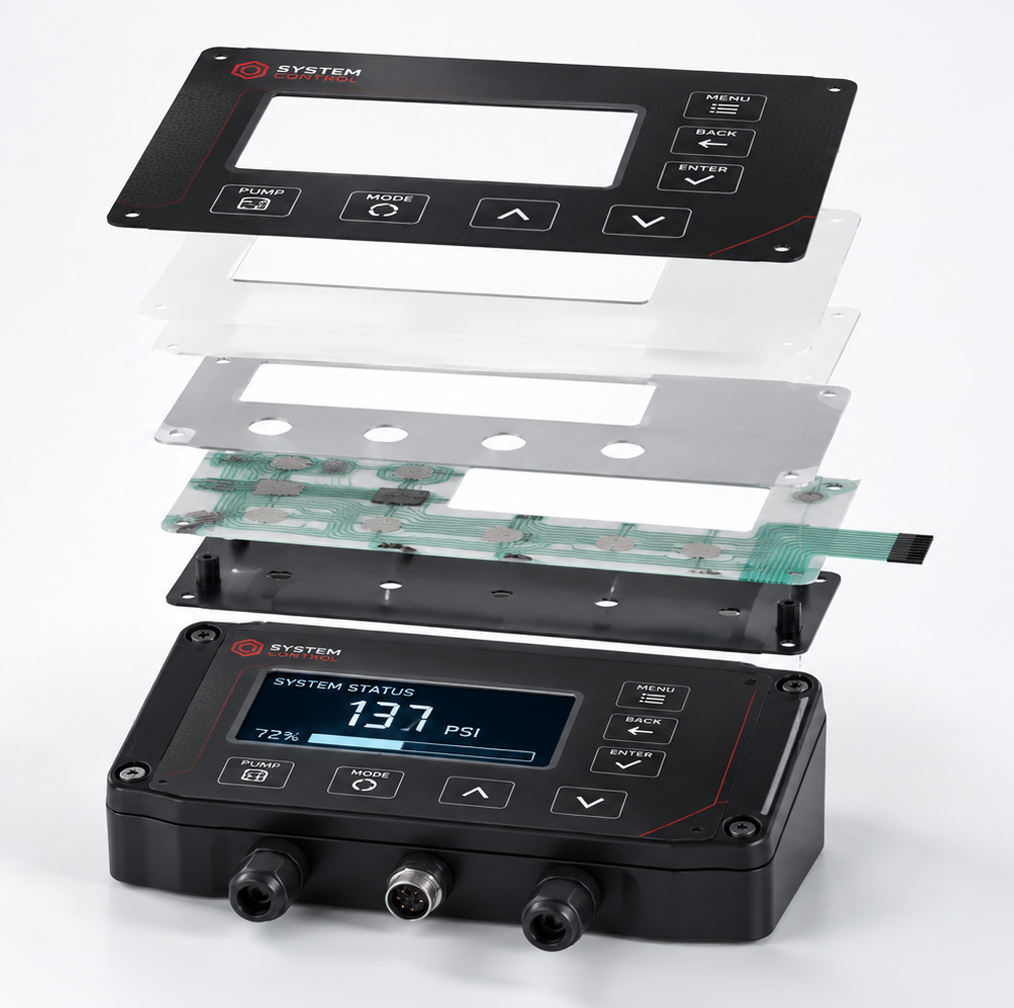
Graphic and control panel overlays are often the first part of a product a user sees, reads and touches. They organize information, guide operation, protect the interface and help the finished product feel dependable in the field.
RLG Engineered treats overlays as functional product components, not commodity print pieces. Every overlay must align with the housing, support the user interface, withstand expected exposure and maintain clarity throughout the product lifecycle.
That means the right construction starts with the application: environment, surface, adhesive, display windows, buttons, tactile requirements, lighting and the way the operator will actually use the product.
From early design support through repeat production, RLG helps manufacturers build graphic overlays, control panel overlays and human-machine interface (HMI) components that support visibility, branding, operation and long-term performance.
Interface Function
Graphic overlays do more than display information.
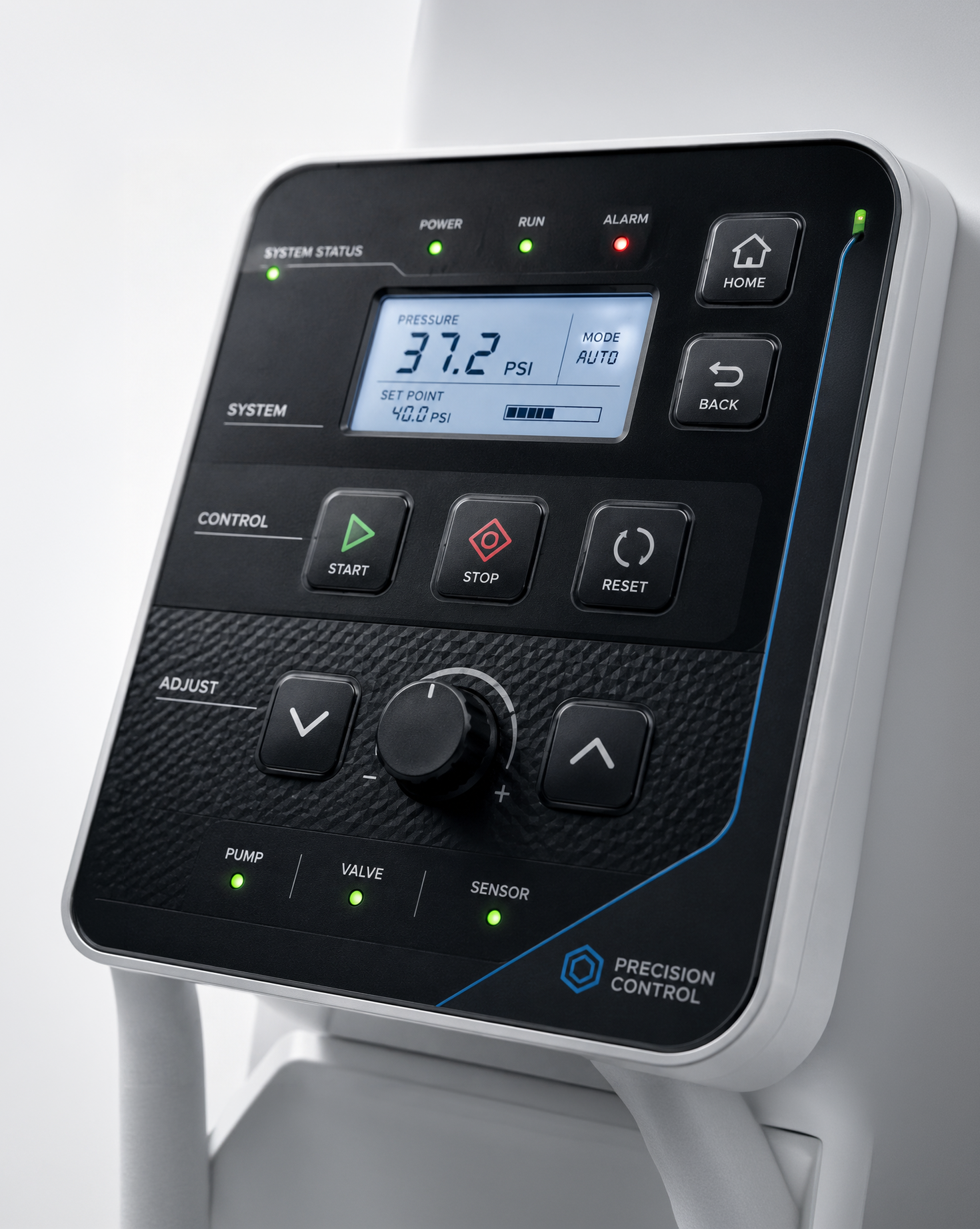
A control panel overlay has to communicate, protect, align and hold up under real use. It may include clear display windows, dead-front graphics, embossed buttons, selective textures, adhesives and specialized materials selected for the product environment.
Visual Communication
Legends, instructions, icons, colors and indicators that guide operation.
Product Branding
Durable graphics that support brand consistency across equipment families.
User Navigation
Layout, hierarchy and tactile cues that help operators find the right control.
Interface Protection
Film, coating and adhesive choices that protect the product face during use.
Overlay Construction
Built for visibility, durability and control.
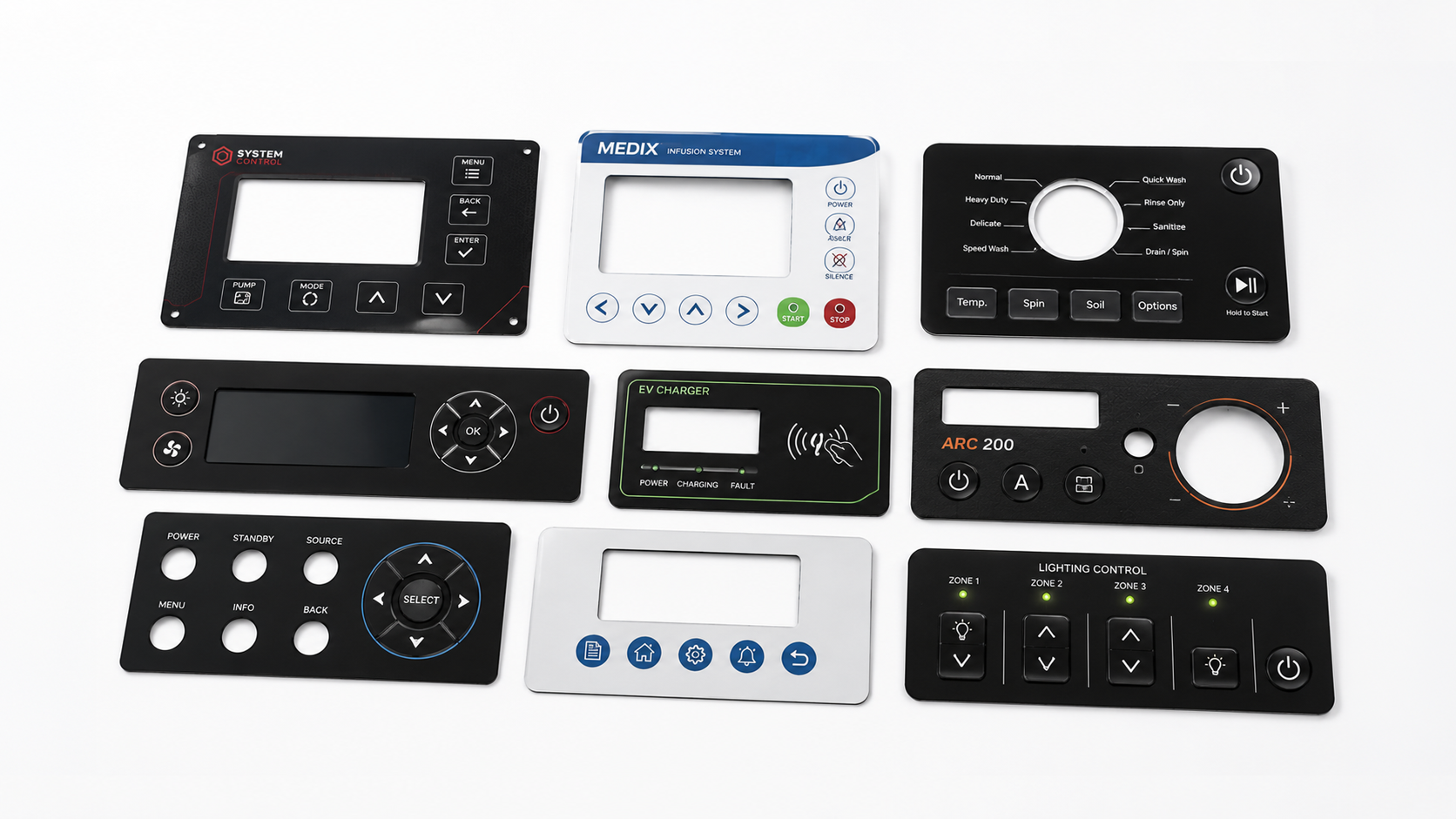
RLG Engineered supports custom graphic and control panel overlays using material, print, texture, adhesive and finishing options selected around the interface requirement and product environment.
Polyester Overlays
PET constructions for durability, dimensional stability, print performance and long-term interface use.
Polycarbonate Overlays
Control panel overlays with strong clarity, forming characteristics and graphic presentation options.
Dead-Front Graphics
Graphics or icons that remain hidden until backlit or activated by the product interface.
Embossing and Debossing
Raised or recessed features that support button feel, tactile guidance and operator navigation.
Display Windows
Clear, selective or shielded windows for LEDs, screens, indicators and backlighting.
Selective Adhesives
Adhesive systems and patterns selected around housing geometry, windows, switches and assembly needs.
The Conditions Come First
The environment should drive the construction.
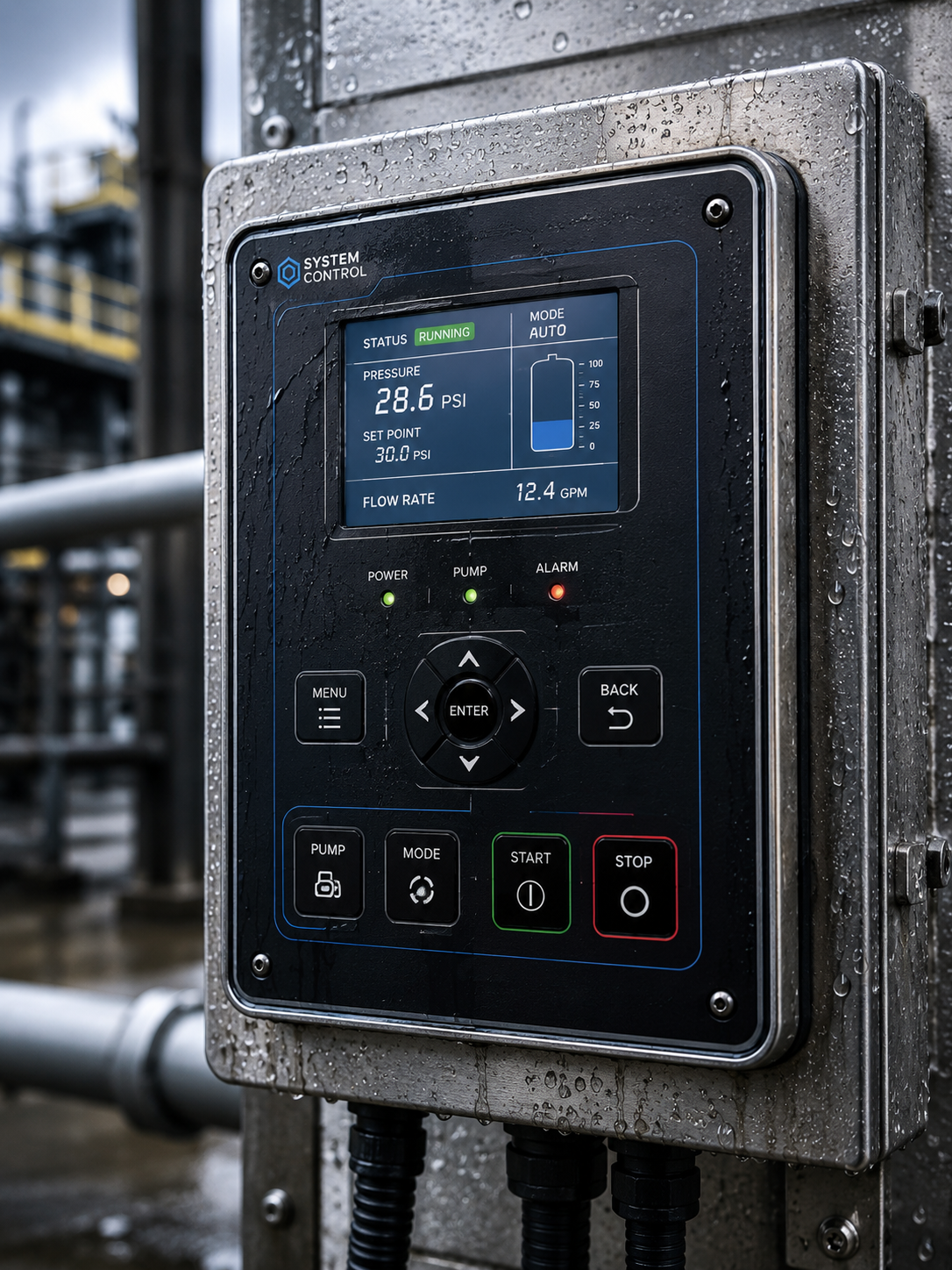
Overlay performance depends on where the product will be used, how often it will be touched, what it may be cleaned with and how long the interface must remain readable and intact.
Chemical and cleaning exposure
Materials, inks and coatings may need to resist solvents, cleaners, disinfectants or process chemicals.
Abrasion and repeated handling
Operator contact, gloves, tools and repeated use can influence film, coating and finish selection.
UV and outdoor use
Outdoor equipment may require materials and print systems designed for sunlight, heat, moisture and weathering.
Display and lighting requirements
LEDs, screens, dead-front features and backlighting can affect window design, opacity and ink systems.
Assembly and surface compatibility
Housing texture, surface energy, geometry and tolerances influence adhesive selection and die-cut fit.
Field Performance
Where graphic overlay programs typically fail.
Most overlay failures are not simply print failures. They often start with construction, exposure, surface compatibility or user interaction requirements that were not fully defined before production.
Delamination
Adhesive systems that do not match the housing surface, texture, coating or exposure conditions can begin to lift over time.
Premature Wear
Incorrect material, hardcoat, finish or texture choices can lead to abrasion damage where operators touch the interface repeatedly.
Environmental Exposure
UV, moisture, chemicals, cleaners and temperature cycling can drive material selection long before the graphic design is finalized.
User Interface Issues
Poor tactile response, unreadable legends, glare, weak windows or confusing button zones can reduce usability and product confidence.
The most successful overlay programs define the environment, product surface, user interaction and lifecycle expectations before the construction is selected.
Overlay vs. Switch
Graphic overlays and membrane switches are not the same thing.
A graphic overlay provides the visible, protective interface. A membrane switch adds electrical input. Many products use one or both depending on how the user needs to interact with the equipment.
Graphic Overlay
Printed interface layer that provides graphics, branding, instructions, windows and surface protection.
Control Panel Overlay
Durable overlay built around buttons, indicators, displays and operator control zones.
Keypad Overlay
Overlay construction with tactile guidance, button areas, embossing and interface navigation.
Membrane Switch
Multi-layer electrical assembly that completes a circuit when the user presses a control.
Applications
Where the interface has to perform.
Graphic and control panel overlays support products where the operator interface is part of the engineering requirement. The application determines the environment, and the environment determines the construction.

Industrial Automation & Process Control
Human-machine interface (HMI) components, control panel overlays, equipment controls and production-line systems exposed to handling, fluids, abrasion and service conditions.

Medical & Diagnostic Devices
Equipment interfaces, monitoring systems and healthcare instrumentation where cleanability, readability and controlled-use performance matter.

Electronics & Connected Technology
Device interfaces, branded housings, display windows and user-facing controls that need dimensional stability and crisp visual communication.

HVAC & Environmental Systems
Thermostats, control panels, environmental monitoring interfaces and keypad-style overlays exposed to temperature shifts, moisture and repeated use.

Consumer Products & Appliances
Premium interfaces, appliance controls and long-life product graphics where clarity, appearance and tactile feel influence product perception.
OEM Equipment Manufacturers
Private-label equipment, branded control systems and scalable overlay programs that need consistent fit, finish and repeatability across models.
Application-Driven Construction
Different environments demand different overlay constructions.
Ink, film, adhesive, windows, texture and finishing choices should be selected around where the product is used, how the operator interacts with it and how long the interface needs to remain readable, attached and easy to use.

Related Engineered Solutions
When the overlay is one part of a larger product requirement.
Graphic and control panel overlays often sit beside other engineered components: precision die-cut parts, VHB tape components, domed labels, warning labels, durable identification and membrane switch constructions.
RLG Engineered helps connect those related requirements so product teams can simplify sourcing, protect consistency and move from human-machine interface (HMI) requirements to production-ready component programs across related engineered solutions.
Questions Worth Answering
Questions about graphic and control panel overlays.
The right overlay depends on the product, application surface, interface requirements and expected use environment.
What is a graphic overlay?
A graphic overlay is a printed interface layer applied to a product, equipment housing or control panel. It can provide graphics, instructions, branding, display windows, button areas and protective surface performance.
What is the difference between a graphic overlay and a membrane switch?
A graphic overlay is the visible interface layer. A membrane switch is a functional electrical assembly that sends an input when pressed. Many membrane switches include a graphic overlay as the top layer.
What materials are used for graphic and control panel overlays?
Common materials include polyester, polycarbonate, acrylic, PVC/PETG, fire-retardant films and hard-coated materials. The right choice depends on durability, clarity, texture, exposure and interface requirements.
What is dead-front printing?
Dead-front printing hides icons, indicators or graphics until they are backlit or activated. It is often used for LEDs, touch zones, hidden controls and clean interface designs.
Can graphic overlays include display windows or backlighting?
Yes. Overlays can include clear or selective transparent windows, translucent inks, dead-front features and shielded windows for displays, LEDs, indicators and backlit interfaces.
Can overlays be embossed or textured?
Yes. Embossing, debossing and selective textures can support tactile guidance, button feel, glare reduction and operator navigation.
Can RLG Engineered support medical or regulated product overlays?
RLG Engineered can support overlay applications requiring controlled materials, durable constructions and documentation. If a product has medical, safety or compliance requirements, those conditions should be reviewed early in the project.

Ready to Start?
Need a graphic or control panel overlay built for real product use?
Bring us the interface requirements, operating conditions, housing details and product goals. RLG Engineered can help move the overlay from concept to manufacturable construction.