RLG Engineered | Blank Labels
Custom blank labels built for your printing process.
Blank labels still have to perform. RLG Engineered helps match the facestock, adhesive, liner, die-cut format and imprint method to your printer, product, surface and use environment.
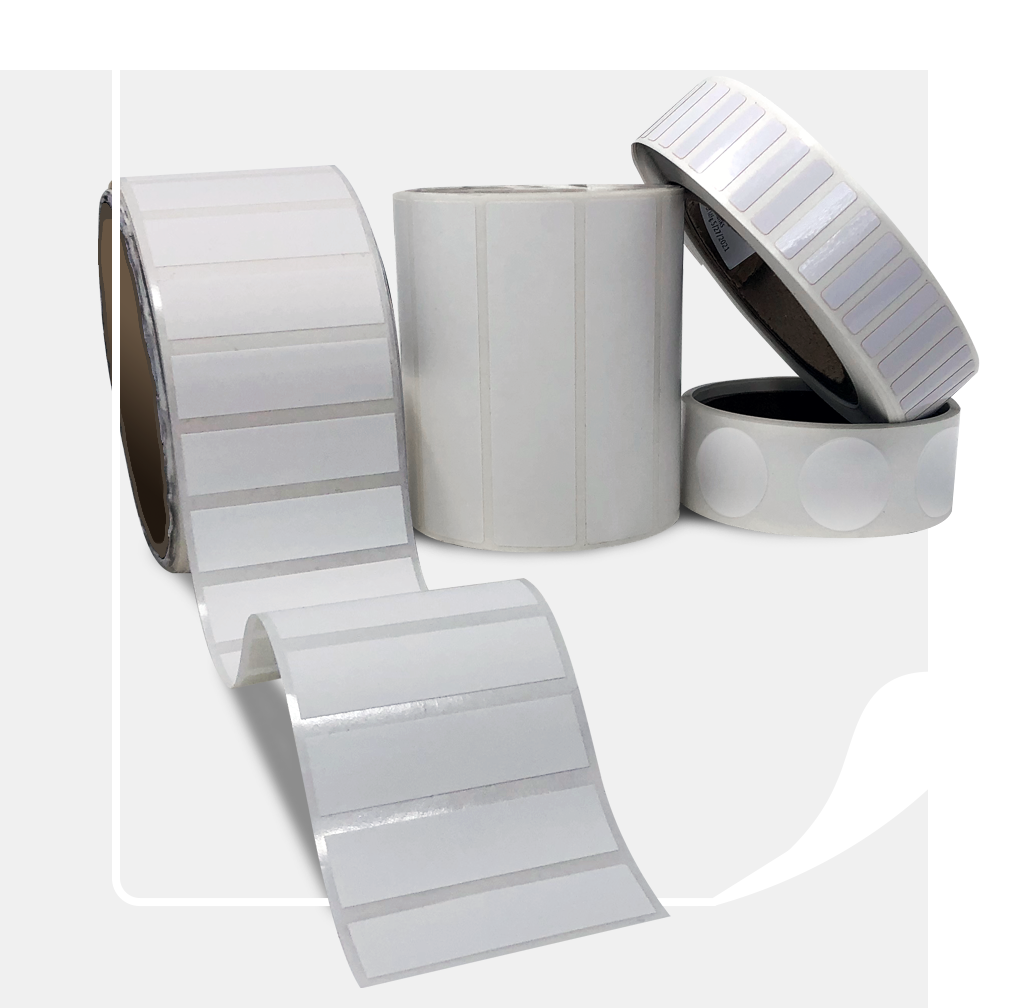
Engineered Blanks
Blank labels should be built around how they will be printed, applied and used.
Blank labels are often used when customers need to print information on demand: lot numbers, dates, barcodes, serial numbers, shipping information, product data or variable content added close to use.
The label construction still matters. Printer type, ribbon compatibility, label spacing, liner performance, adhesive selection, environmental exposure and surface material all affect whether the label prints cleanly, applies correctly and stays in place.
RLG Engineered supports custom blank labels for customers who need more than a stock blank. That may include durable materials, custom die shapes, specialty adhesives, preprinted templates, blank areas for secondary imprinting or label sets used across an assembly process.
As part of the broader RLG Engineered platform, blank label programs can connect to UL labels, weatherproof labels, asset identification and durable product marking requirements.
Built for the Process
The blank label, printer, ribbon and application have to work together.
A blank label program can fail for practical reasons: the material does not feed correctly, the ribbon does not match, the adhesive struggles on the surface, the liner does not dispense well or the label cannot handle the environment after it is printed.
Printer Compatibility
Blank constructions aligned to thermal transfer, direct thermal, laser, inkjet or other imprinting needs.
Ribbon and Imaging Fit
Material and ribbon combinations selected to support clean, durable printed data.
Adhesive Performance
Adhesives matched to surface energy, texture, temperature, exposure and dwell time.
Converted Format
Rolls, sheets, die cuts, liner scoring, spacing and sets designed around the production workflow.
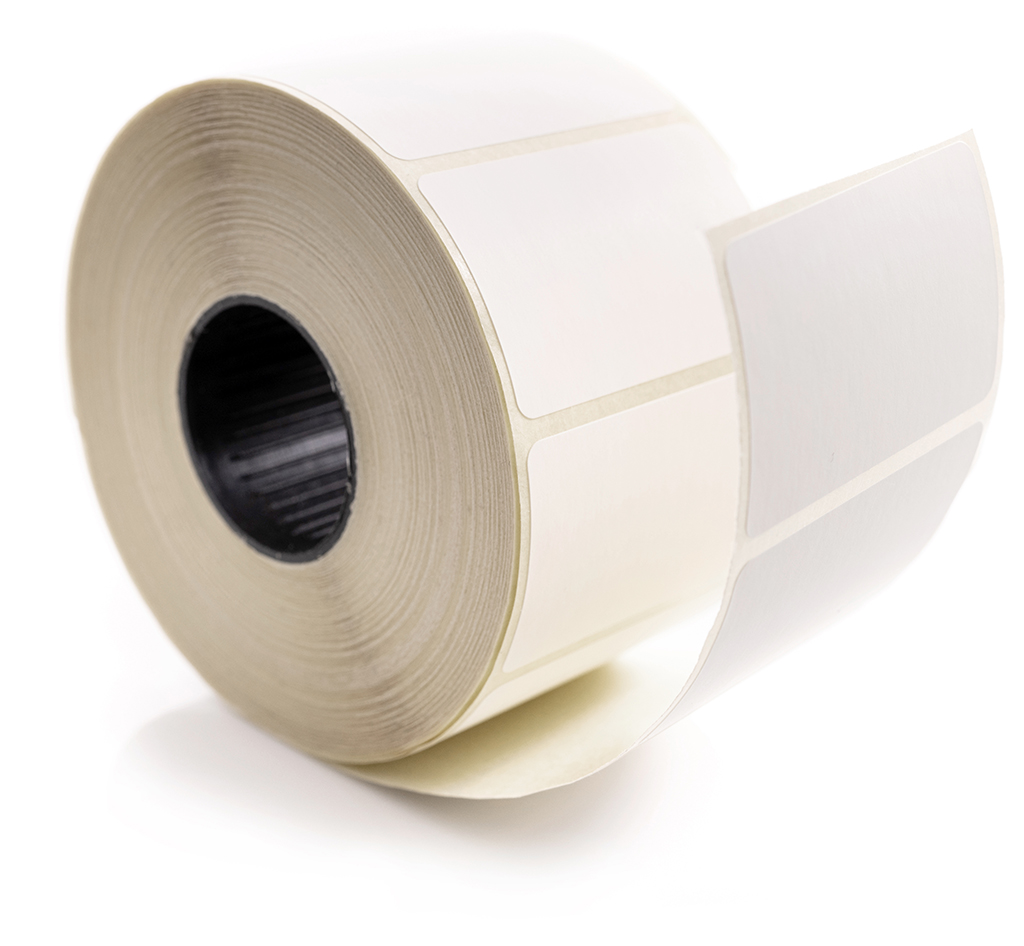
Capabilities & Features
Custom blank label options for controlled, on-demand printing.
RLG Engineered helps customers develop blank labels around printer requirements, material performance, label format and the environment the final printed label must survive.
Custom Die-Cut Blanks
Blank labels converted to the shape, size, corner radius, spacing and roll format your application requires.
Preprinted Templates
Partially printed labels with blank areas reserved for dates, lots, serial numbers, barcodes or customer-specific data.
Thermal Transfer and Direct Thermal
Blank constructions and ribbon considerations for common on-demand printing environments.
UL and Compliance Options
Durable blank constructions may support regulated marking needs when the application requires the right material path.
Specialty Shapes and Sets
Multiple label components, sets, liner scoring and application aids for production or service workflows.
Specialty Adhesives and Materials
Polyester, polyimide, security, self-laminating and high-performance adhesive options for demanding surfaces and environments.
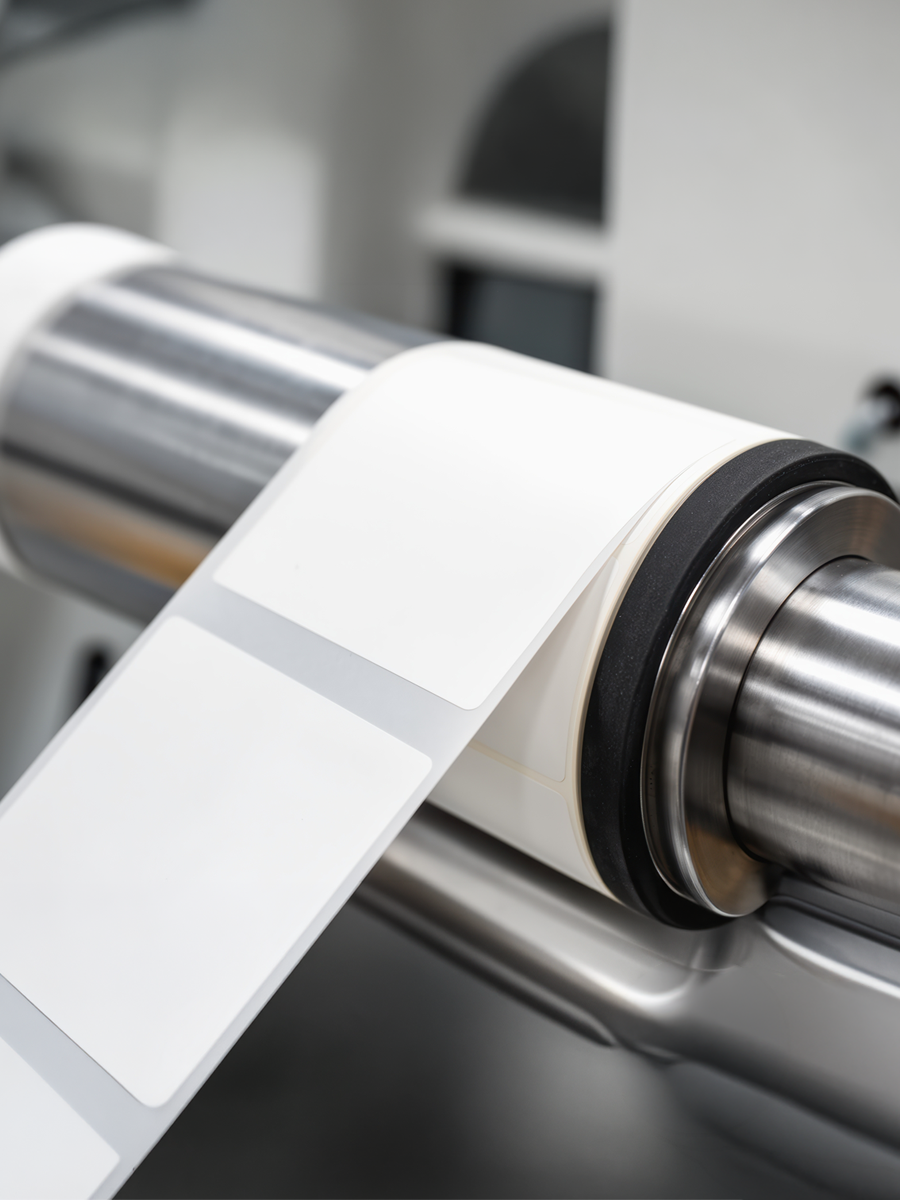
Material and Format Details
Small construction choices can change how a blank label performs.
Blank labels are often selected by size and printer type, but durable applications require a closer look at the full label system. The right solution considers the material, adhesive, liner, roll direction, core size, print method and the surface where the label will be applied.
Facestock selection
Paper, film, polyester, polyimide and other materials can be selected around print method and durability needs.
Adhesive fit
Adhesives can be matched to surface energy, texture, temperature range, moisture exposure and handling.
Liner and dispensing performance
Release liners, liner scoring and roll formats can support manual application, printers, dispensers and production equipment.
Print method compatibility
Blank labels can be developed for thermal transfer, direct thermal, laser, inkjet or other imprinting processes.
Application durability
Environmental requirements may include abrasion, chemicals, heat, UV, moisture, cold storage or outdoor exposure.

On-Demand Printing Support
Reliable blank labels depend on the full print-and-apply system.
Blank labels need to be evaluated as more than empty space. The label construction should support the printer, ribbon, printed data, application surface and conditions the label will face after application.
Applications
Where custom blank labels are used.
Custom blanks are useful when the same label construction must carry changing data, or when a customer wants to print close to production, shipment, service or installation.
Product Identification
Labels for model numbers, product data, internal tracking, item marking and on-demand information.
Shipping and Carton Labels
Box labels, package labels and logistics labels designed around print quality, handling and adhesion.
Barcode and Serial Labels
Blank labels for barcodes, asset IDs, lot codes, serial numbers and variable information.
UL and Agency Marking
Durable blank or template labels used when customer-applied data must remain legible over time.
Service and Field Labels
Imprintable labels for maintenance, inspection, equipment service, installation and field support.
Manufacturing Workflows
Label sets, blanks, templates and application aids used throughout production, assembly and packaging.
Blank vs. Preprinted
Blank labels are best when the information needs to change.
Blank labels are a strong fit when information is created at the point of production, shipment or service. They allow teams to print variable data, dates, barcodes, item identifiers or customer-specific information on demand.
Preprinted labels may be a better fit when high-quality graphics, consistent branding, complex color, regulatory copy or large runs of identical labels are required.
Many programs use both: a preprinted template or durable base construction with blank areas reserved for customer-applied data. RLG Engineered can help determine whether the application calls for a fully blank label, a partially printed template or a fully printed durable label.
Use blanks for variable data
Dates, lots, serials, barcodes, shipping data, inspection marks and product-specific information.
Use preprinted labels for consistency
Brand graphics, detailed instructions, fixed warnings, color-critical layouts and production runs.
Use templates for both needs
Fixed design elements printed in advance, with blank zones left open for secondary imprinting.
Use specialty constructions for risk
Durable materials, security stocks, self-laminating labels or compliance-oriented constructions.
Development Path
The right blank label starts with how it will be printed and used.
Blank label projects move faster when the application, printer, ribbon, surface and environment are reviewed before the construction is selected.
Define the Use
Identify the printed information, label purpose, application surface and expected life.
Review the Print Method
Confirm printer type, ribbon, print resolution, roll direction, core and dispensing needs.
Select the Construction
Choose facestock, adhesive, liner, coatings and durability requirements.
Confirm Format
Plan shape, size, gaps, perforations, liner scoring, set structure and roll or sheet format.
Produce and Support
Move into repeatable production with the right presentation, packaging and supply plan.

Related RLG Engineered Solutions
When blank labels are part of a broader durable marking system.
Blank label programs often connect to asset tracking, UL labels, durable identification and engineered materials for harsh environments.
Blank Labels FAQ
Questions worth answering before production begins.
The right blank label is defined by the printer, ribbon, surface, environment, data requirements and production workflow.
What are custom blank labels?
Custom blank labels are unprinted or partially printed labels manufactured around a specific size, shape, material, adhesive, liner and printing process. They are commonly used when data needs to be printed on demand.
Can blank labels be made for thermal transfer printing?
Yes. Blank labels can be developed for thermal transfer printing, and the label material should be reviewed with the ribbon and printer so the printed information is readable and durable.
Can RLG Engineered make preprinted template labels?
Yes. Template labels can include fixed graphics, borders, warnings or instructions while leaving blank areas open for lot numbers, dates, barcodes, serial numbers or other variable information.
What information is helpful before quoting blank labels?
Helpful inputs include label size, shape, printer type, ribbon type, roll direction, core size, application surface, exposure conditions, required durability, annual volume and whether the label will be fully blank or partially preprinted.
Can blank labels support durable or compliance applications?
Yes, depending on the required construction. Durable blank labels may use specialty films, adhesives, coatings or ribbons to support product identification, agency marking, asset tracking, outdoor exposure or other performance needs.
Talk With RLG Engineered
Need blank labels built around your printer, surface and production process?
Bring us the printer, ribbon, surface, environment, data requirement or production challenge. RLG Engineered can help develop a blank label or preprinted template label that supports dependable on-demand printing.