
Control the surface. Protect the experience.
Engineer varnishes, coatings and laminates as part of the complete label construction to manage durability, gloss, texture and tactile contrast with intent.
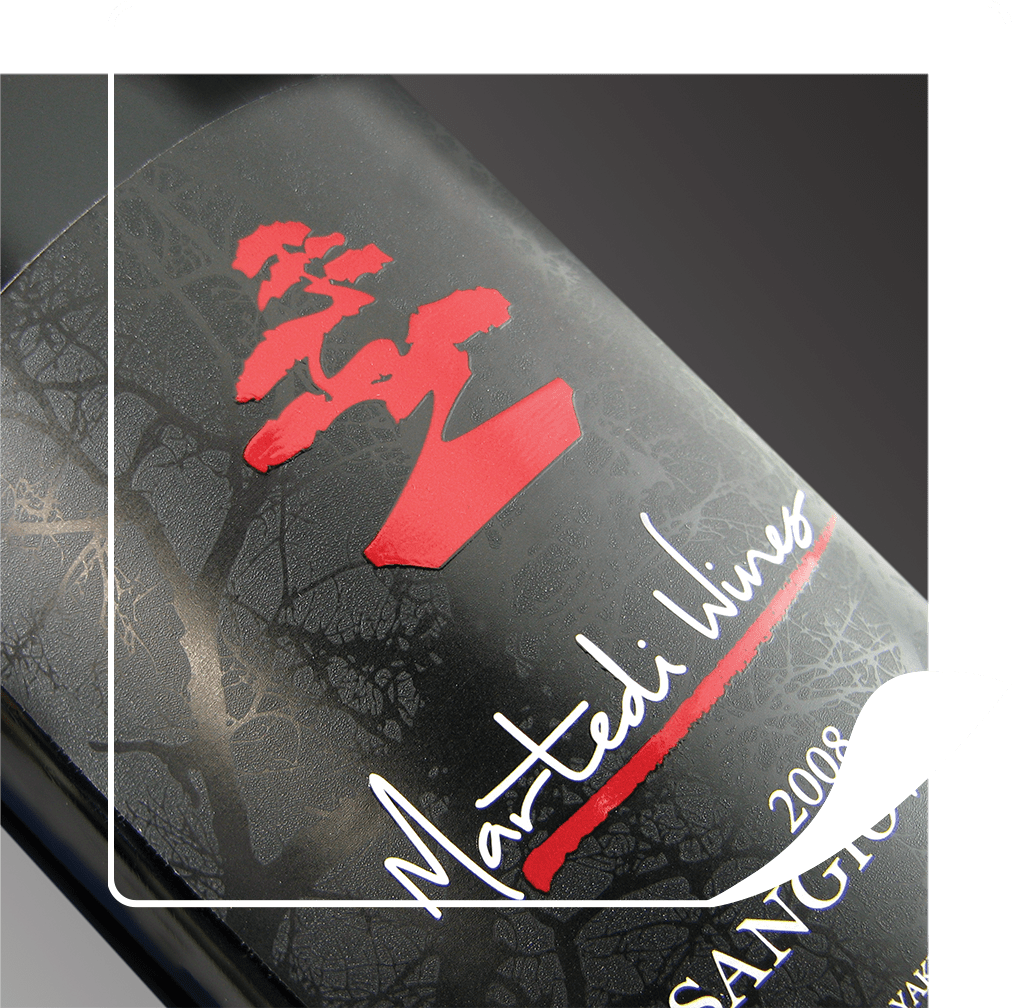
The strongest surface strategies are built around the complete package system. The right treatment may protect printed graphics, shape the visual finish, create tactile contrast or combine all three within one coordinated construction.
Protect
Manage scuffing, moisture, oils, chemicals and repeated handling with a finish matched to the use environment.
Decorate
Use selective gloss, matte, texture or high-build detail to direct attention and reinforce brand hierarchy.
Combine
Layer protection and decoration so the label performs without giving up the material character or visual effect.
Separate protection from decoration when the package needs both.
A full-surface treatment can provide baseline protection while a selective coating adds contrast, depth or tactile emphasis. In other cases, a laminate can provide stronger barrier performance with decorative varnish applied over a compatible construction.
The goal is not to add more layers. It is to assign each layer a clear role.
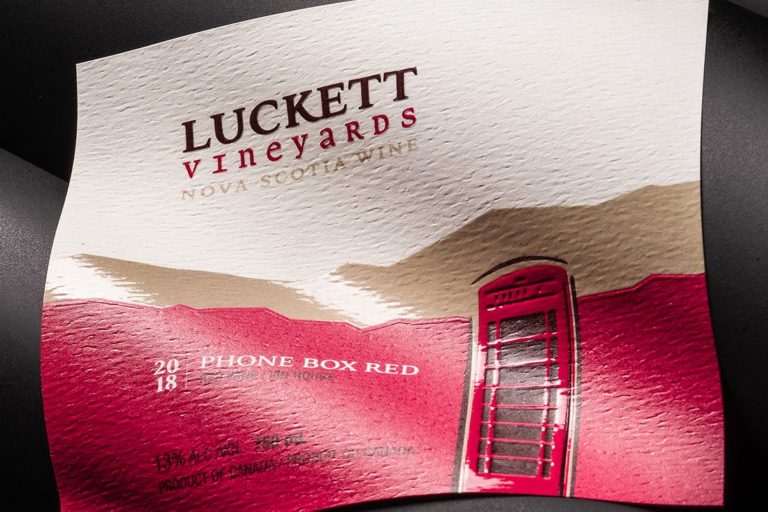

Use surface relief to create a physical focal point.
Tactile and high-build coatings can lift selected details above the label surface, creating stronger interaction and more visible contrast than a standard flat finish.
Rotary screen printing can lay down a heavier, more controlled deposit of varnish, supporting raised details, textured patterns and selective effects that are meant to be felt as well as seen.
Build for what the label will actually encounter.
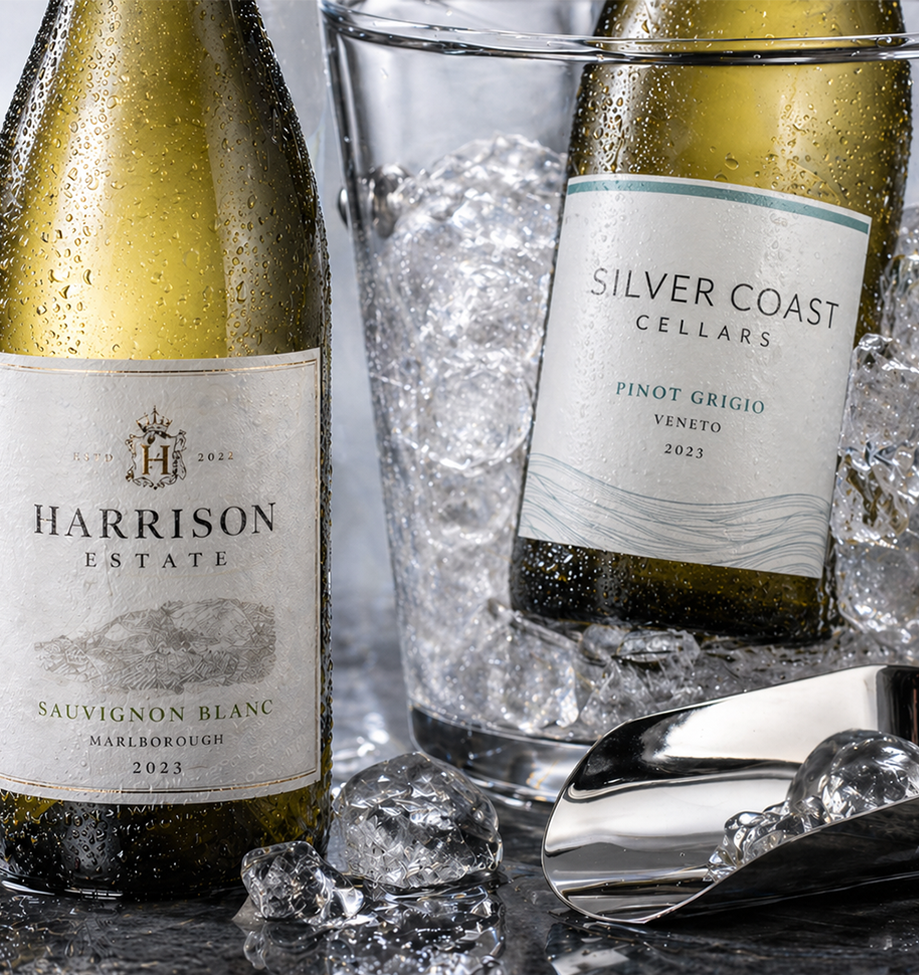
Surface protection should reflect the realities of shipping, storage, handling and product use. A finish that performs well in a dry retail setting may not be enough for condensation, repeated abrasion or exposure to oils and chemicals.
Support labels used in refrigerated, chilled or ice-bucket environments.
Protect printed graphics through packing, transit and repeated handling.
Match the surface treatment to expected spills, cleaners or product exposure.
Balance abrasion resistance with the intended look and feel of the label.
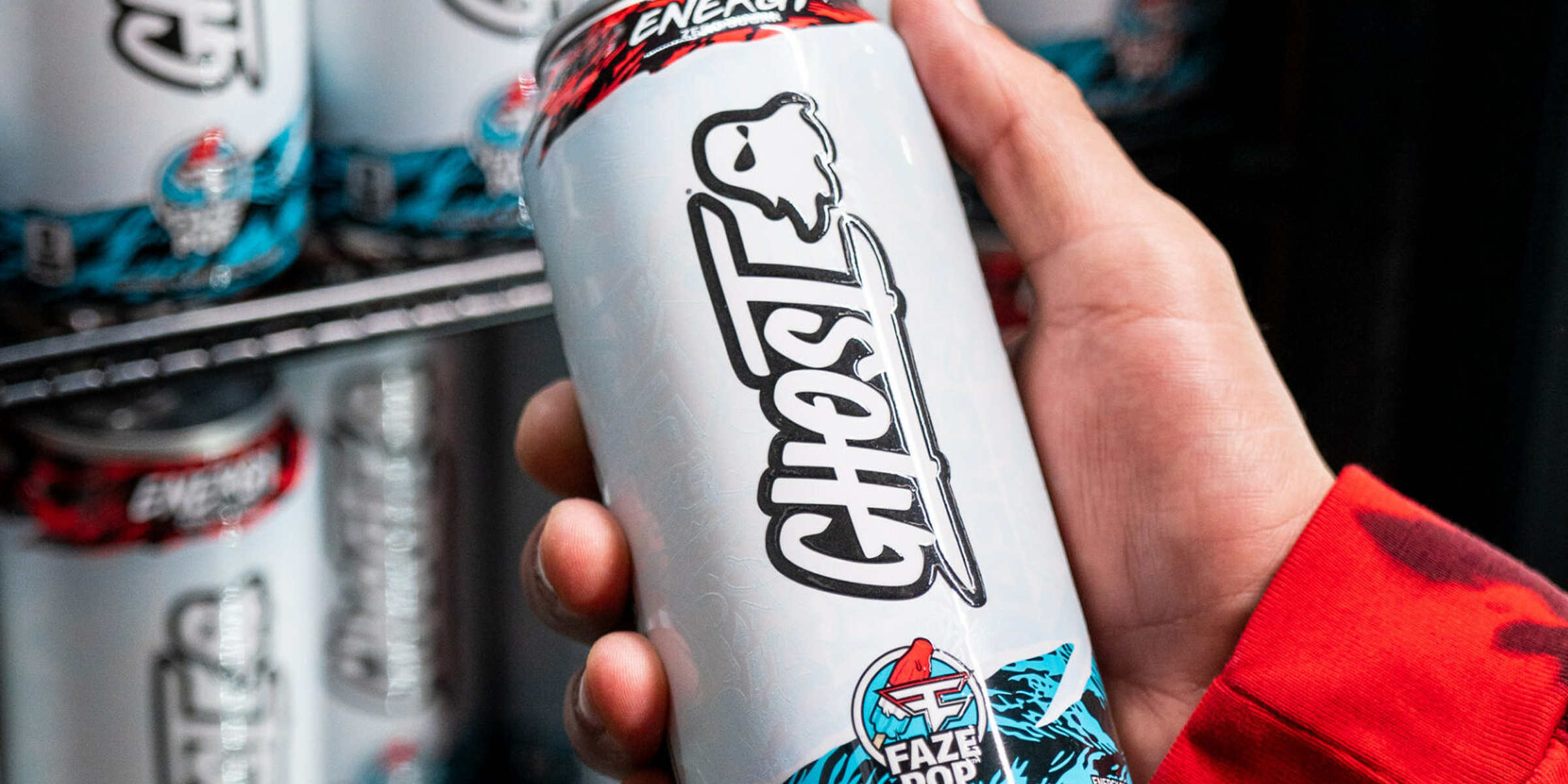
Surface treatments should support the construction, not fight it.
Paper, film, pressure-sensitive labels and shrink sleeves each respond differently to coatings and laminates. The finish should be selected with the substrate, print process, container shape and application environment in mind.
Choose the finish by how it changes color, contrast and texture.
Gloss, matte, satin, super matte and high-build treatments do more than change reflectivity. They influence color density, contrast, texture and the way individual design elements separate from one another.
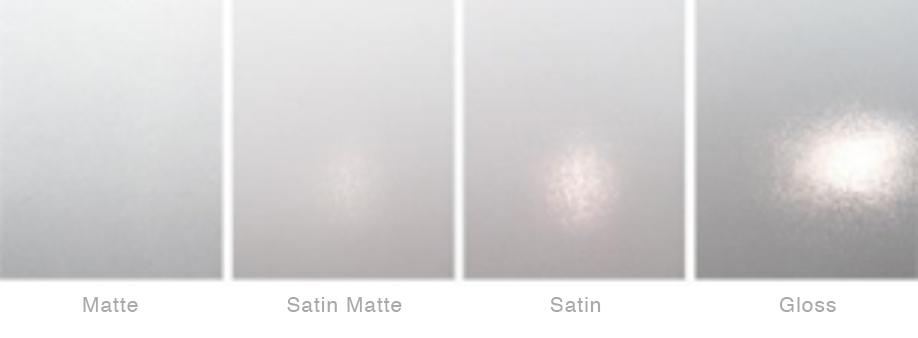
Design the finish with the artwork, color and substrate in mind.
Surface treatments can strengthen hierarchy and protection, but they also change how color and texture are perceived. The best results come from planning the finish early rather than treating it as a final production add-on.
Matte treatments can lighten dark areas, while gloss can deepen them. Review the effect as part of the color strategy.
Heavy films can mask the natural feel of estate, linen or textured papers.
Selective coatings aligned to print, foil or embossing require careful artwork and prepress control.
The coating or laminate should be compatible with the substrate, adhesive, environment and product exposure.
Gloss against matte or tactile against smooth works best when the finish supports a clear focal point.
Evaluate the finished system rather than assuming each component will perform the same in combination.
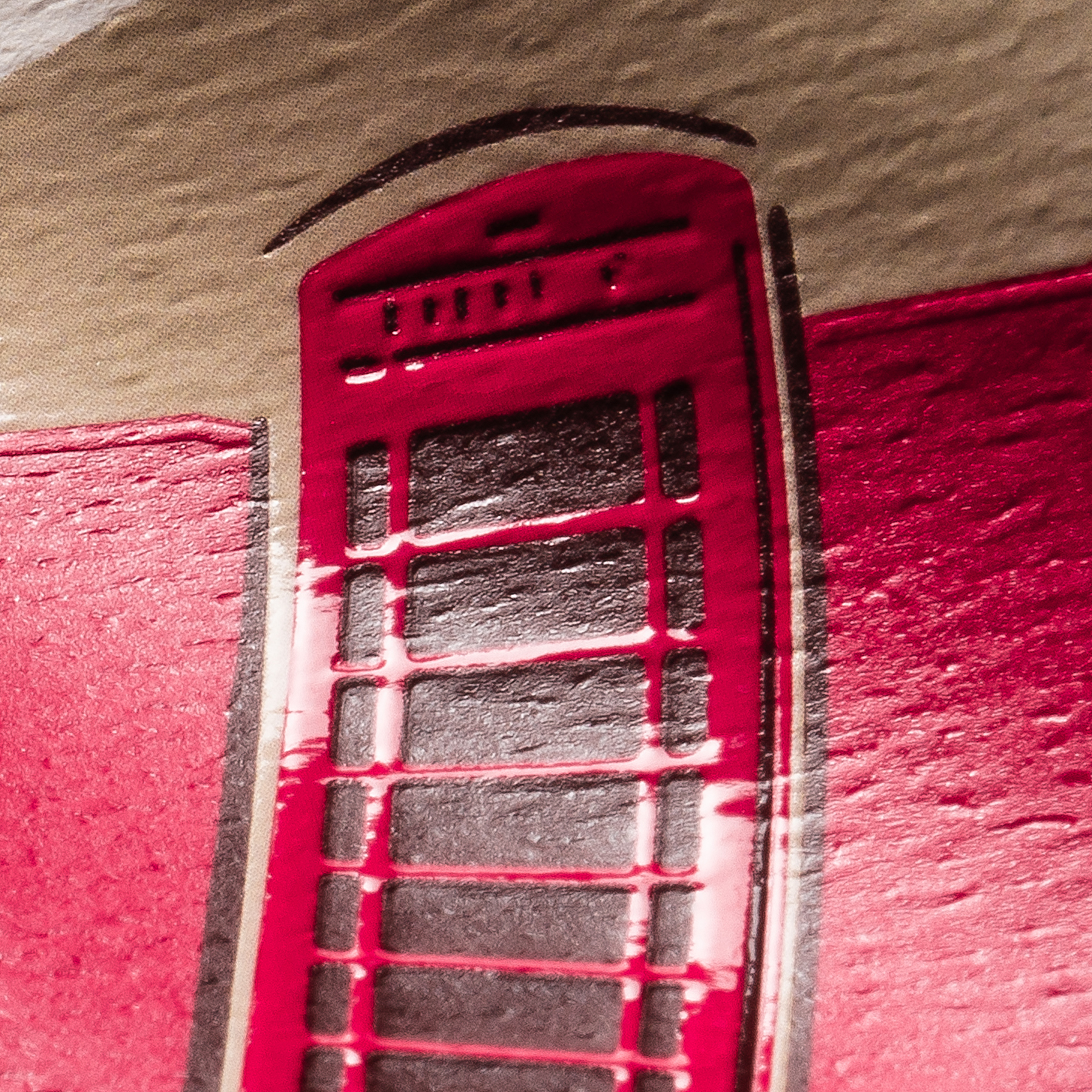
Build the package around the role each finish needs to play.
Coatings and laminates can support other embellishments by creating contrast, protecting printed areas and helping selected details stand apart.
Use surface treatments wherever performance and appearance need to work together.
Coatings and laminates support packaging that must maintain visual quality, survive demanding use conditions or create a more deliberate tactile and reflective experience.
Plan the finish around the complete label construction. Substrate, print method, coating chemistry, laminate selection, registration, container shape and use environment all affect feasibility and performance. RLG can help define the right balance of protection, decoration and tactile effect for the program.
Engineer the surface around the package experience.
Bring your artwork, material questions and performance requirements to RLG. We’ll help build a finish strategy that protects what matters and makes the right details more distinctive.