Make the surface impossible to ignore.
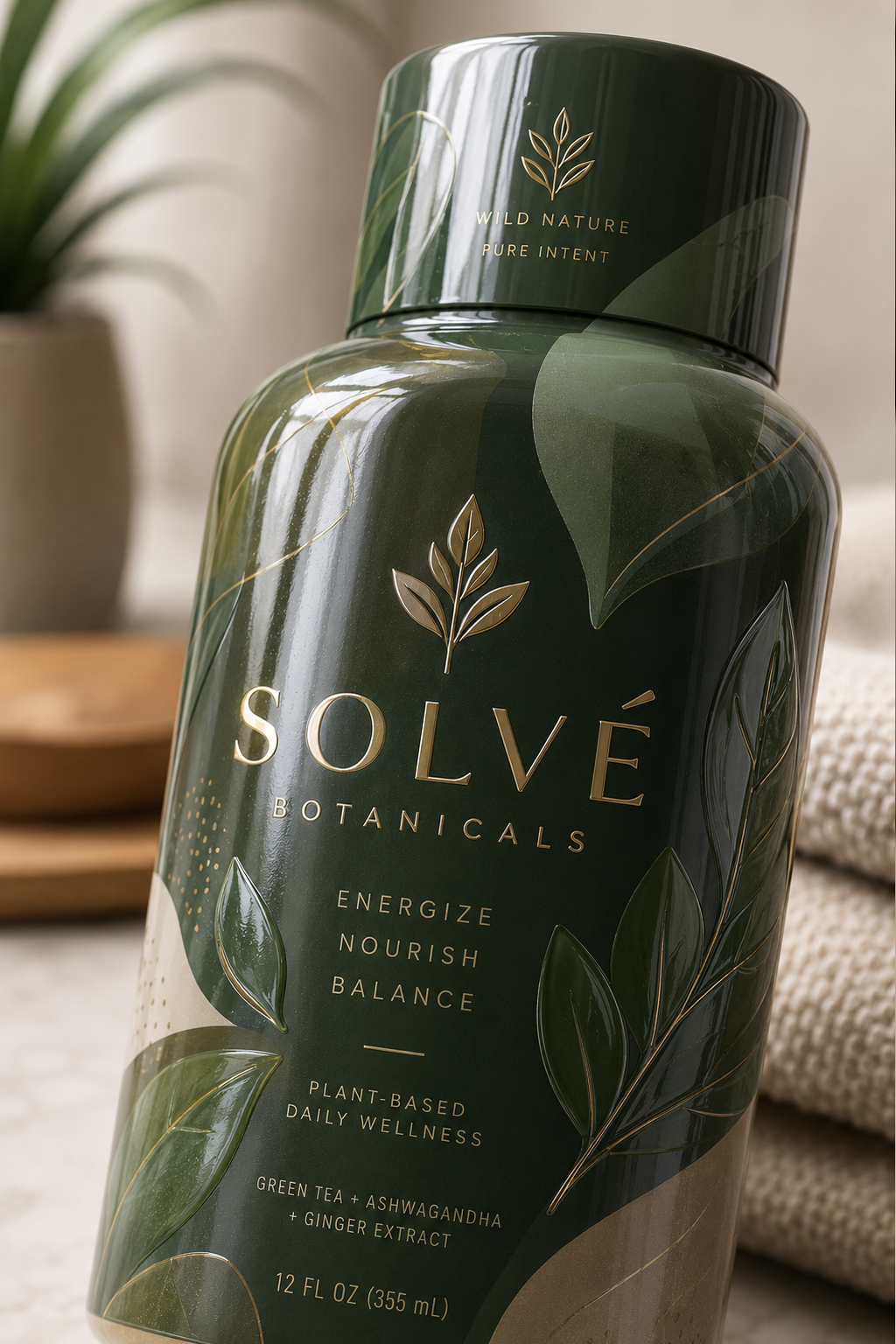
Use screen printing to add high-build gloss, tactile detail, opaque color and precise raised effects to custom labels and packaging.
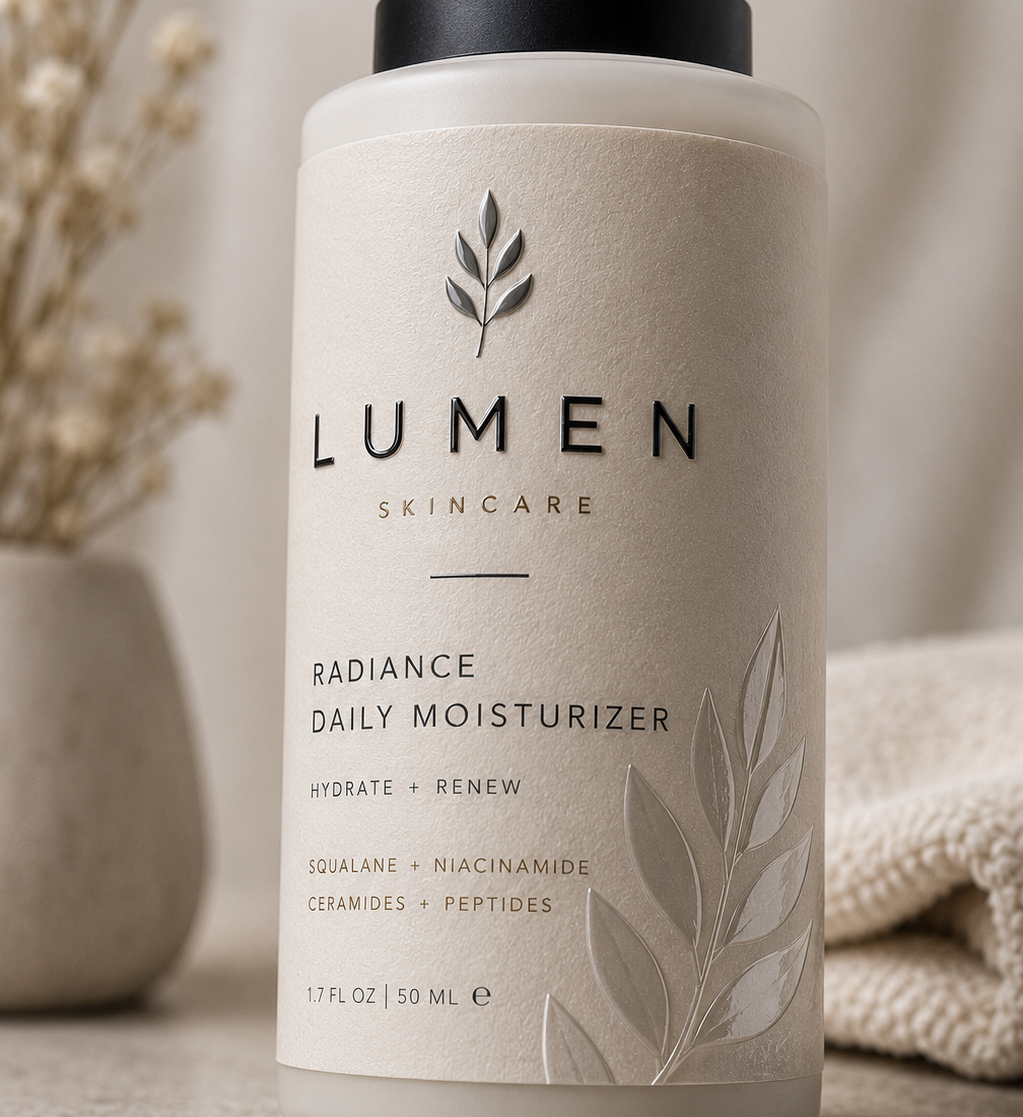
Screen printing is one more premium decoration option within the label system. Its advantage is the ability to place a heavier, more controlled deposit of ink or varnish where opacity, texture or physical relief matters most.
Opacity
Create stronger whites and color coverage on clear, dark or visually demanding surfaces.
Texture
Add tactile gloss, matte or patterned effects that give selected areas a distinct feel.
Dimension
Build raised type, logos and graphic details that stand visibly above the label surface.
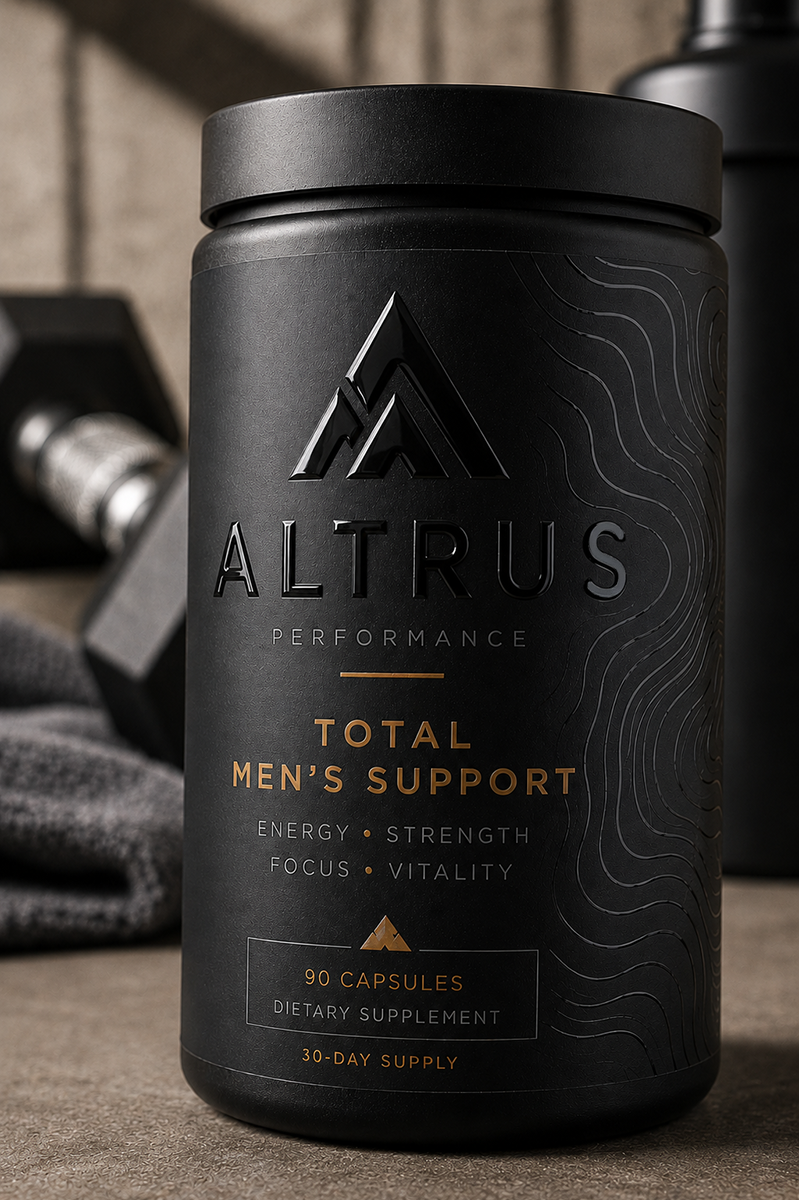
Add more material where the design needs more presence.
A heavier deposit of varnish or ink can make selected details more visible, more tactile and more distinct from the surrounding print.
Used selectively, high-build screen printing creates a physical focal point without turning the entire label into a dimensional surface.
Give color enough coverage to hold its ground.
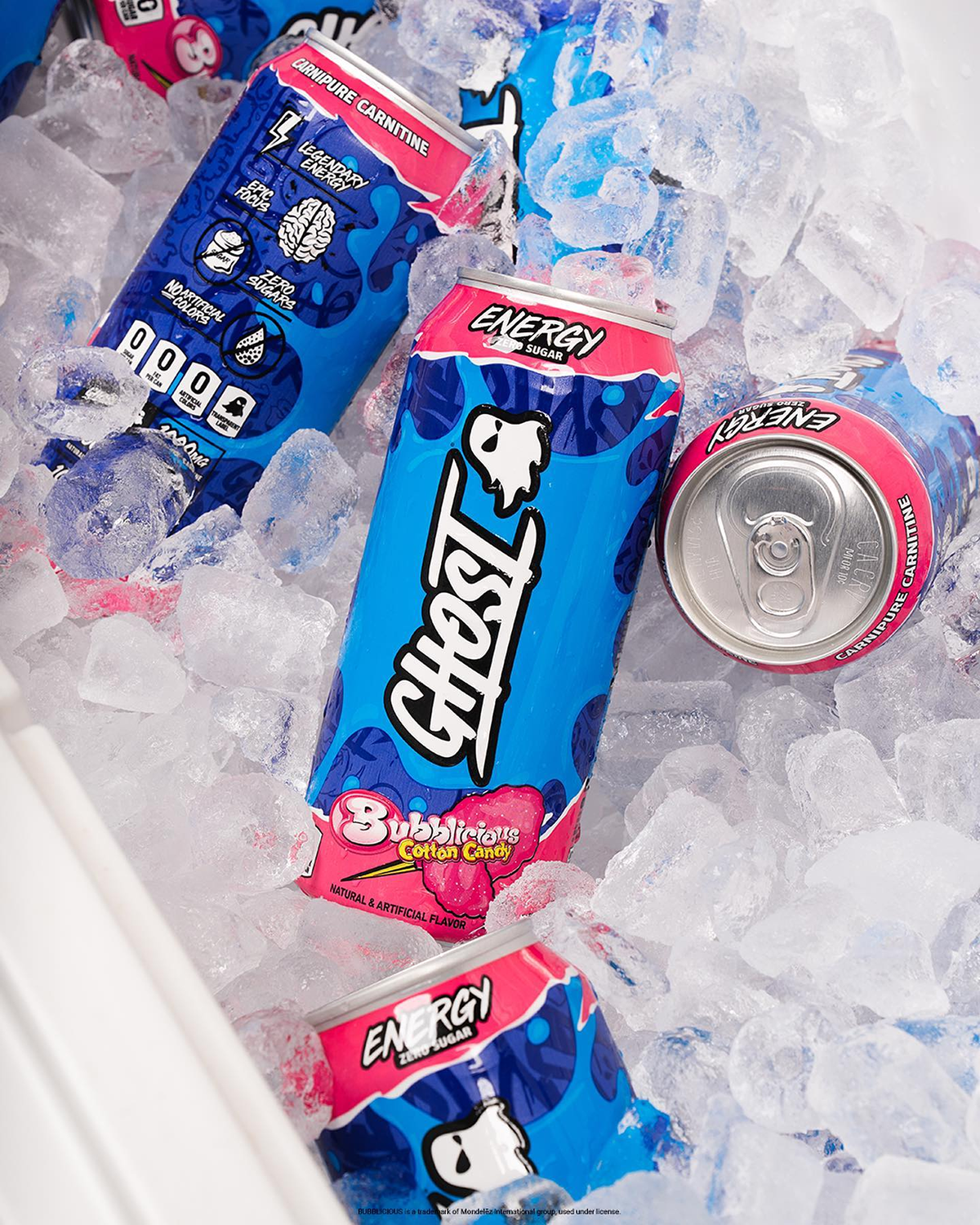
Clear films, dark containers and layered graphics can weaken color or allow the background to show through. Screen printing can lay down a denser deposit where the design needs stronger opacity and color intensity.
Create a stronger white foundation beneath color or text.
Maintain visibility when the package surface would otherwise mute the artwork.
Support small type, line work and precise accents with stronger coverage.
Use metallic, high-opacity or functional inks where the design calls for them.
Coordinate the raised effect with the artwork beneath it.
Screen-printed varnish or ink is most effective when it aligns cleanly with type, imagery, foil or embossing. That requires precise registration and a design that gives the raised layer a clear role.
Screen varnish can change how dimensional details read.
The same artwork can feel very different depending on whether the dimensional effect is blind, printed, sculpted or combined with another embellishment. Screen varnish adds another layer of surface contrast and definition.
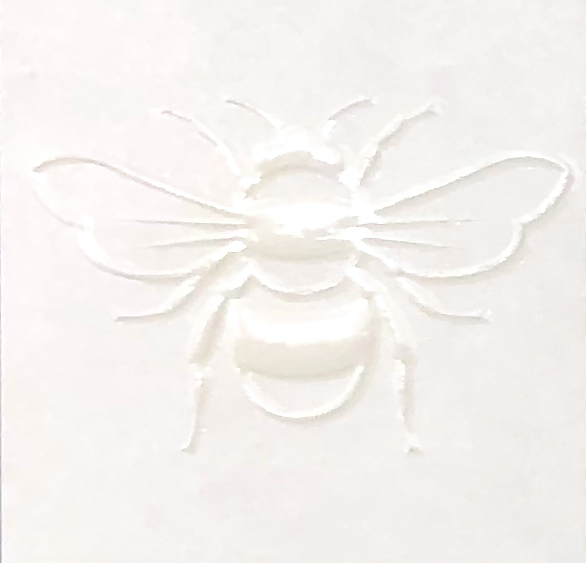
Regular blind emboss
Raised structure and clear screen varnish create dimension without printed color.
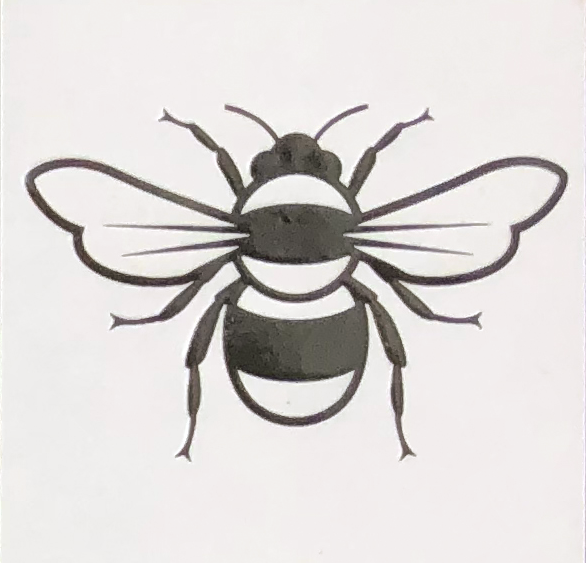
Printed emboss
Raised structure and clear screen varnish create dimension with printed color.
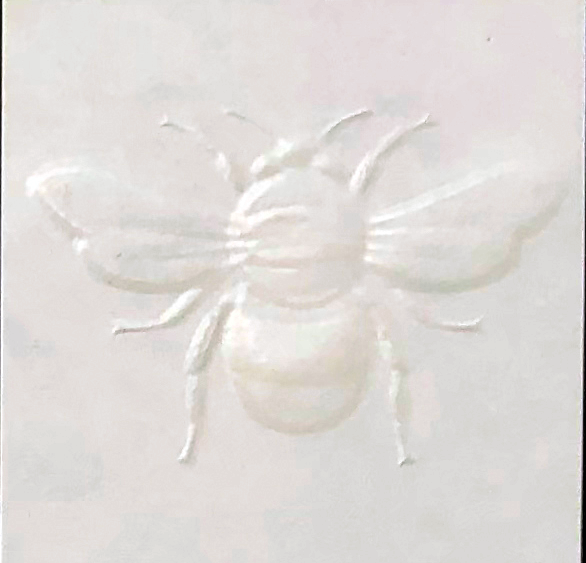
Sculpted blind emboss
Multi-level relief adds more shape and depth while the screen varnish emphasizes the surface.
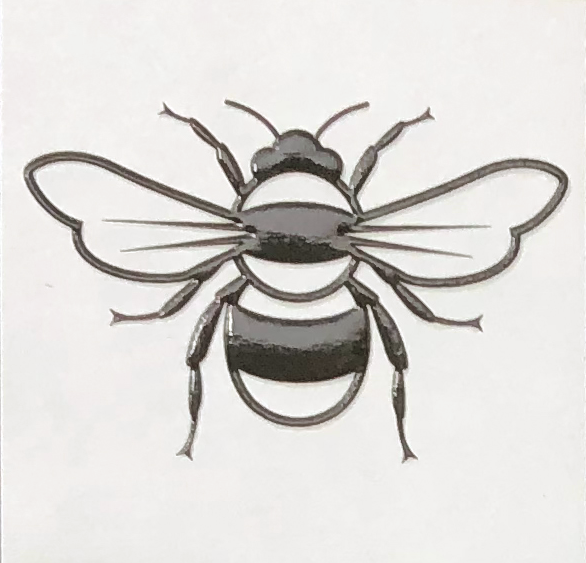
Printed emboss with high build
Printed artwork and high build screen varnish align with the embossed form for stronger definition.
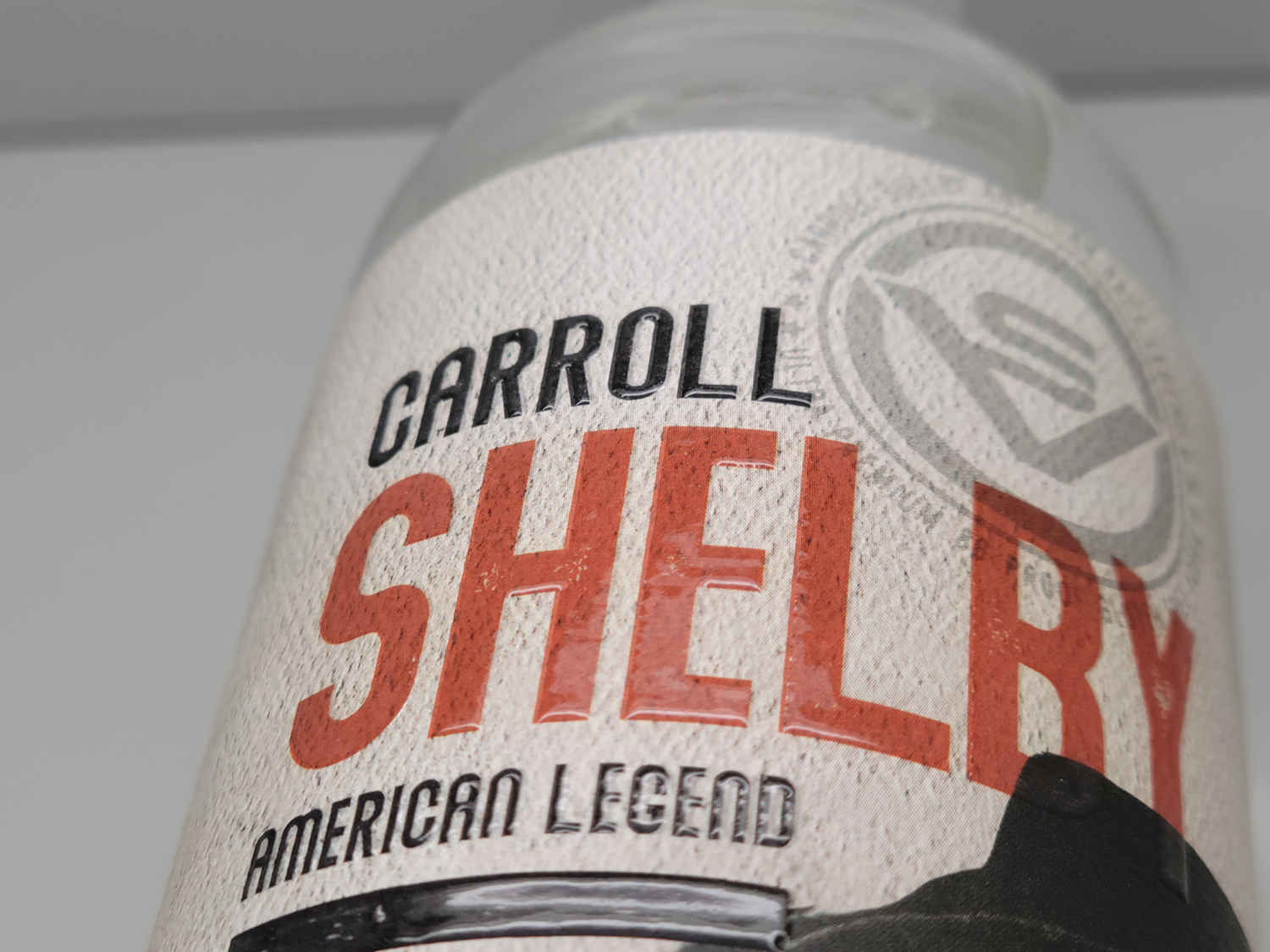
Use screen printing where opacity, texture or relief adds something specific.
Screen printing can stand alone or work with other finishing methods to create a more layered package experience. The strongest combinations give each effect a distinct job.
Use screen printing where the surface needs stronger visibility or interaction.
Screen-printed inks and varnishes support premium packaging, clear-label constructions, tactile graphics and specialized applications where heavier deposits or stronger opacity are part of the design strategy.
Plan the effect around the full label construction. Substrate, ink or varnish chemistry, deposit thickness, registration, package shape and production volume all influence feasibility and cost. RLG can help determine when screen printing adds the right kind of opacity, texture or relief to the program.
Give the right details more physical presence.
Bring your artwork, material questions and decoration goals to RLG. We’ll help shape a screen-printing strategy that adds opacity, texture or dimension with purpose.