Beverage Trends that Continue to Gain Momentum
The beverage and wine industries are evolving faster than ever, reshaped by new generations of consumers who are redefining what they want from the brands they bring into their lives.
Millennials and Gen Z, are driving a shift toward wellness, functionality, authenticity, and bold sensory experiences. These preferences don’t just influence what goes into the bottle; they also reshape how brands communicate through labels and packaging.
Let’s explore the latest trends for 2025-2026 in the beverage and wine industry, and also take an in depth view of how brands can create a more meaningful holistic experience with their customers through labeling.
Beverage & Wine Trends
The Rise of Lower-Alcohol Options
A significant generational shift is unfolding around alcohol consumption. Millennials led the initial move toward moderation, but Gen Z is accelerating it. This new wave of consumers is drinking less frequently and choosing lower ABV (alcohol by volume) options when they do. Their motivations are rooted in wellness, balance, and a desire to stay socially present without the negative effects of higher alcohol intake.
This social change has paved the way for an explosion of low-ABV wines, spritzers, sessional beers, and lighter ready-to-drink (RTD) cocktails. Rather than sacrificing flavor, brands are getting smarter about crafting lower-alcohol beverages that deliver complexity, aromatics, and satisfying mouthfeel.
Even traditional wine brands are expanding into “light” or “sessional” offerings to meet demand. The rise of the “sober-curious” lifestyle, where consumers flex between alcohol and alcohol-free options depending on the occasion has further propelled this category into the mainstream.
Adventurous Flavor Exploration
One of the biggest shifts driven by today’s consumers is a desire for more adventurous flavor experiences. When it comes to enjoying life, people are now more curious, globally influenced, and less loyal to traditional flavor profiles than their parents.
In the wine world, this has contributed to the popularity of orange wines, Pét-nat, chillable reds, or other new or rediscovered varieties offer something unexpected.
Production methods that were once obscure, like skin-contact whites or minimal-intervention fermentation now appeal to drinkers looking for authenticity and uniqueness.
In the broader beverage category, flavor innovation is booming. Exotic fruits, spice-forward blends, floral notes, herbaceous botanicals, and sweet-heat combinations continue to trend. Cross-category hybrids, such as coffee-infused beer, tea-based cocktails, or botanical sodas, are becoming common as consumers embrace novelty and exploration.
This openness to new sensory experiences has encouraged brands to push boundaries, experiment, and embrace bolder flavor identities.
Ready to Drink (RTD) Functional Beverages Continue Their Surge
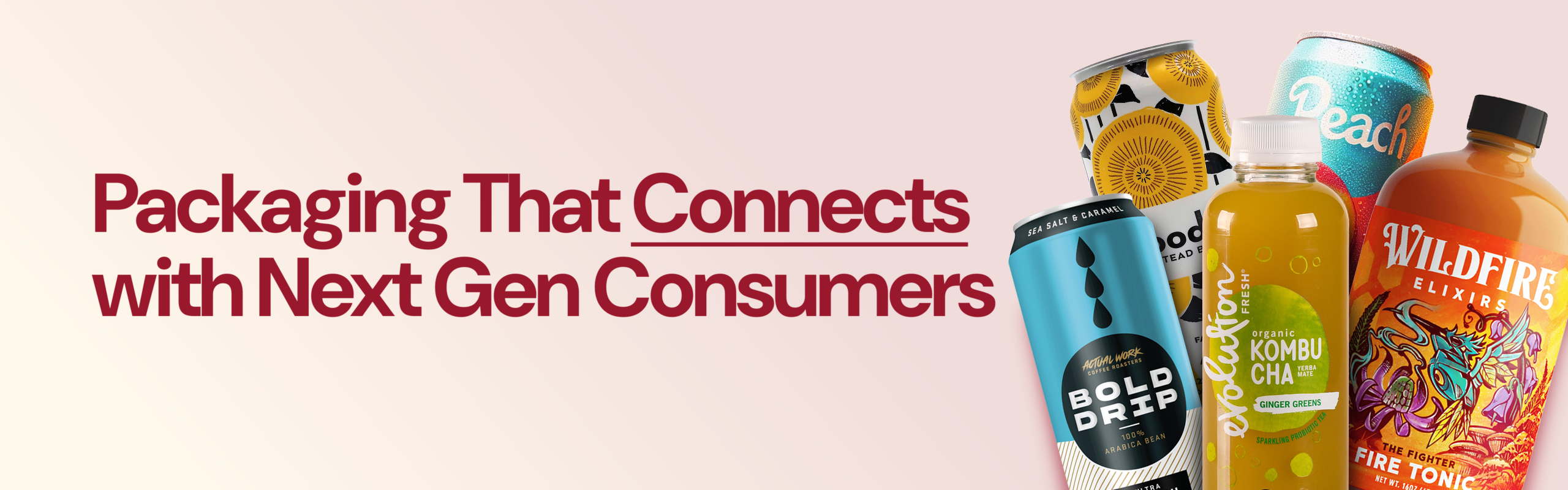
Alongside moderation comes another major driver: functionality. Today’s consumers want more from their beverages than hydration or refreshment. They seek drinks that support their lifestyle, mood, or health goals.
Several functional beverage categories are rapidly expanding, including:
Wellness Based
The broader functional beverage category continues to balloon, whether through electrolytes, vitamins, probiotics, antioxidants, or botanicals. These drinks aim to support immunity, energy, recovery, or gut health. For many consumers, beverages have become part of a daily wellness ritual, making this category one of the fastest-growing segments across retail.
Value is the fundamental motivator in functional beverages. Consumers increasingly expect beverages to do more, and they reward brands that articulate those benefits clearly.
Mushroom-Infused
Functional mushrooms such as reishi, chaga, and lion’s mane have moved from niche supplement aisles to mainstream drink formulations. These ingredients appeal to consumers seeking natural ways to support focus, stress relief, and cognitive performance. Mushroom-infused coffees, teas, elixirs, and sparkling tonics are becoming staples in the wellness space.
Protein & Performance
Protein beverages have evolved well beyond post-workout shakes. High-protein waters, ready-to-drink shakes, cold brew with protein, and hybrid “protein-plus” beverages are resonating with consumers who want clean, convenient nutrition.
Simplicity and digestibility matter now, as brands are emphasizing minimal ingredient lists and high bioavailability.
Today’s Consumer Experience Expectations with Wine & Beverage Labeling
As innovation accelerates, consumers are raising their standards for how brands communicate with them. Packaging is no longer a one-dimensional informational space. It has become a storytelling tool and a vital part of the overall product experience.
Buyers now look for key attributes in beverage and wine labels, including:
Clarity & Simplicity
Shoppers want to immediately understand what a product is, how it tastes, and what benefits it offers. Clear iconography, straightforward claims, and clean layouts help speed decision-making.
Authentic Storytelling
Whether it’s a wine’s origin story or the functional purpose behind an infused beverage, consumers look for narrative. They want to feel connected to the people, processes, and values behind the product.
Sustainability Signals
Eco-friendly labels, recycled substrates, lightweight bottles, and low-impact materials are increasingly important. Consumers now view sustainability as table stakes, not an optional perk.
Transparency & Honesty
Ingredient clarity, nutrition details, and disclosures around production methods build trust. “Clean labels” have become a major driver of purchasing behavior.
Premium Tactile Details
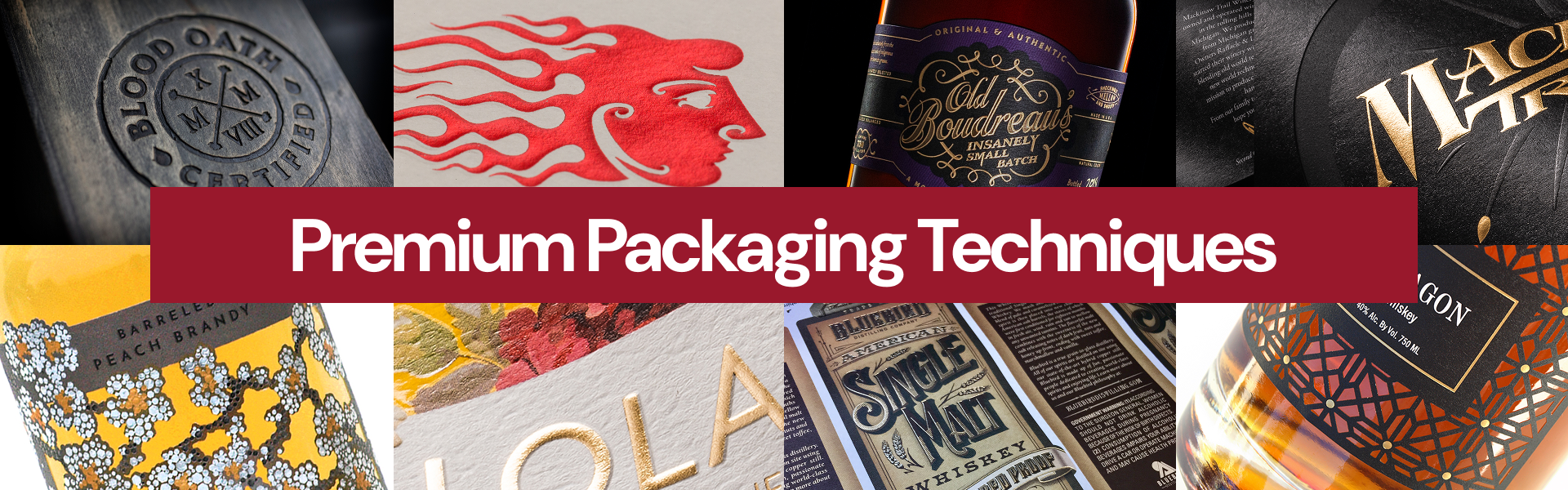
Texture, embossing, foils, and tactile varnishes elevate shelf presence and reinforce perceived quality, especially in wine and premium RTDs.
Interactivity & Digital Engagement
QR codes, NFC technology, artificial reality experiences, and linked storytelling help brands extend the consumer experience beyond the physical package.
Digital Shelf Performance
Labels also need to perform well online, standing out on Instacart, Drizly, or social feeds. That means bold contrast, readable typography, and visually distinct design systems.
Learn How RLG Can Become a Reliable, Long Term Partner in Your Success
As beverage and wine trends continue to evolve, brands are challenged to stay true to who they are while still adapting to a rapidly changing world.
Resource Label Group (RLG) offers the specialized expertise, advanced printing technology, and comprehensive material options needed to bring modern beverage and wine labeling concepts to life.
From premium tactile finishes and sustainable substrates to smart packaging solutions and high-impact digital printing, we empower brands to stand out on the shelf and connect meaningfully with today’s consumers.
If you’re ready to elevate your next launch or rebrand to a new level of success, RLG can help. Speak to one of our experts today to learn more.

Talk to our team!
Sources:
- IWSR Drinks Market Analysis – https://www.theiwsr.com/
- NielsenIQ Beverage Alcohol Insights – https://nielseniq.com/global/en/industries/consumer-packaged-goods/beverage-alcohol/
- Wine Market Council Research – https://winemarketcouncil.com/research/
- Beverage Information Group – https://beveragenet.net/
- Silicon Valley Bank Wine Industry Report – https://www.svb.com/trends-insights/reports/wine-report
- IWSR Wine Category Updates – https://www.theiwsr.com/category/wine/
- Distilled Spirits Council (DISCUS) – https://distilledspirits.org/spirit-data-by-category/
- IWSR RTD Strategic Study – https://www.theiwsr.com/category/rtd/
- Brewers Association Craft Beer Data – https://www.brewersassociation.org/statistics-and-data/
- IWSR No- and Low-Alcohol Report – https://www.theiwsr.com/category/no-and-low-alcohol/
- BeverageDaily No/Low Alcohol Market Analysis – https://www.beveragedaily.com/Article/2023/01/17/no-and-low-alcohol-beverages-market-analysis
- Mintel Functional Beverage Reports – https://www.mintel.com/food-and-drink-market-reports/
- Euromonitor Beverage Industry Reports – https://www.euromonitor.com/beverages
- Circana (IRI) Market Insights – https://www.circana.com/insights/
- Pew Research Center – https://www.pewresearch.org/
- Morning Consult Alcohol Insights – https://morningconsult.com/tag/alcohol/
- Comax Flavors Trend Reports – https://comaxflavors.com/flavor-trends/
- Flavorchem Trend Insights – https://www.flavorchem.com/category/trends/