The importance of RFID in retail
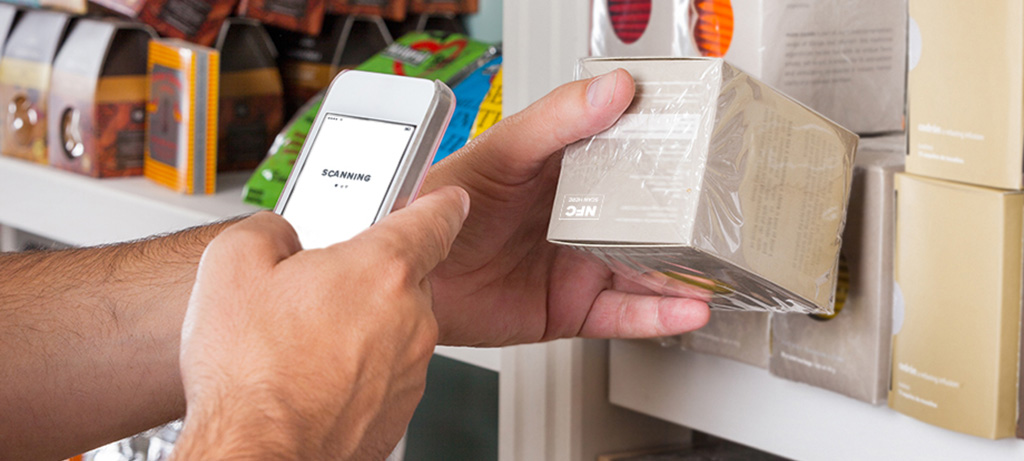
RFID is becoming a critical part of retail inventory management, especially for brands that want their products accepted by major retailers such as Walmart. RFID tags and smart labels use radio frequency identification to help retailers track products more accurately, improve stock visibility, reduce manual inventory work, and support faster replenishment.
For suppliers, the shift to RFID is not just a technical packaging update. It can affect retail compliance, product readiness, inventory accuracy, and how smoothly items move through the retail supply chain.
Read “Navigating RFID Solutions for Retail Products” to learn how to choose, get approved for, and implement the right RFID tags for your products.
Why do retailers want you to use RFID?
RFID technology employs radio waves to identify products, streamlining tracking and inventory. These systems involve a series of components, including RFID tag/smart label, inlay, a reader and software.
The primary motive behind big stores like Walmart advocating for RFID is to ensure appropriate stock levels and timely replenishment.
RFID also helps retailers improve productivity in several areas, including:
- Performing rapid inventory
- Improving inventory accuracy, minimizing the chance of human error
- Increasing products available for sale
- Eliminating nil sales
Integrating RFID enables retailers to amplify inventory accuracy, expedite inventory processes and augment the product available for sale. The real question is: Why would retailers not want you to use RFID?
Download the RFID whitepaper
Resource Label Group’s smart product labels are embedded with technology used for tagging and tracking your products for inventory and security. Read “Navigating RFID Solutions for Retail Products” to find out more about how Resource Label Group’s RFIDs will drive efficiency, provide differentiation and help your retail brand operate smarter.