
Ready to spec your marinade and cooking sauce labels?
Tell us your format, volume, and compliance requirements. We’ll handle the rest.

Glass jars, squeeze bottles, and flexible pouches each face oil, citrus acid, and heat-adjacent storage conditions that degrade standard label adhesives through plasticizer migration, citric acid contact, and ambient temperature softening in kitchen environments. Resource Label Group prints FDA-compliant marinade and cooking sauce labels with oil and citric acid-resistant adhesives for every format.
FDA serving size requirements differ between marinades and cooking sauces – marinades use a 2-tablespoon RACC while cooking sauces carry variable serving sizes depending on subcategory classification as gravy, pasta sauce, or simmer sauce under 21 CFR Part 101.12. Citrus-based marinades attack label adhesives through citric acid contact – a distinct chemical mechanism from vinegar acetic acid degradation that requires citric acid-specific adhesive formulations. Heat-adjacent kitchen storage exposes labels to ambient temperature elevation that softens standard adhesive bond. Resource Label Group engineers labels to perform through all three conditions simultaneously.

FDA compliance with category-specific serving size distinctions for marinades and cooking sauces

Oil and citric acid-resistant adhesives for marinade and cooking sauce formulations

Heat-adjacent kitchen storage resistant materials for countertop and cabinet environments

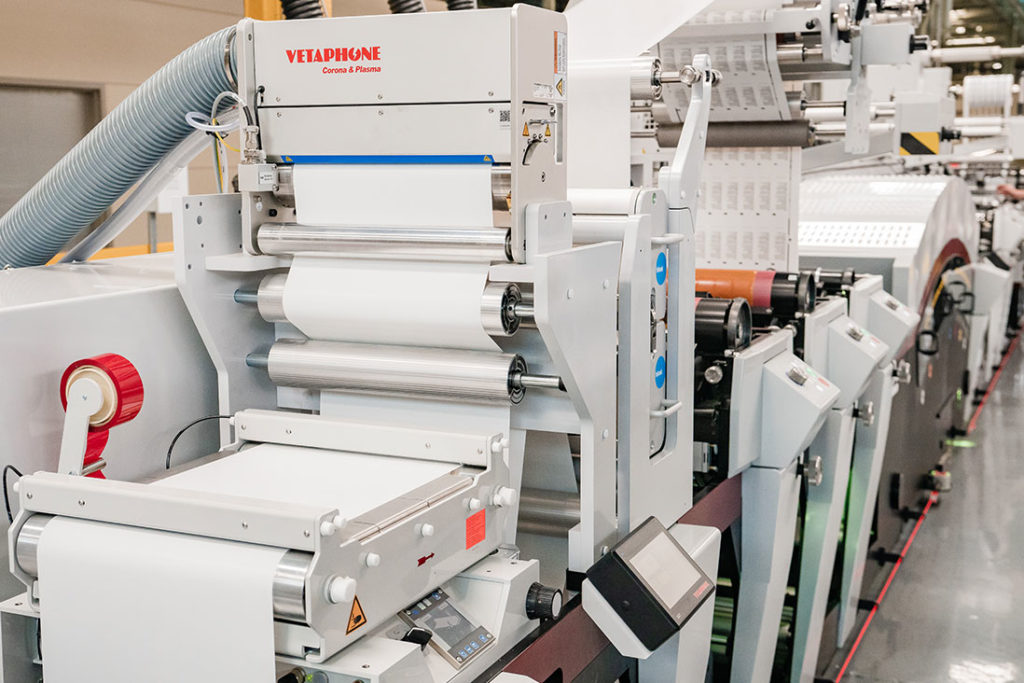
Ethnic cuisine cooking sauce brands use label design as an authenticity signal – illustration styles, typography, and color palettes that communicate cultural origin before the buyer reads the ingredient list are primary purchase drivers for Indian curry, Thai cooking sauce, and Mexican mole sauce brands at retail. Digital printing serves artisan and specialty sauce brands launching new cuisine-specific SKUs without minimum order requirements. Flexible pouch material selection for simmer sauce formats requires heat-seal and tear property specifications matched to the filling and consumer use requirements. Flexographic printing handles high-volume commercial production. Resource Label Group coordinates with filling operations so label delivery aligns with your production schedule.
Glass jar and bottle labels for marinade and cooking sauce brands require oil and citric acid-resistant adhesives that maintain bond through product contact during filling and heat-adjacent kitchen cabinet and countertop storage. Squeeze bottle labels face oil contact from marinade formulations during consumer dispensing – oil-resistant adhesives maintain bond through repeated product contact on the exterior bottle surface. Flexible pouch labels for simmer sauce formats require flexible packaging materials with heat-seal integrity during filling and clean tear properties during consumer opening without delaminating the label graphic layer. Ethnic cuisine cooking sauce brands use premium illustration substrates for authenticity positioning. Our capabilities for marinade and cooking sauce labels also include:
Tell us your format, volume, and compliance requirements. We’ll handle the rest.

When you work with the Resource Label Group family, you’re gaining an efficient edge over the competition. With locations throughout the U.S. and Canada, we provide the services, solutions and reach you expect from a national company, with the dedication and touch of a local partner.