A comprehensive look at shrink sleeve label costs: Price, brand equity and total package value
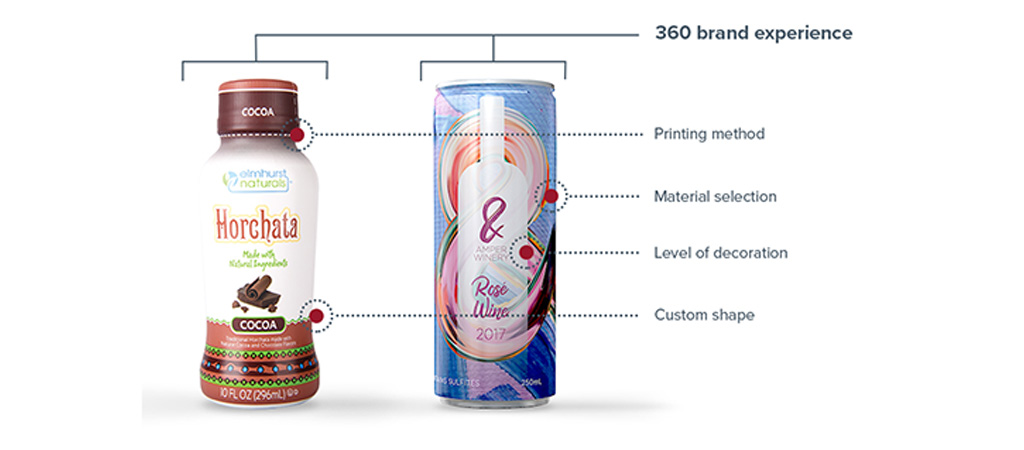
Shrink sleeve costs require value-based analysis beyond simple price comparisons. Sleeves average 25% more expensive than pressure-sensitive labels but offer nearly 150% more branding real estate. That extra space supports storytelling and regulatory communication. Integrated colorants and tamper-evident elements also contribute to total packaging system value.
Multiple factors affect per-label shrink sleeve pricing. Material selection plays a significant role. PVC offers cost-effective performance with 60% shrinkage, while PETG provides environmental friendliness, greater clarity, and 78% shrinkage at higher costs. Container shape complexity matters as well.
Common containers like 12-ounce bottles require less engineering than custom trigger bottles. Printing method selection also impacts pricing. Flexographic printing offers cost-effectiveness for large runs despite plate expenses, while digital provides better economics for short runs and personalization capabilities. Decoration level adds another variable. Cold foil stamping, custom finishes, and UV metallic inks increase costs but differentiate products on shelves.
Beyond aesthetics, shrink sleeves build brand equity. 70% of brand decisions occur in-store, and only 7% of new product launches utilize sleeves, creating a clear differentiation opportunity. AC Nielsen research shows shrink sleeve packaging triples purchase desire among early adopters and women, with buyers willing to pay premium prices.
Total package value analysis reveals additional benefits. Sleeves contribute packaging system strength, enabling up to 42% container weight reduction. They save money by incorporating lower-cost tamper-evident packaging versus drop-band closures. Inside-printed graphics offer enhanced abrasion and chemical resistance, providing superior appearance retention throughout product lifecycles across beverage, personal care, and nutraceutical applications.
Both shrink sleeves and pressure-sensitive labels are great products — but depending on the goal of the rebrand and your go-to-market strategy, the value of product differentiation can far outweigh the incremental cost of the sleeve itself.
In this article, we explore not only the factors affecting the price of shrink sleeve labels, but also how shrink sleeves can build brand equity and contribute value to your product packaging system.
Factors affecting the cost of your product’s shrink sleeve labels
It’s impossible to give an accurate price estimate for shrink sleeves without seeing your product’s container and understanding your brand vision. But there are certain factors that will push the per-label price of your order up or down, such as:
Material selection: PETG vs. PVC
The two most common shrink sleeve materials are PETG and PVC. While PVC is the cheaper option and performs well during product use, it has much lower shrinkage (~60%), making it ill-equipped to shrink around some highly contoured containers. Despite the higher cost, the market for PETG is growing faster than for PVC because it’s thought of as more environmentally friendly, and offers greater clarity and shrinkage (~78%).
Shape of your container: Common vs. custom
Shrink sleeves can be used on almost every container shape, but it’s easier to engineer sleeves for common containers. Depending on how mainstream (e.g., 12-oz. bottles or cans) or unique your container is (e.g., completely custom trigger bottles), more label engineering may be required to make a sleeve work for your container, potentially increasing the final cost.
Printing method: Digital vs. flexographic
For large runs, flexographic shrink sleeve labels are the most cost-effective printing option, but the initial expense of creating the plates makes flexo cost-prohibitive for smaller runs. Digital is the better choice for short runs, or for incorporating personalization into each label.
Level of decoration: Simple vs. complex
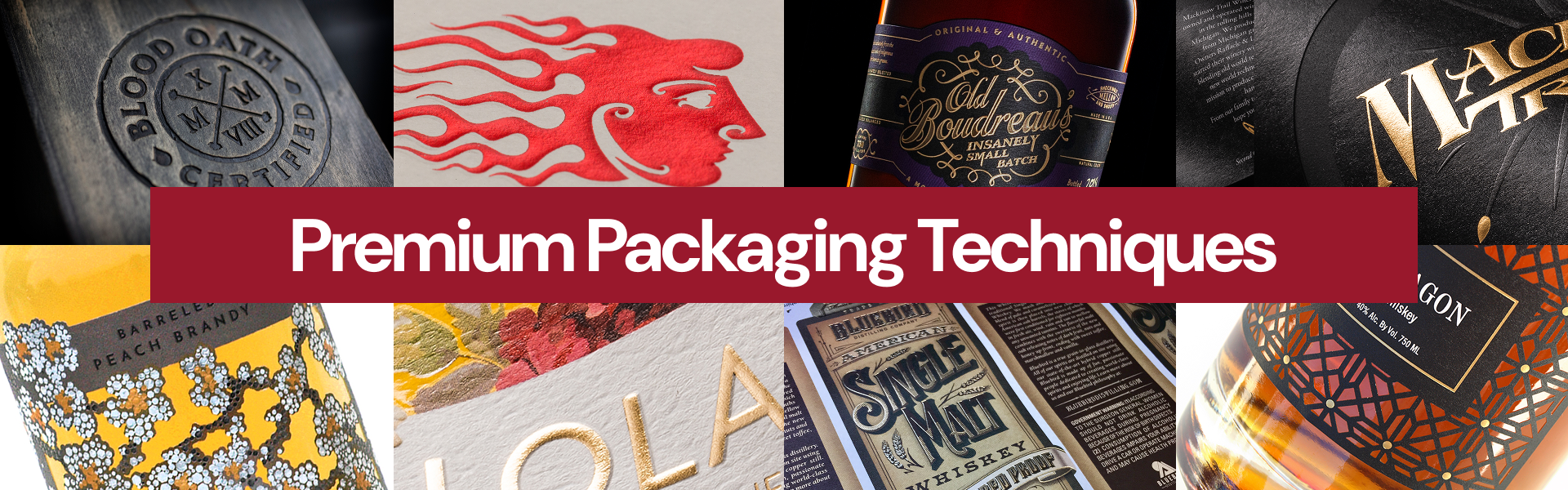
Complex branding and decoration will also increase the per-label costs of your shrink sleeves. But elements such as cold foil stamping, custom finishes and UV metallic inks also help to differentiate your product on the shelf — making the cost increase well worth it in many cases.
The value of shrink sleeve labels in building brand equity
Brands don’t choose to transition to shrink sleeves because they’re the cheapest labeling method — they choose them because they’re valuable in differentiating their product and establishing connections with consumers.
70% of brand decisions are made in the store. To engage in-store shoppers and influence their decisions, your brand’s product has to stand out among the competition. And only 7% of new product launches utilize shrink sleeves, making sleeves the perfect label option for a brand looking to differentiate their product.
Shrink sleeves drive sales. In fact, shrink sleeve packaging triples the desire to purchase among early adopters and women, according to a study by AC Nielsen. The study even revealed that buyers were willing to pay more for products with shrink sleeves.
Unsurprisingly, more and more companies are incorporating shrink sleeves into rebranding strategies to boost sales, revitalize their brand and engage with their consumers.
Looking at shrink sleeve labels cost in terms of total package value
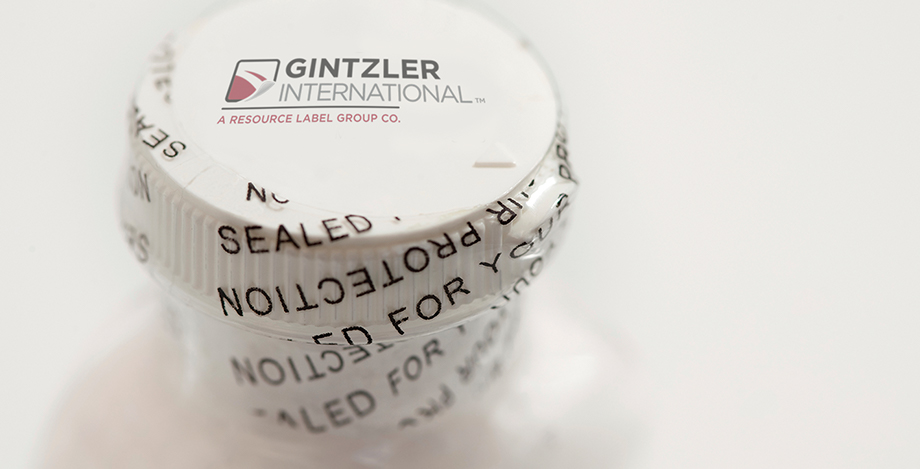
To see a complete picture of the value of shrink sleeves, you have to look beyond branding — sleeves also enhance the functionality of your entire product packaging system.
-
Contributes to the strength of the entire packaging system
Shrink sleeves can contribute to the strength and rigidity of your product’s packaging system, allowing you to reduce the wall thickness of the bottle or container. Bottle light weighting can contribute to as much as 42% reduction in container weight, resulting in significant cost savings.
-
Saves money on tamper-evident packaging elements
Extending the shrink sleeve over the bottle cap (as with lip balms) or adding a shrink sleeve around only the cap (as with some nutraceutical bottles) allows you to incorporate tamper evidence into your packaging at a lower cost than other options such as drop-band closures.
-
Offers enhanced abrasion and product resistance
Because all graphics are printed on the inside of the sleeve, shrink sleeve labels are inherently more resistant to wear, humidity and chemicals — which contributes to enhanced appearance retention throughout the product lifecycle.
Solving common shrink sleeve problems
For 360-branding, it’s tough to top a shrink sleeve. But these are also some of the most complicated products in the packaging and labeling industry, and they require an expert touch. See how Resource Label Group gets it right every time.
The key to getting the highest value shrink sleeve labels
If you want to make a splash with your rebrand, shrink sleeves are a good, high-value label option to consider. But to get the most out of the transition to shrink sleeves, you need to partner with a label converter that has proven experience in shrink sleeves. They’ll work with you from design to pre-press to delivery to ensure your product labels match your brand vision and meet the performance requirements of your industry.
At Resource Label Group, we pride ourselves on delivering quality labels —and service— to each of our clients. With a dedicated customer service representative and a team of skilled press operators, we have the customer dedication and proven experience necessary to deliver high-quality shrink sleeves for any product in any industry.
Request a free consultation today to discuss your product labeling needs. We’ll help you determine if shrink sleeves are right for your rebranding strategy — and walk you through our vast portfolio of labeling capabilities to find the most cost-effective way to make your products stand out on the shelf.