Surface and substrate
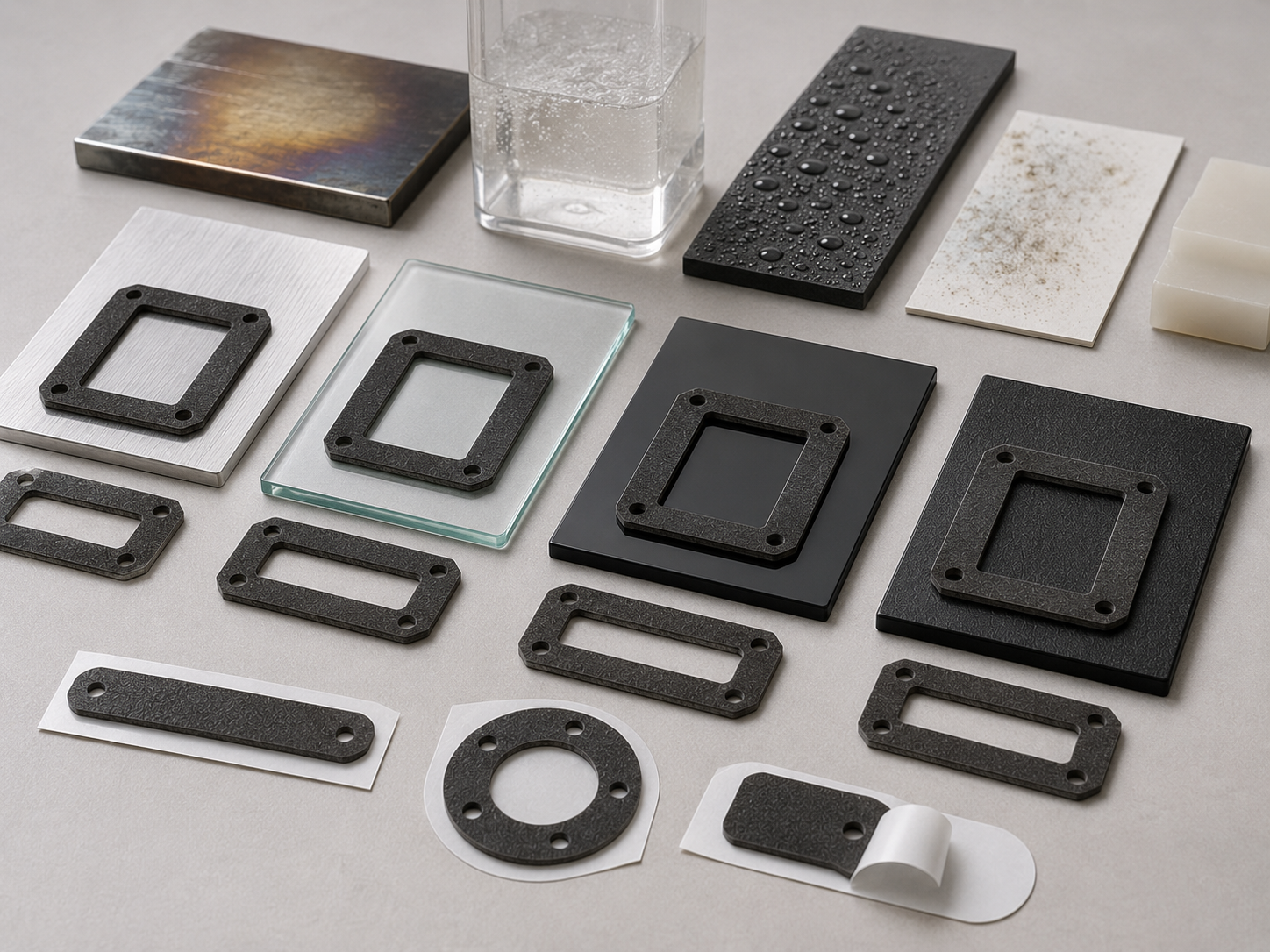
Metal, glass, coated surfaces and engineered plastics can present very different wet-out and adhesion conditions.
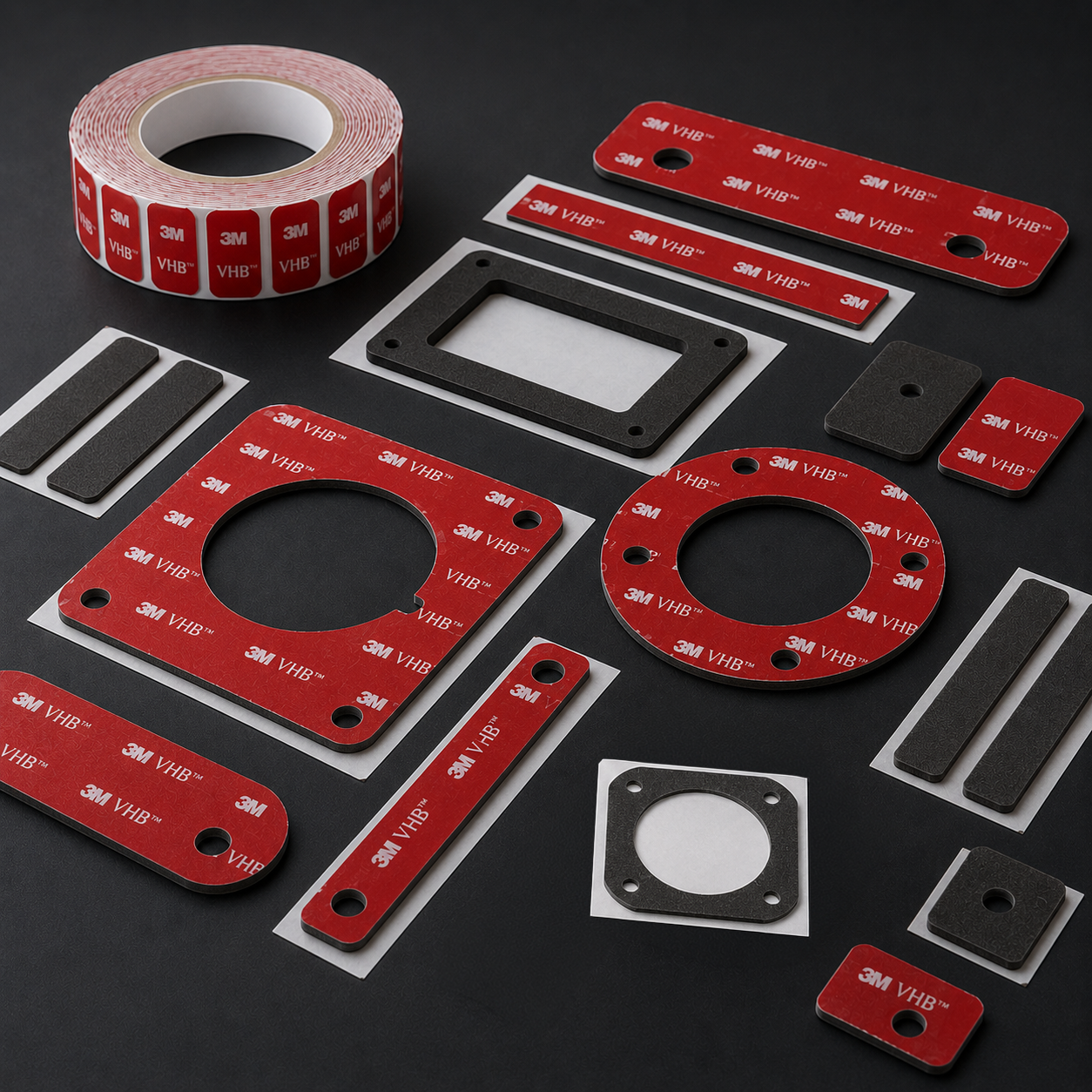
High-Bond Adhesive Components
RLG Engineered converts high-bond adhesive materials into precise, application-ready parts engineered around the surface, load, environment and assembly process.
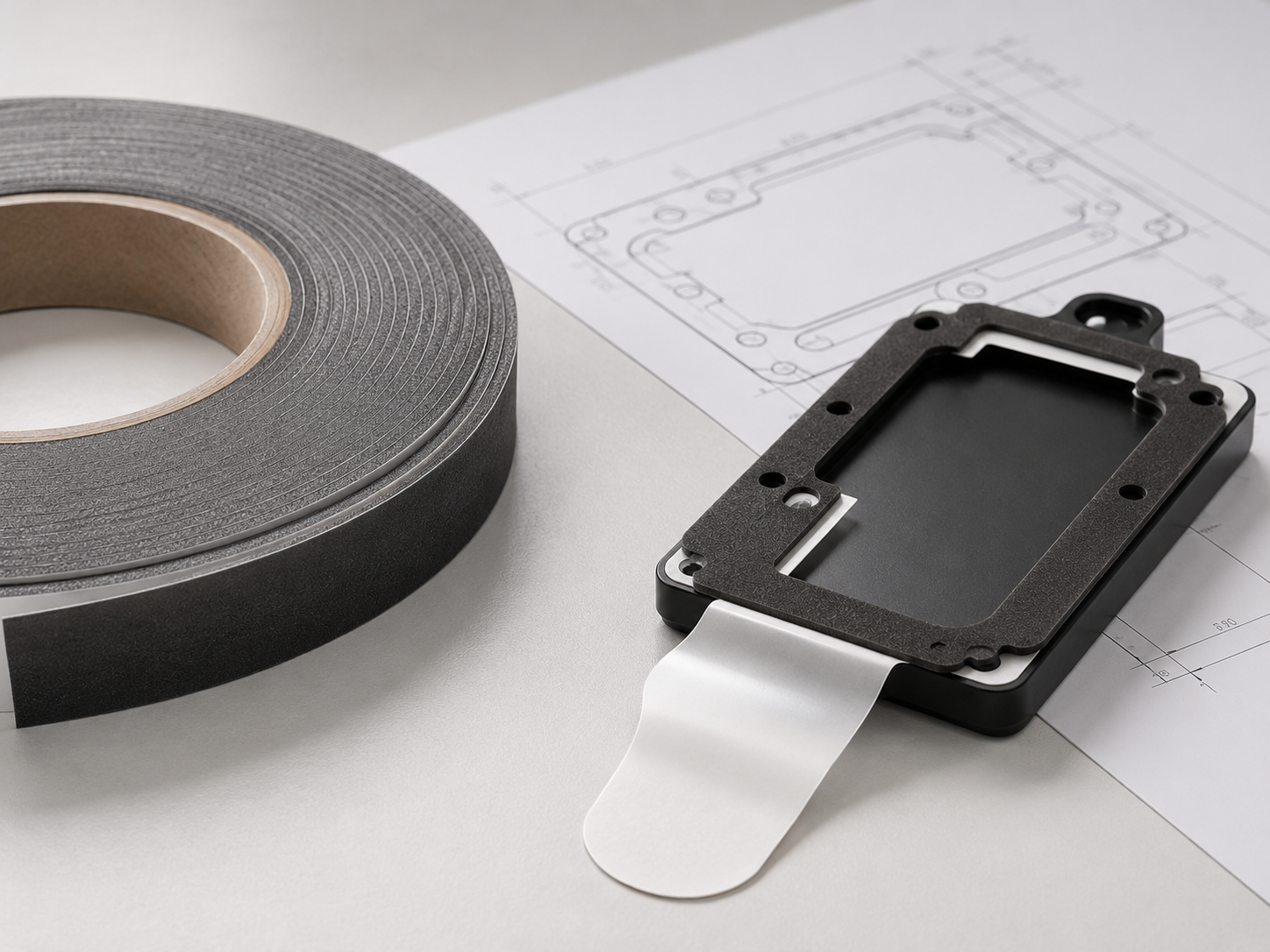
More than a roll of tape
3M™ VHB™ tapes are high-strength, double-sided acrylic foam tapes used for durable bonding and assembly. RLG Engineered converts selected tape constructions into custom shapes, profiles and presentation formats designed to fit the product and work on the production line.
The result can replace a generic strip with a repeatable, ready-to-apply part: cut to the required geometry, supplied with the right liner strategy and presented in a format that supports handling, placement and assembly efficiency.
Shapes, openings, radii and profiles built around the mating surfaces and available space.
Rolls, sheets, individual parts, tabs and liners designed around practical operator use.
Material selection informed by substrates, surface energy, load, exposure and expected service life.
Prototype-to-production support with controlled converting, inspection and documented requirements.
Application engineering
A successful bonding component depends on how the full system behaves: the substrates, surface condition, part geometry, forces, environment and application process.
Metal, glass, coated surfaces and engineered plastics can present very different wet-out and adhesion conditions.
Shear, peel, tensile forces, vibration and thermal movement influence tape family, thickness and bonded area.
Temperature, moisture, chemicals, UV exposure, cleaning and outdoor use can affect construction requirements.
Surface preparation, application pressure, dwell time, alignment, liner removal and operator access all matter.
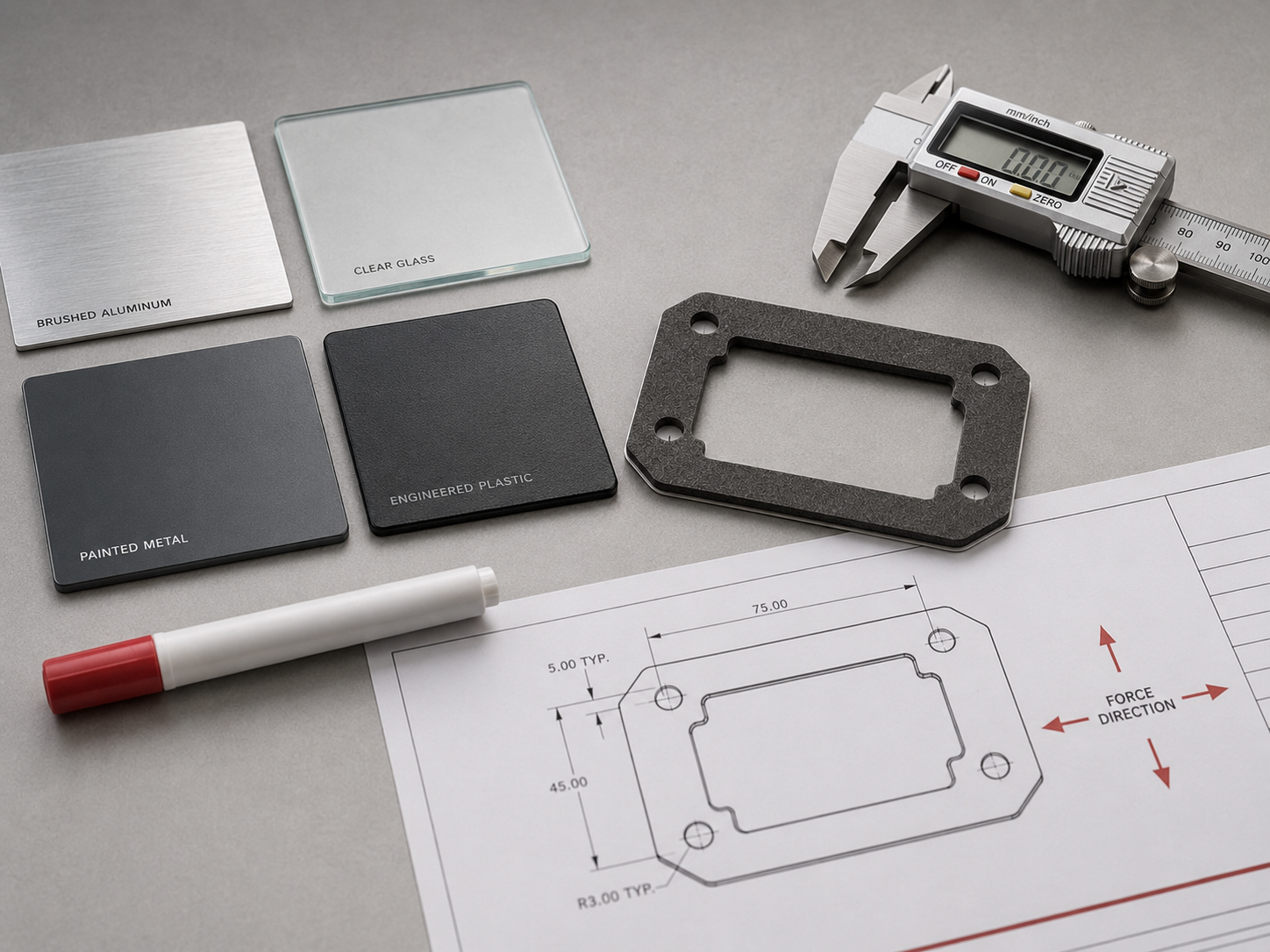
Start with the application
Surface energy can influence how effectively an adhesive wets out a substrate. Texture, coatings, contamination, cleaning methods and additives in plastics can also change performance. The same tape construction may behave differently on aluminum, glass, painted metal, ABS, polypropylene or another engineered surface.
RLG Engineered helps organize these requirements before the part is converted, then supports sampling and qualification so the final component is built around the intended assembly rather than selected by thickness alone.
Component formats
A custom VHB component can be designed as an individual part or as part of a repeatable roll- or sheet-fed system.
Repeated components supplied on a liner for efficient dispensing, counting and production-line use.
Parts arranged on sheets for kits, cells, low-volume assembly or manual placement.
Loose or packaged parts for direct installation, service applications or assembly kits.
Added handling features that help operators locate, peel and apply the part more efficiently.
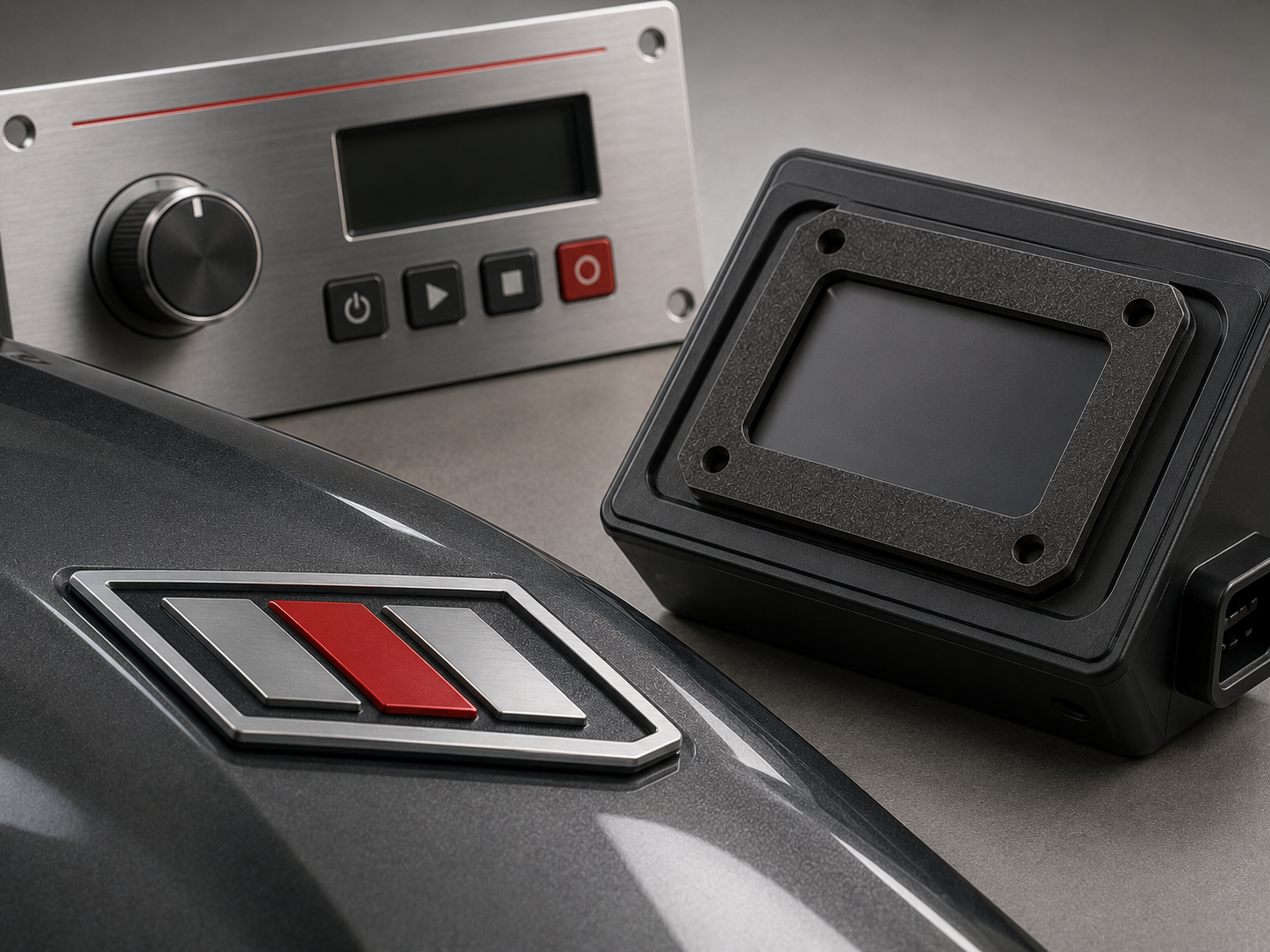
Custom geometries that follow housings, lenses, badges, panels, displays or other mating surfaces.
VHB combined with films, foams, liners, protective layers or other materials when the component requires more than bonding alone.
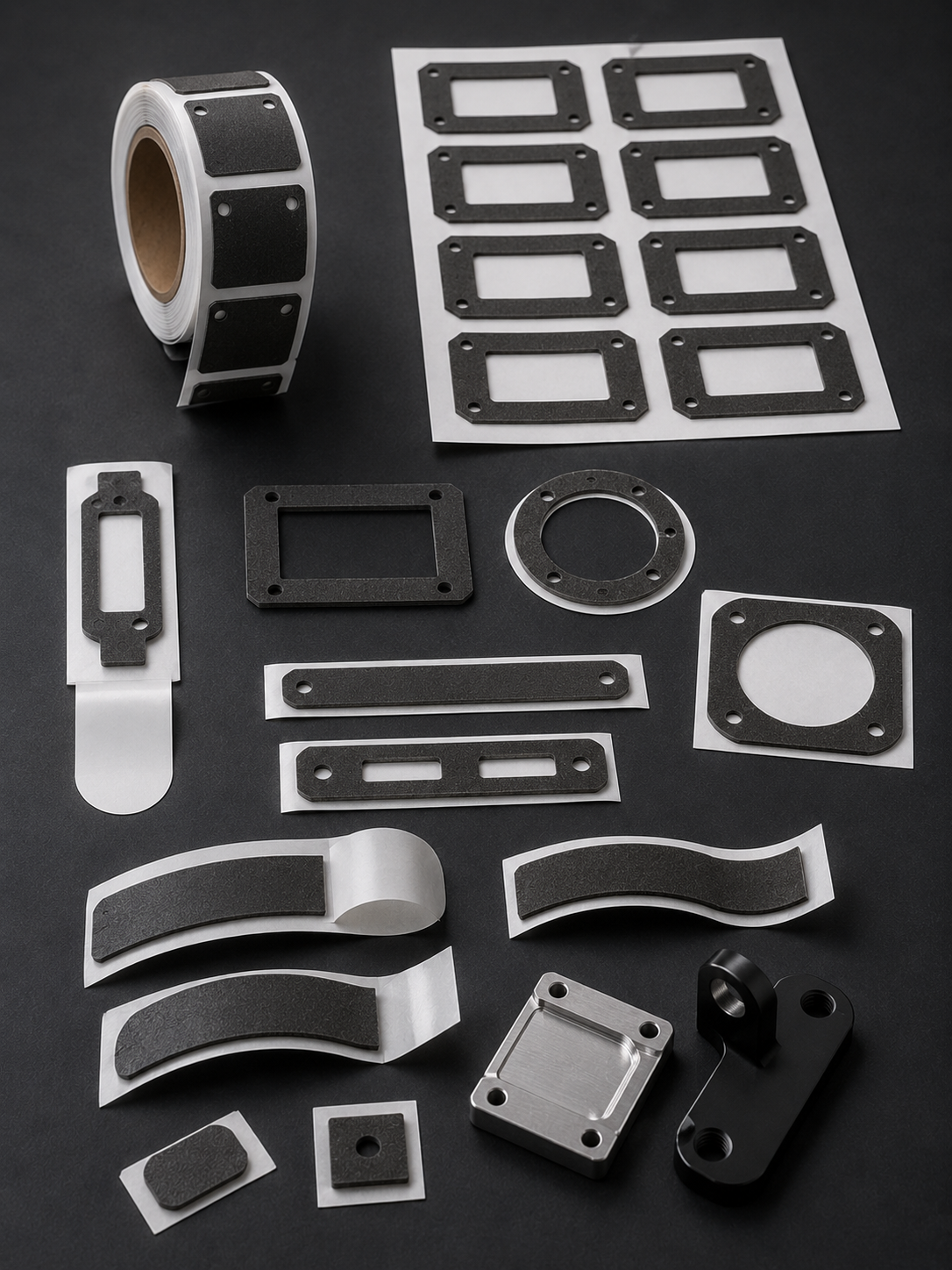
When operators must measure, cut, position and peel generic tape during assembly, variation and handling time increase. A converted component can place the required adhesive only where it belongs and provide a repeatable method for removing the liner and locating the part.
Presentation is therefore part of the component design. Pitch, orientation, liner width, tab position, part spacing, roll direction and packaging should all reflect how the part will be used.
Material and adhesive selection
3M™ VHB™ tapes are available in different acrylic foam constructions, thicknesses, colors, adhesive chemistries and liner configurations. The appropriate choice depends on the substrates and the functional demands of the assembly.
RLG Engineered can help evaluate the material system alongside the geometry and production method, including whether the part needs conformability, gap filling, thin-bond performance, temperature resistance, moisture resistance or compatibility with a more difficult surface.
High-, medium- and low-surface-energy materials may require different adhesive approaches and preparation.
Foam thickness can affect gap filling, stress distribution, profile and fit between bonded surfaces.
Temperature range, moisture, solvents, chemicals and outdoor exposure should be defined early.
The liner must protect the adhesive while supporting die cutting, storage, dispensing and clean removal.
Precision converting
The converting path should support the material, tolerance, part geometry, volume and presentation requirements of the application.
Efficient repeat production for roll-fed components, kiss cuts, nested parts and consistent liner presentation.
Flexible converting for larger parts, thicker constructions, prototypes and selected production programs.
Tool-free precision for development, complex geometries and applications where the material and edge requirements are compatible.
Combine adhesive, foam, film, liner or protective layers into a controlled multi-material construction.
Prepare web width, roll size, sheet layout and material presentation around the downstream process.
Organize components for assembly cells, service kits, matched sets or practical line-side delivery.
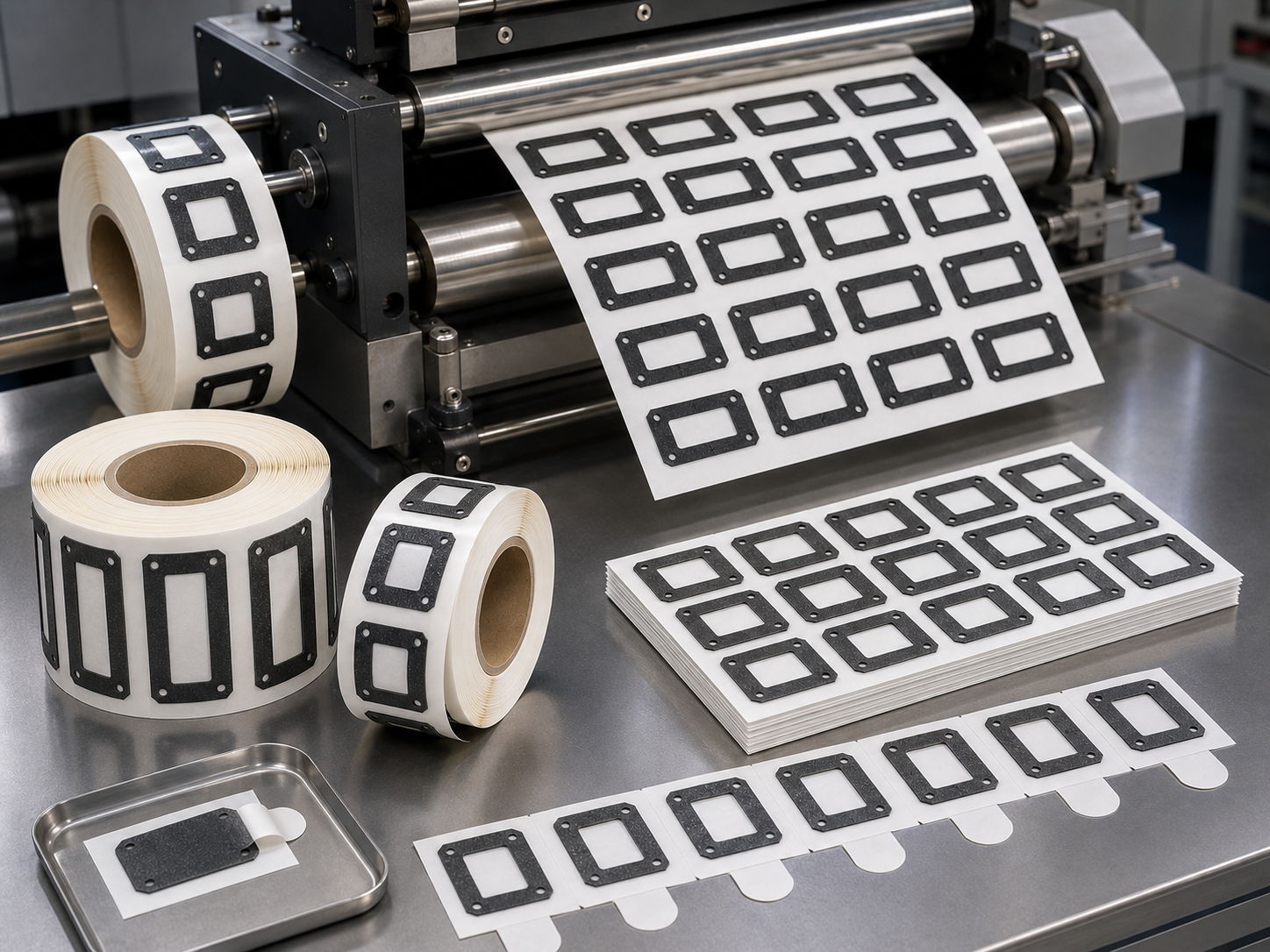
A bonding component may need to align with a housing, opening, graphic overlay, badge or another converted layer. Cut accuracy, liner behavior, adhesive exposure and part release all influence whether the component can be handled and installed as intended.
Early review of drawings, CAD, physical samples and assembly requirements helps identify the most practical converting approach before repeat tooling and production specifications are finalized.
Application range
Custom die-cut VHB tape components can support visible and hidden assembly requirements where reliable bonding, clean presentation and repeatable placement matter.
Badges, emblems, trim, interior panels, electronics and vibration-sensitive assemblies.
Screens, lenses, frames, batteries, housings, sensors and internal mounting components.
Panels, controls, trim, nameplates, housings and components exposed to heat, moisture or vibration.
Mounting components, covers, guides, guards, panels and assemblies that need durable hidden fastening.
Letters, emblems, decorative panels, architectural elements and dimensional display components.
Assembly-ready adhesive parts engineered around product geometry, presentation and manufacturing needs.
Prototype through production
The strongest outcome starts with complete application information and validates the component before repeat production.
Document substrates, geometry, load, exposure, service life and assembly conditions.
Evaluate tape family, thickness, liner and any additional layers or handling features.
Establish cut geometry, tolerances, presentation, tooling and production method.
Review form, fit, handling and functional performance in the intended assembly.
Control material, converting, inspection, packaging and supply requirements.
Helpful project inputs: drawings or CAD, physical samples, substrate details, bonded area, expected loads, environmental exposure, surface-preparation process, target tolerance, annual volume and preferred part presentation.

Part of RLG Engineered
Bonding components often connect to durable identification, overlays, membrane switches, compliance labels, precision die-cut materials and assembly kits. RLG Engineered helps coordinate these requirements around fit, function and repeatable production.
VHB tape component FAQs
The right component is defined by what it must bond, how it will be applied and what it must withstand after assembly.
It is a high-bond adhesive tape converted into a specific shape, size and presentation format for a product or assembly. The component may be supplied on a roll, sheet or as an individual part, with liners or tabs designed for handling and application.
A converted component can improve placement consistency, reduce measuring and trimming, control the bonded area and make liner removal more practical. It can also support faster, more repeatable assembly.
Many VHB constructions can bond to selected plastics, but plastic chemistry, surface energy, additives, texture and preparation all matter. The specific substrates and cleaning or priming process should be evaluated before production.
Useful inputs include both substrates, surface finishes, bonded area, load direction, temperature range, moisture or chemical exposure, expected service life, application pressure, surface preparation and any dimensional or appearance constraints.
Yes. Depending on the application and construction, components can be designed with extended liners, pull tabs, split liners or other presentation features that help operators peel, locate and apply the part.
Yes. Multi-layer components may combine VHB tape with films, foams, protective layers, liners or other converted materials. The stack should be designed around the part function and the assembly process.
RLG Engineered can support development samples and prototype quantities, then help move an approved component into repeat production with defined material, tolerance, inspection and packaging requirements.
No. The correct system depends on the application. RLG Engineered can also evaluate other double-coated tapes, transfer adhesives, foam tapes and specialty bonding materials when a different construction is better suited to the substrates, profile or performance requirements.
Start with the application
Share your drawing, substrates, load requirements, environmental conditions and production needs. RLG Engineered will help define a practical path from material selection through converted component production.