Reveal something
Expose hidden graphics, messages, icons or product cues when the package changes temperature, enters sunlight or is touched.
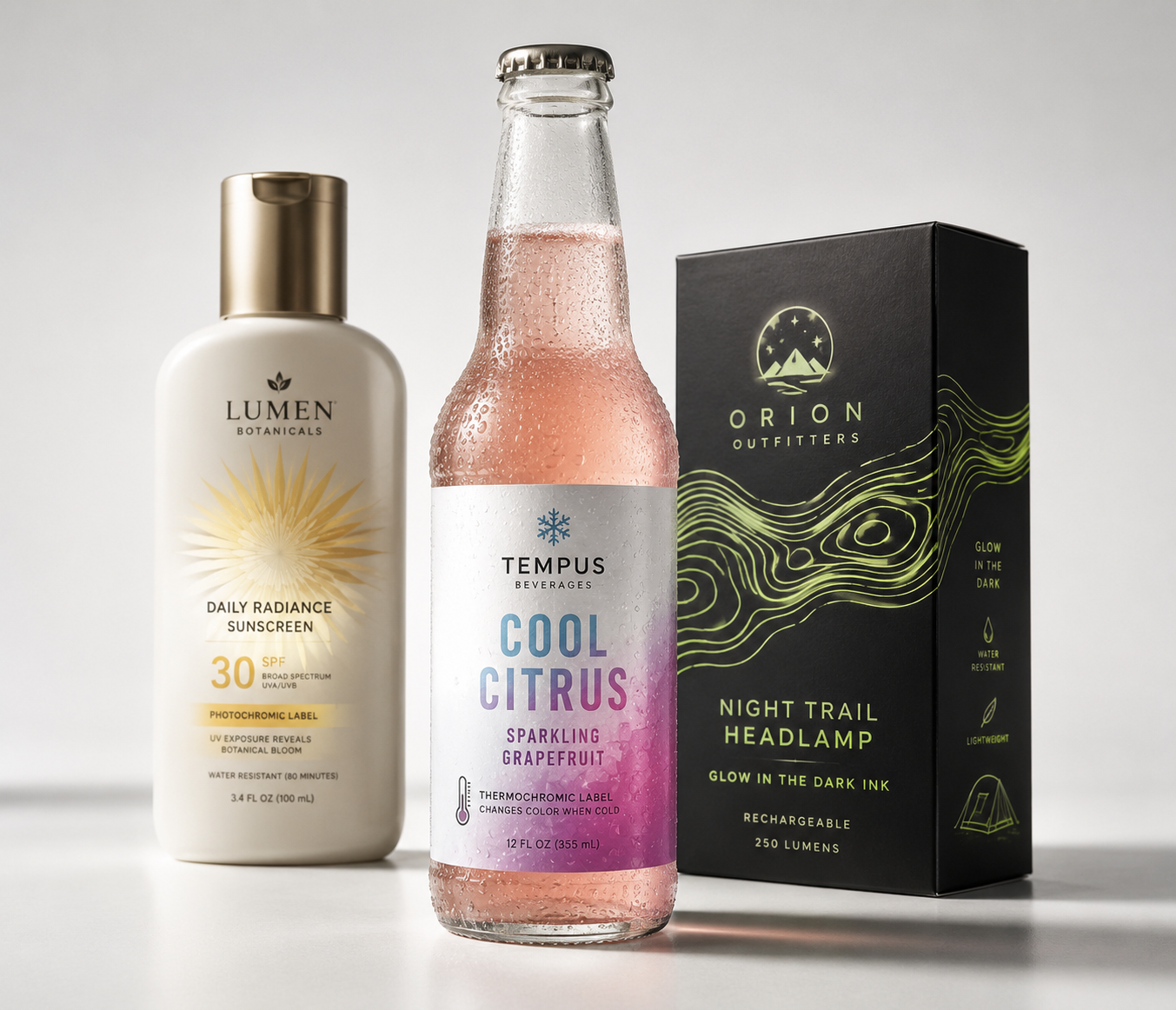
Temperature, light, touch and environmental conditions can become part of the package experience. RLG helps brands develop specialty ink effects that reveal color, activate graphics, expose hidden messages or communicate useful information through labels, shrink sleeves and other printed packaging components.
From consumer engagement and seasonal promotions to product indicators, authentication and brand protection, the right ink can turn a printed surface into an active part of the product experience. Here, interaction happens through the printed surface itself as ink responds to a defined condition.
The strongest concepts begin with the brand, the product and the reaction you want to create. The trigger comes next.
Expose hidden graphics, messages, icons or product cues when the package changes temperature, enters sunlight or is touched.
Add surprise, play, ritual or interaction to launches, limited editions, seasonal campaigns and consumption occasions.
Show when a product is cold, warm, ready, exposed, processed or outside a desired range.
Add visible or covert features that can support authentication, tamper evidence or condition monitoring.
Different ink systems respond to different triggers. RLG helps match the effect to the package, product environment and desired consumer or functional outcome.
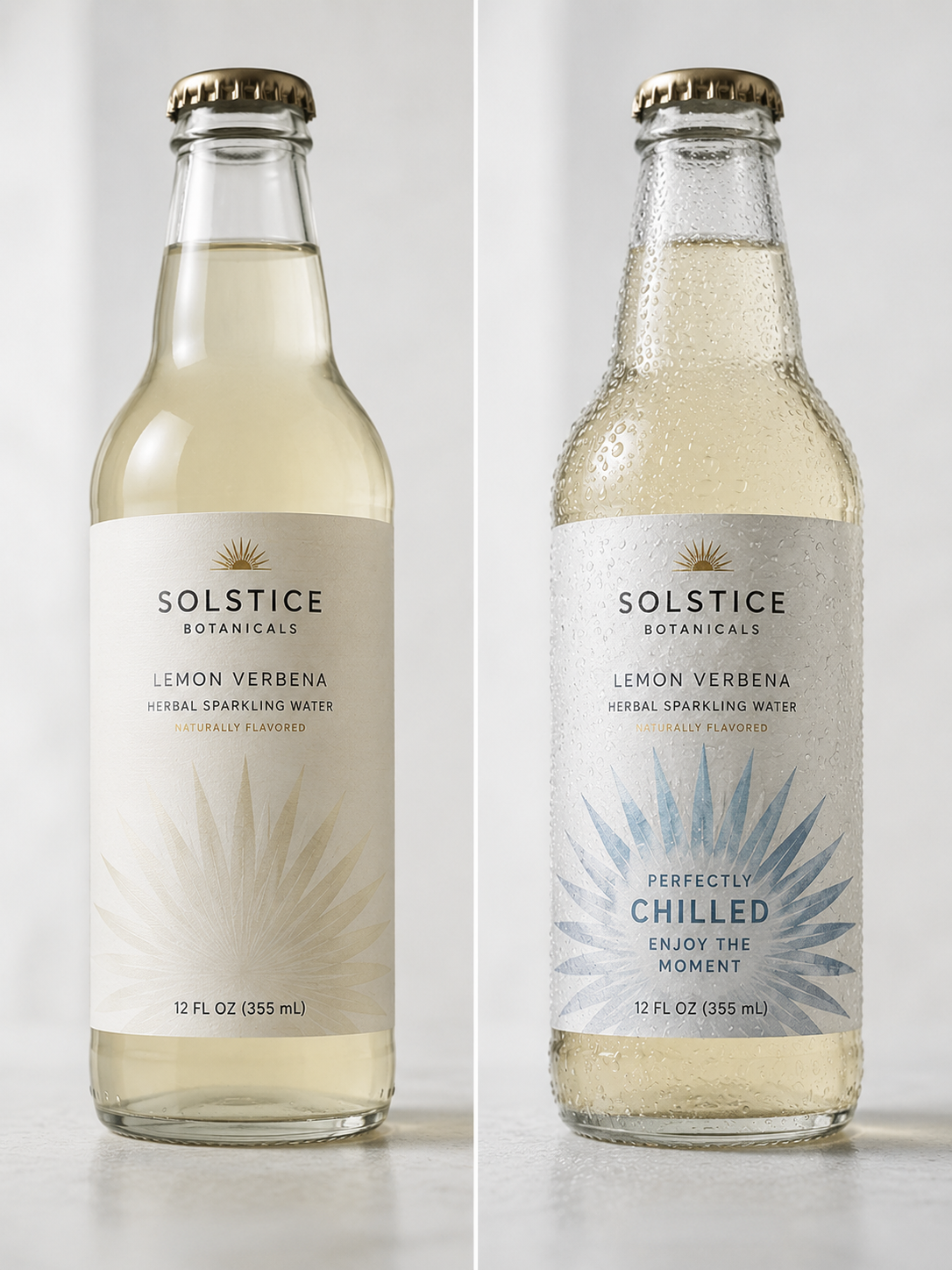
Change color, become clear or reveal another printed layer as the package cools, warms or responds to body heat.
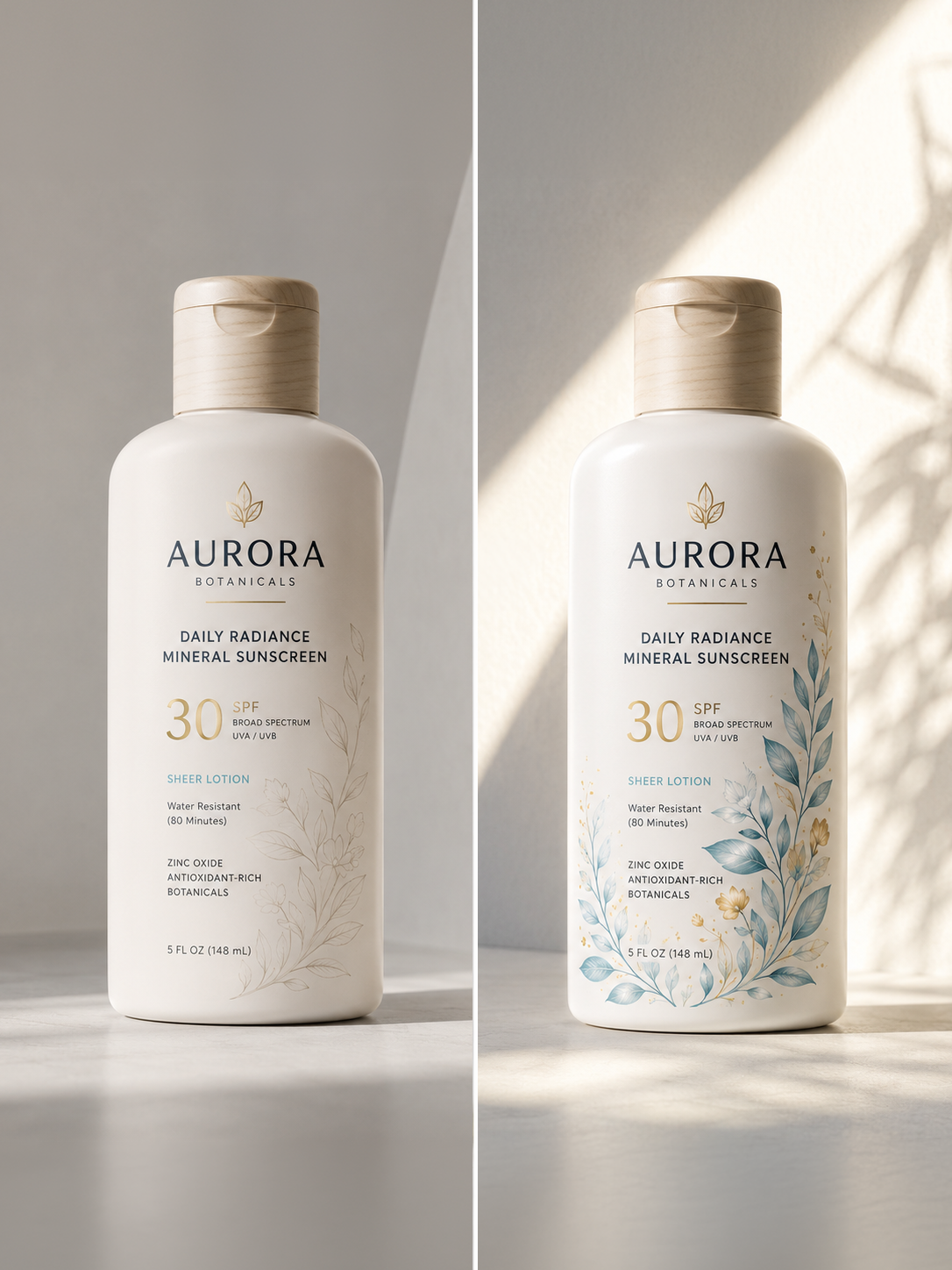
Activate under sunlight or UV exposure so colors and graphics appear outdoors and recede indoors.
Create low-light, nighttime or blacklight-visible effects for seasonal packaging, promotions and verification.
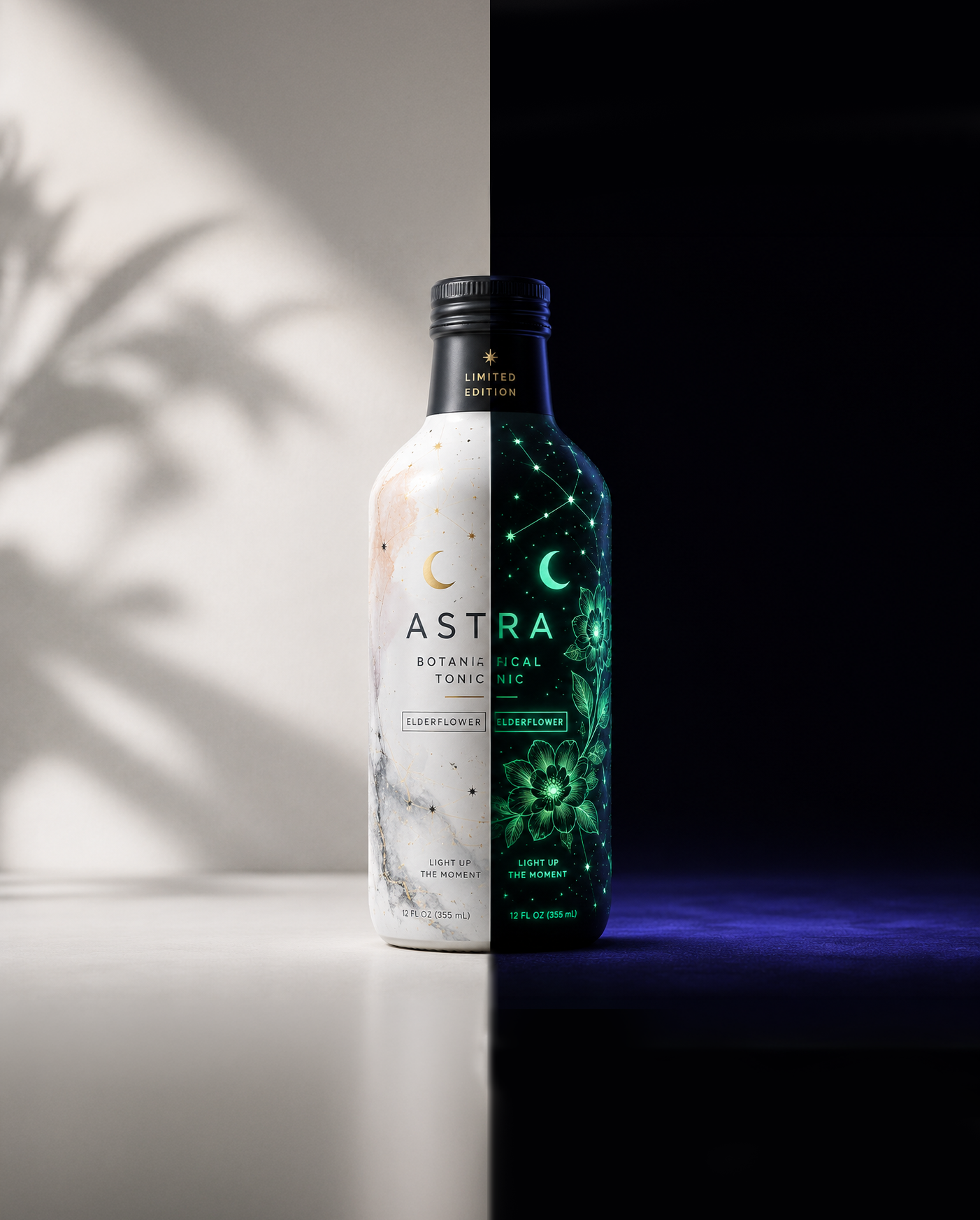
Combine temperature, sunlight, UV or multiple inks to create layered reveals and more complex interactions.
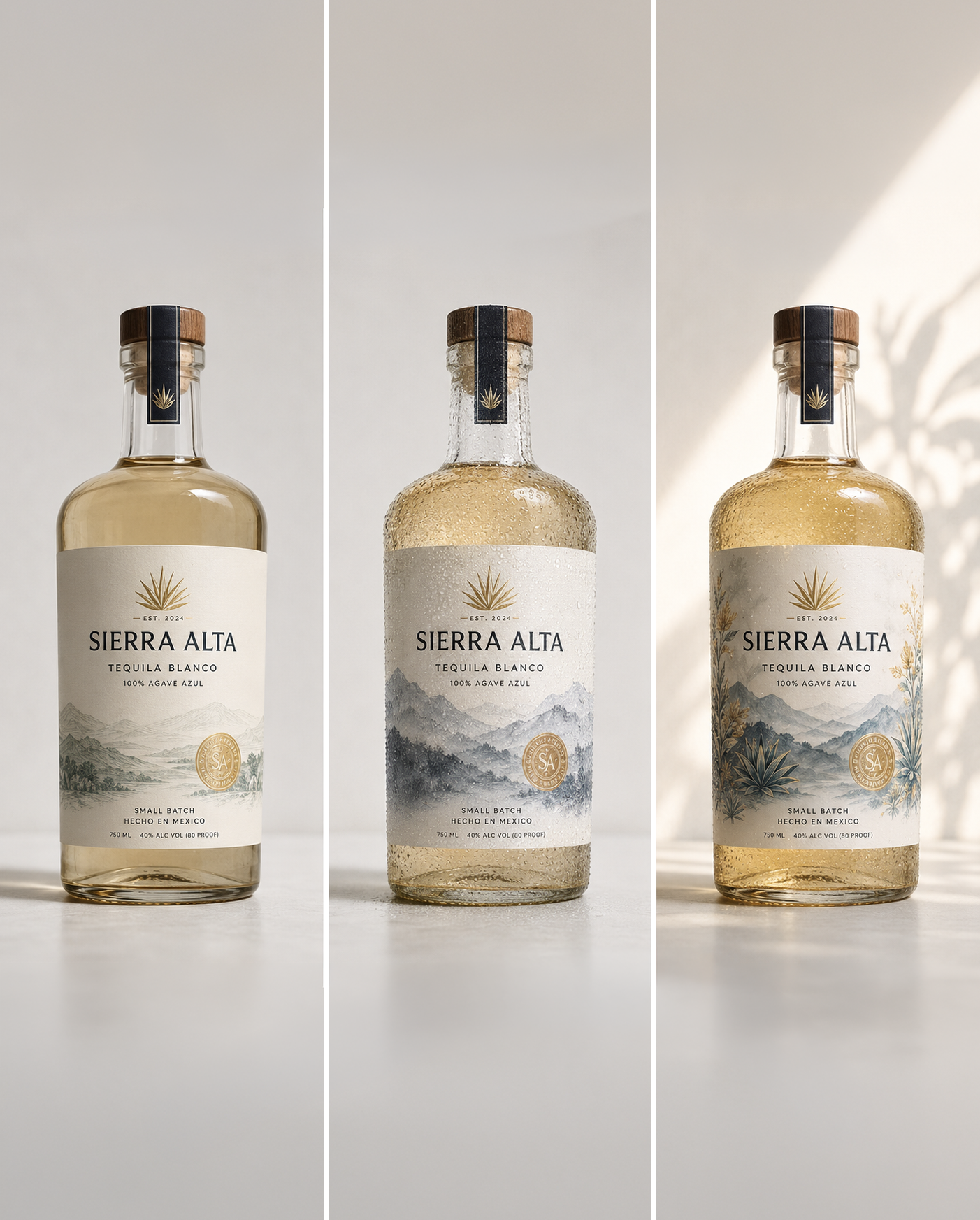
The strongest specialty ink applications reinforce the brand, product promise or moment of use. The effect should give consumers something to notice, understand, share or act on.
A reveal, color shift or glow effect can extend a launch, limited edition or brand story beyond the printed design itself.
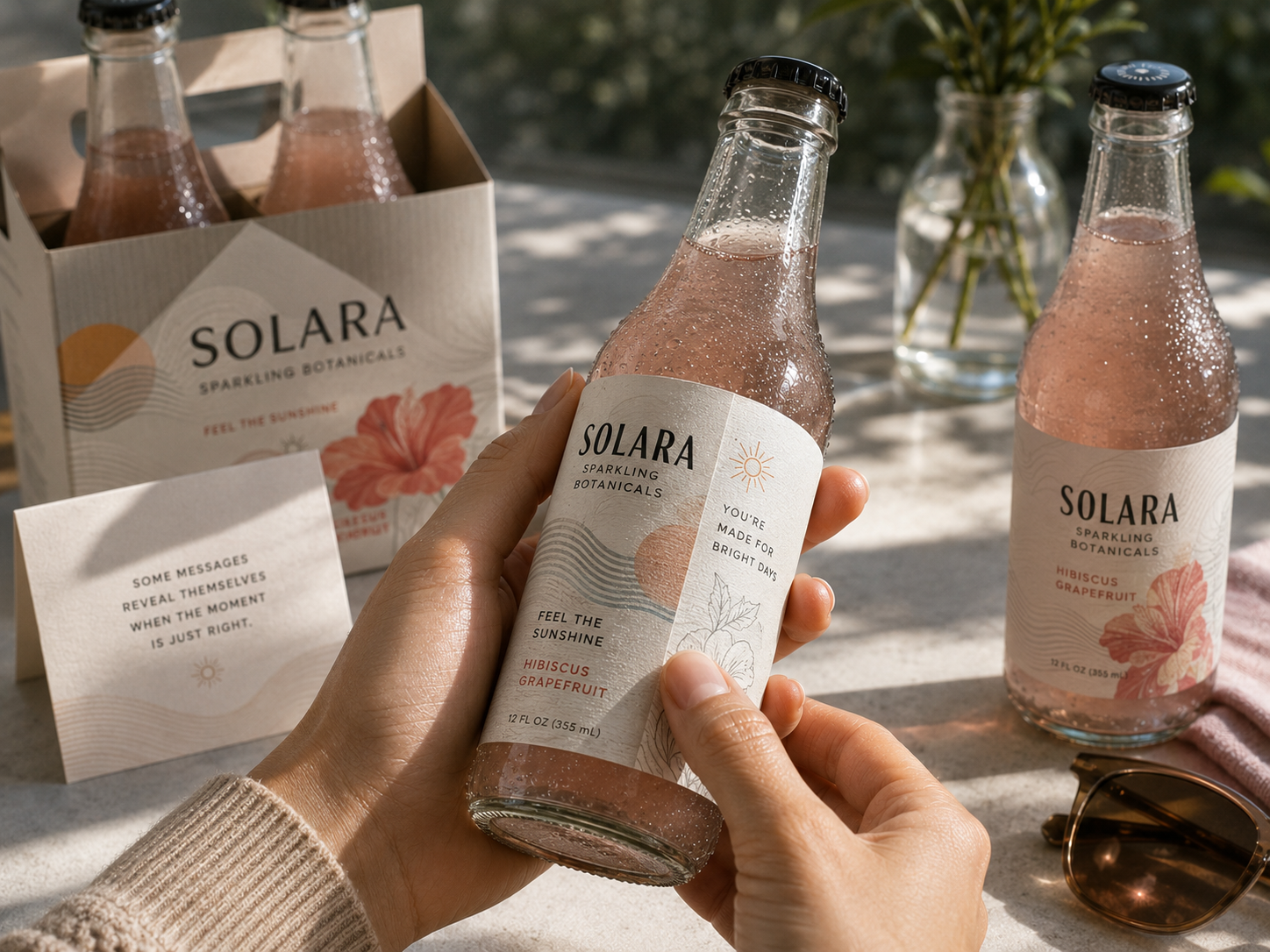
Specialty inks can also support packaging programs that need visible or covert indicators, authentication features or evidence of environmental exposure.
Touch-activated, fluorescent or other specialty features can help consumers or teams verify that a printed component is genuine.
Ink systems can be evaluated to help indicate exposure to heat, freezing or other defined conditions.
Printed indicators can support programs that need to flag movement outside a target temperature condition.
Specialty indicators may help support proof of processing, seal quality or other operational checkpoints.
Application requirements vary. Functional and security uses should be reviewed in context with the product, package, substrate, process and applicable quality or regulatory requirements.
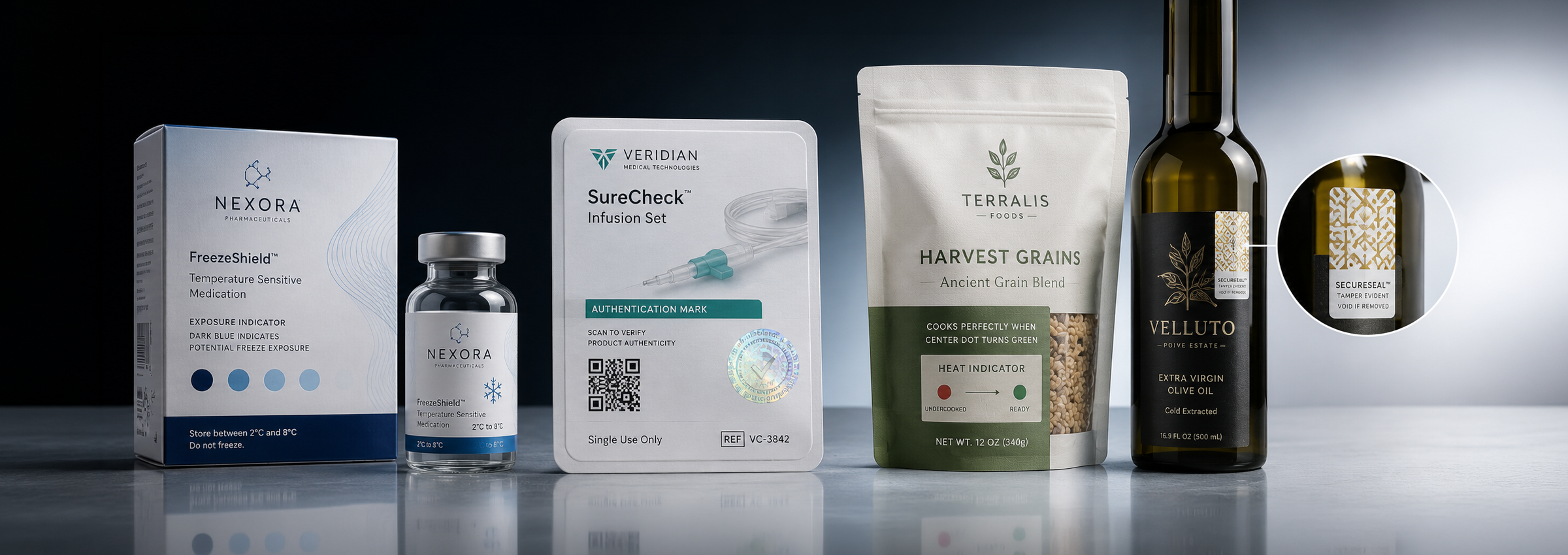
A printed effect can become part of the product experience, the campaign or the information system.
RLG focuses specialty ink development on formats we can support directly or through the right production path.
The ink creates the response. RLG builds the label and packaging system around it. We connect the effect to the material, artwork, print sequence, decoration and production decisions required to make it work on the package.
Availability depends on the ink technology, substrate, print platform, package construction, activation requirements and production location. RLG will help evaluate the appropriate path for each application.
Specialty ink projects are developed through collaboration, visualization, sampling and testing rather than selected from a simple menu.
Clarify what the consumer or user should notice, reveal, learn or feel.
Evaluate cold, heat, body temperature, sunlight, UV light, darkness or a combination.
Review substrate, print method, artwork, product temperature and application environment.
Use digital mockups, printed samples or drawdowns to understand the effect before production.
Confirm activation behavior, color, print performance and interaction with the finished package.
Align ink, artwork, sequence, substrate and process requirements for repeatable execution.
The most successful applications account for both the inactive and activated states early in artwork and production planning.
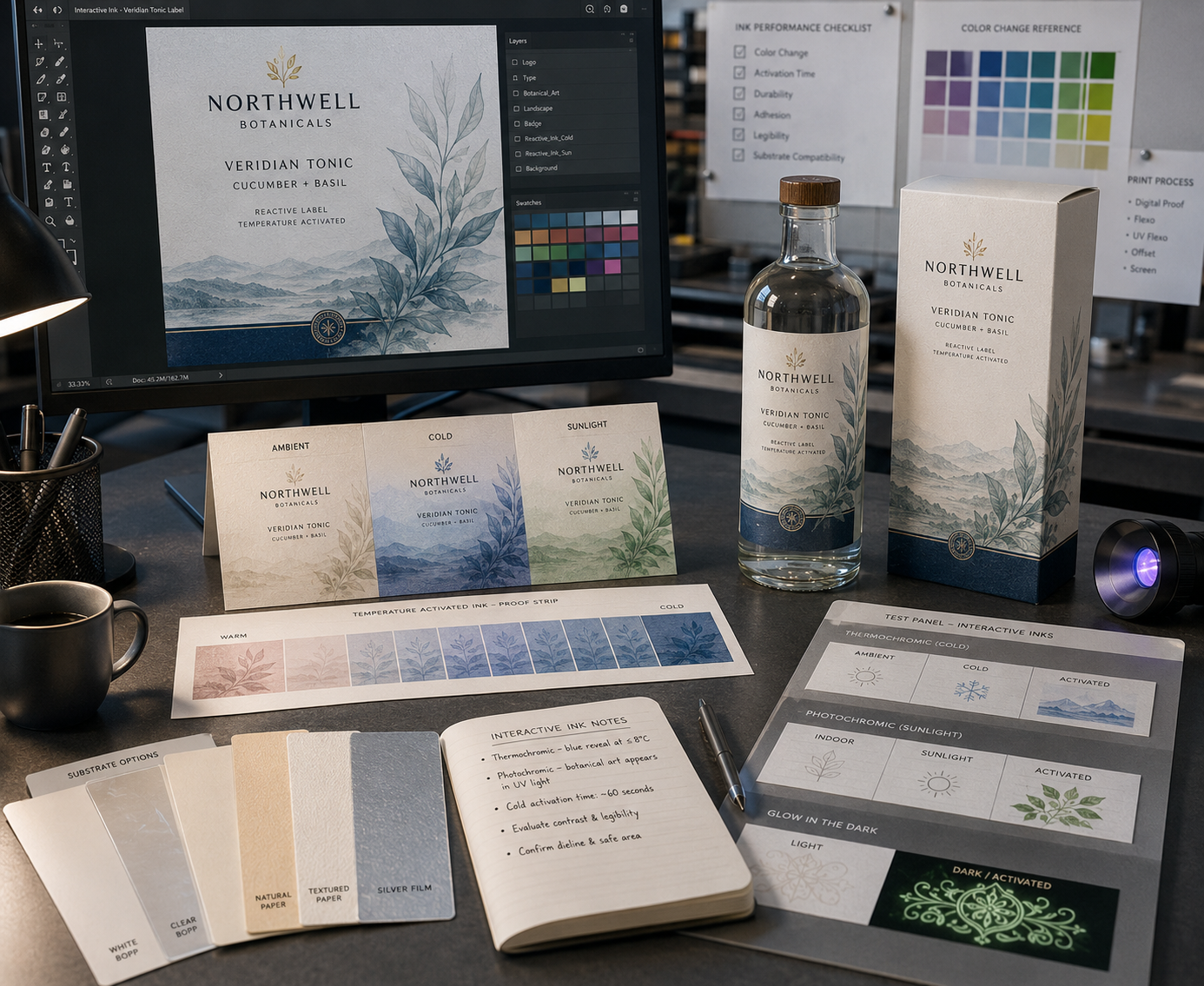
The trigger, message and execution should always be shaped around the product experience and the realities of the packaging format.
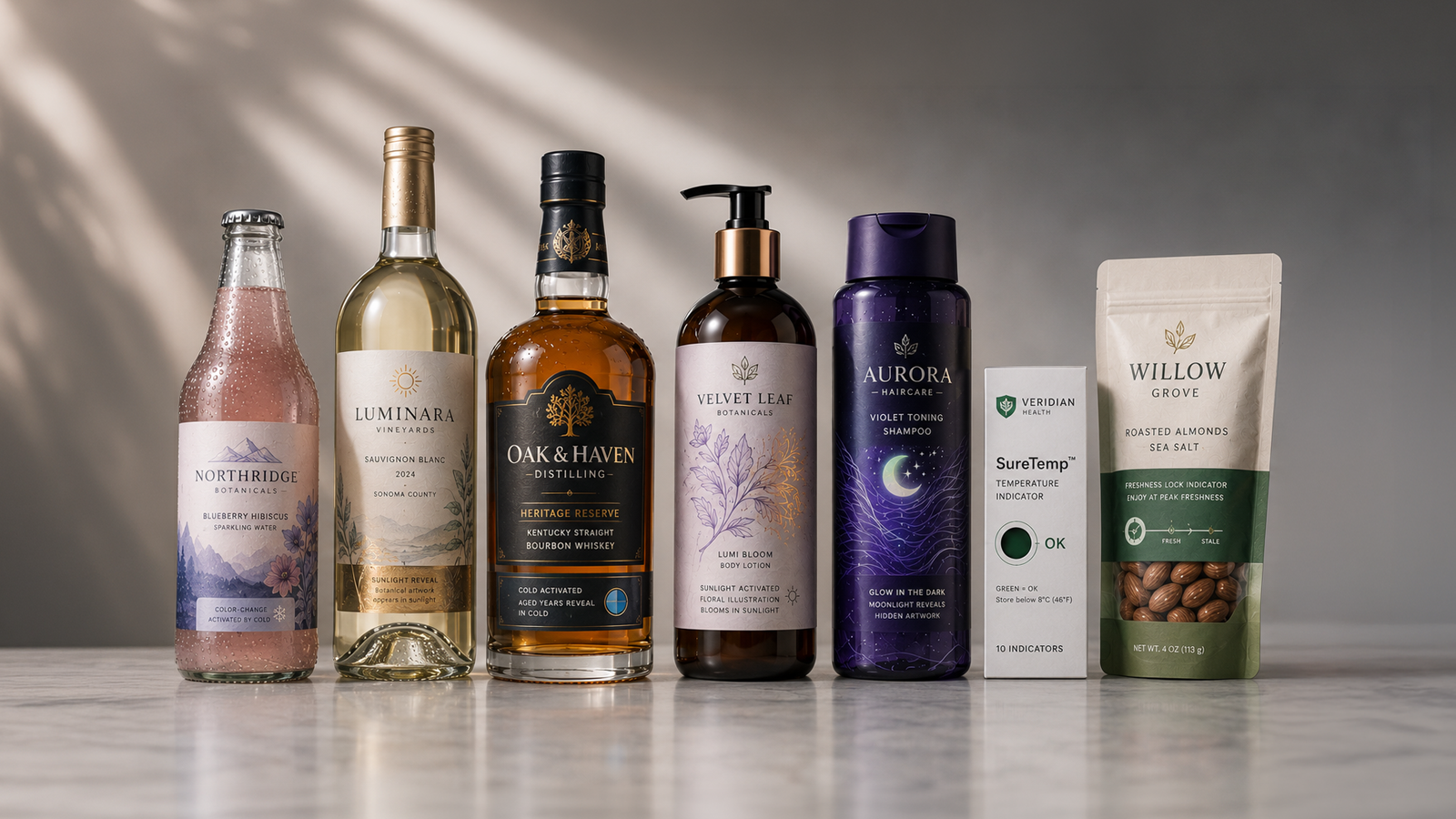
Cold indicators, readiness cues, seasonal reveals, promotional graphics and consumption-moment experiences.
Sunlight, cold, blacklight or touch-activated effects for premium releases, tasting experiences and limited editions.
Temperature cues, touch reveals, brand storytelling and product-use guidance.
Authentication, tamper evidence, cold-chain indicators and process indicators, subject to application review.
Interactive promotions, hidden messages, seasonal designs and brand-protection features.
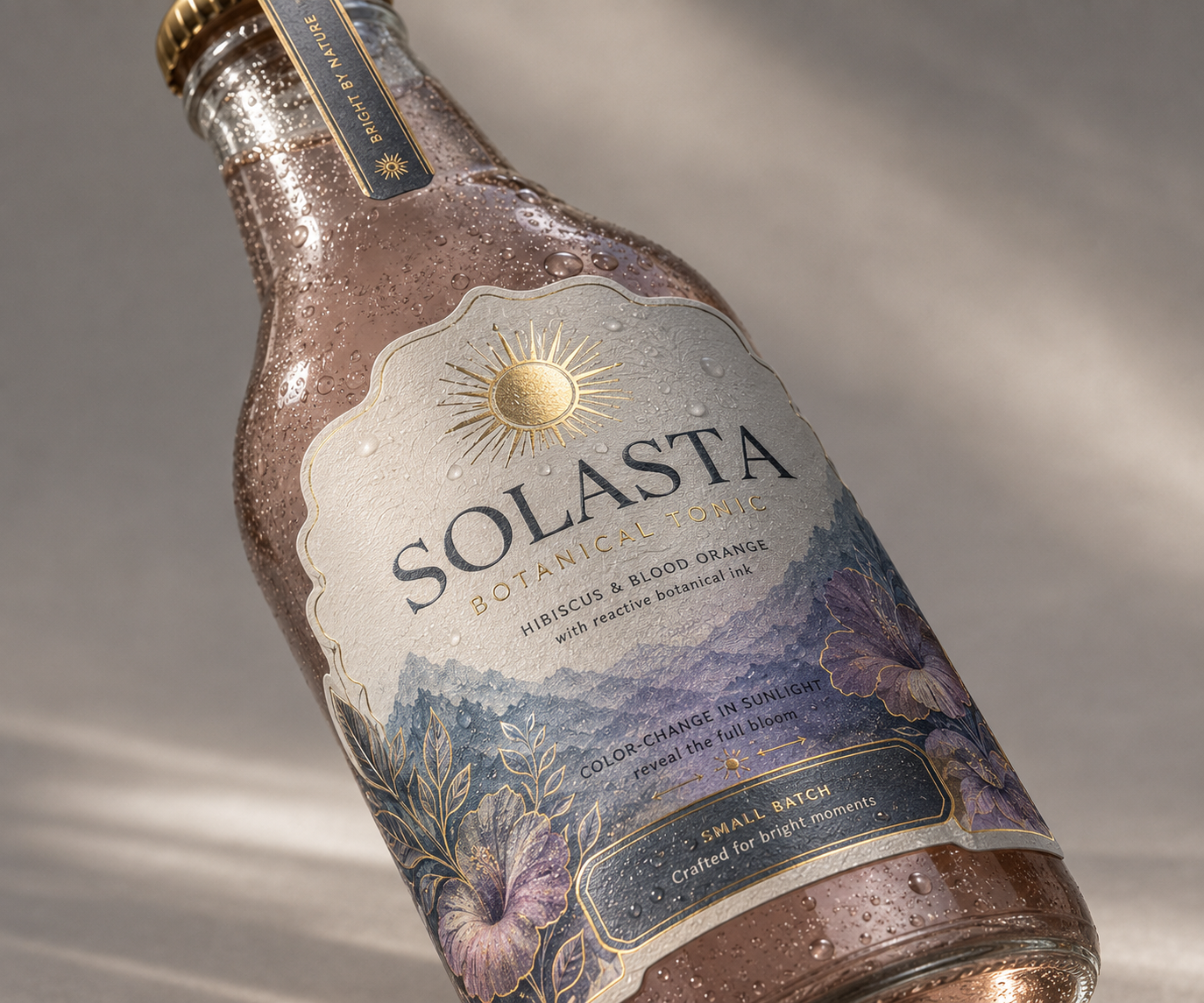
Interactive inks can work alongside tactile screen effects, coatings, foil or custom shapes to create a more complete label and packaging experience.
Specialty inks create a visual or functional response beyond conventional printed color. Depending on the technology, they may react to temperature, sunlight, UV light, darkness, touch or another defined condition.
Thermochromic inks respond to temperature. Photochromic inks respond to sunlight or UV exposure. Each can be designed to reveal, clear or change color under specific conditions.
They can be considered for pressure-sensitive labels, shrink sleeves and other RLG-supported packaging formats, subject to substrate, print method, application and performance review.
Exact matches may not be possible because specialty pigments can appear softer or less saturated than conventional inks. Complementary colors and thoughtful artwork often produce a stronger result.
Both reversible and irreversible technologies are available. The right choice depends on whether the effect should repeat or permanently indicate exposure or processing.
Yes. Final appearance and activation behavior depend on artwork, substrate, print method, coatings, production conditions and the package environment. Samples, drawdowns or production trials are typically part of the development path.
As early as possible. Early collaboration makes it easier to align the concept, trigger, artwork, substrate, print method and testing plan before the design is locked.
Bring us the product, the moment and the reaction you want to create. We will help evaluate the right effect, format and development path.