Premium Label Decoration & Embellishments
Premium Label Decoration Creates Memorable Brand Experiences
The finishes your customers notice first are rarely accidental. From specialty materials and metallic foils to tactile textures, layered decoration and precision engineering, premium labels are designed to influence perception before a product is ever opened.
Reflect
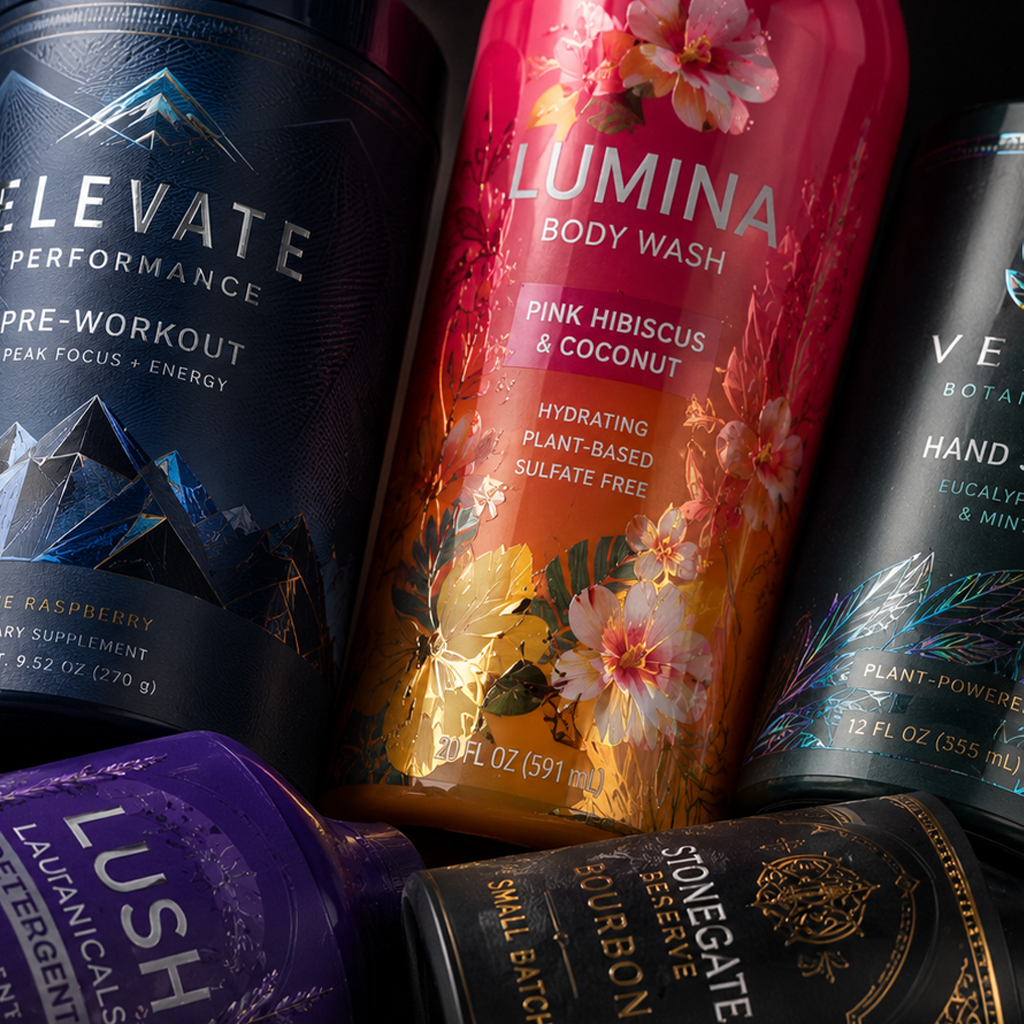
Use metallics, foils and optical effects to make light part of the brand experience.
Feel
Add texture, dimension and tactile cues that encourage customers to pick up the package.
Reveal
Create discovery through transparent constructions, reverse printing, die cuts and windows.
Respond
Use temperature, light and other triggers to make packaging change, reveal or invite interaction.
Differentiate
Support variation, campaigns, personalization and authentication with smarter production paths.
Layer
Combine materials and finishes so the final label feels intentional from every angle.
Decoration Philosophy
Decoration is designed from the beginning.
Great decoration is not a last-minute upgrade. It is a strategic part of how a package communicates value, quality and intent.
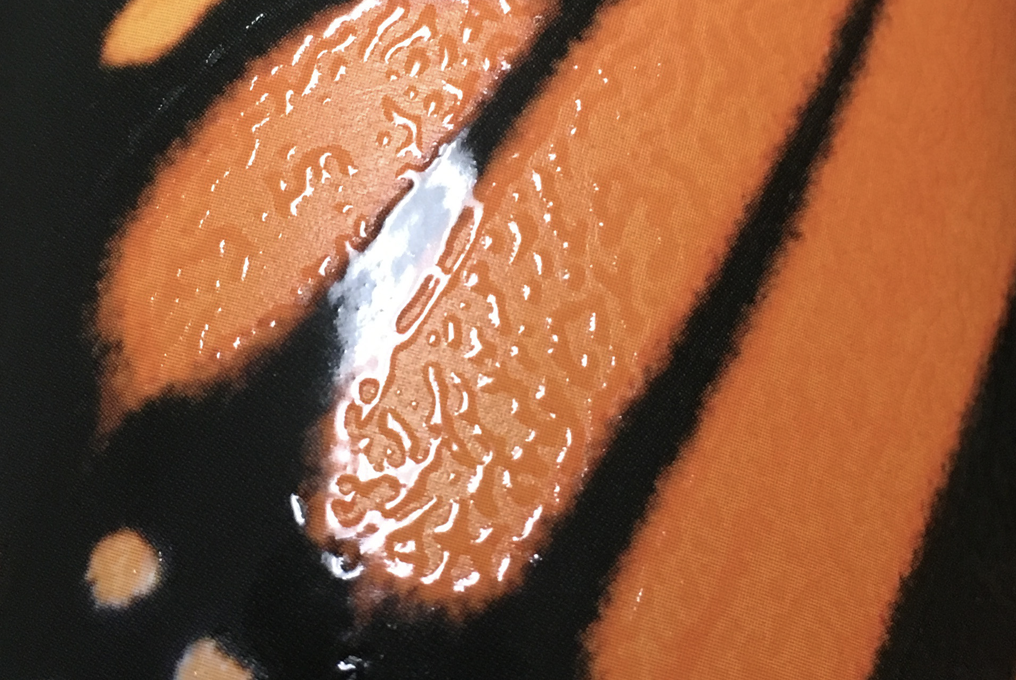
Consumers rarely remember which embellishment technique was used. They remember how the package made them feel. Shine, texture, contrast, transparency and dimension work together to create a first impression before the product is ever opened.
Material Foundation

Every premium finish begins with the right foundation.
A metallic foil behaves differently on textured paper than it does on smooth film. Emboss depth, coating compatibility, transparency, trigger conditions, sustainability goals and application environment all influence what can be achieved next.
Brand Objective
Define the desired impression: premium, natural, technical, bold, subtle, secure or highly interactive.
Material Selection
Choose paper, film, clear construction, textured stock or sustainable material options that support the finish.
Decoration Strategy
Layer foils, embossing, varnishes, interactive inks, die cuts, reverse printing or variable graphics with intention.
Performance
Validate appearance, application, durability, handling and production requirements before launch.
Layered Decoration
Premium decoration works together.
The strongest labels rarely depend on a single effect. They combine material, print, foil, texture, coating and shape into one cohesive package experience.
Layering finishes takes planning. Each choice can influence registration, production sequence, material compatibility, cost, durability and how the final label feels in the customer’s hand.
How a premium label builds.
One decision supports the next.
Reflect
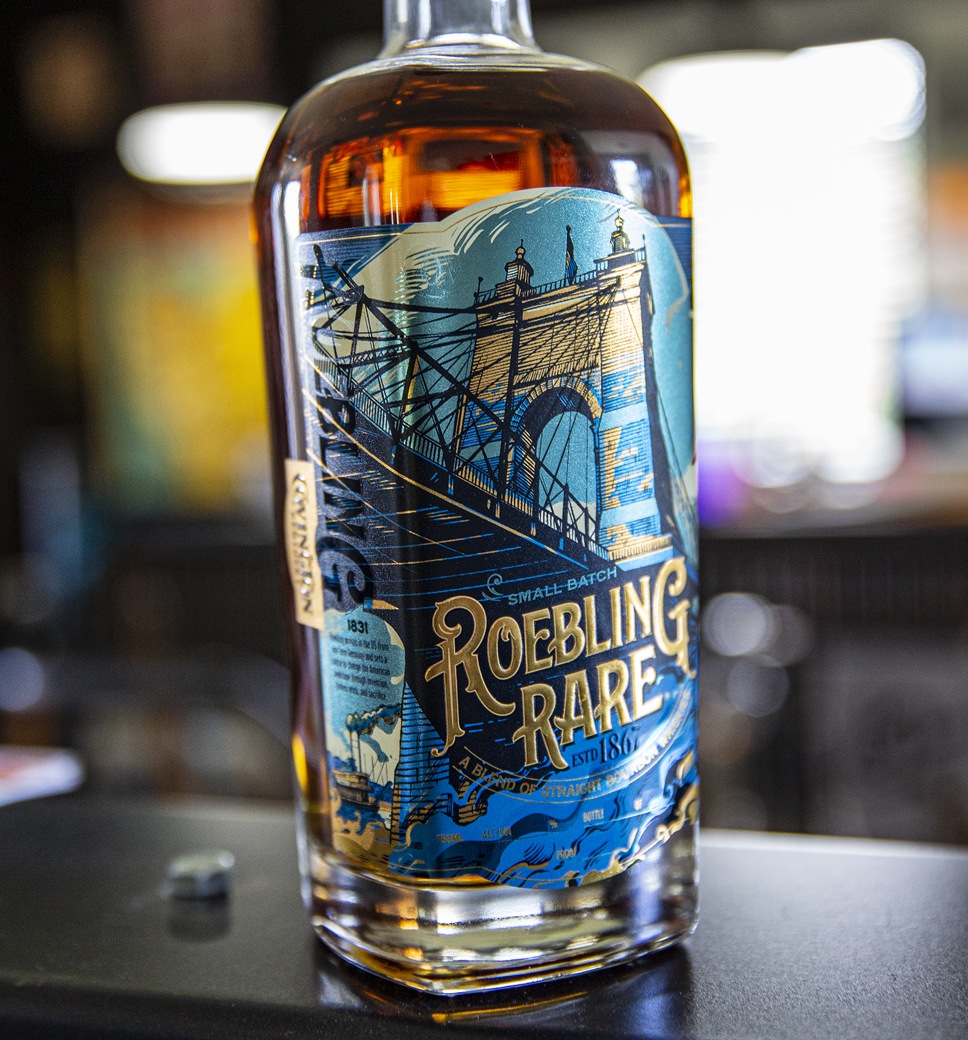
Light becomes part of the package.
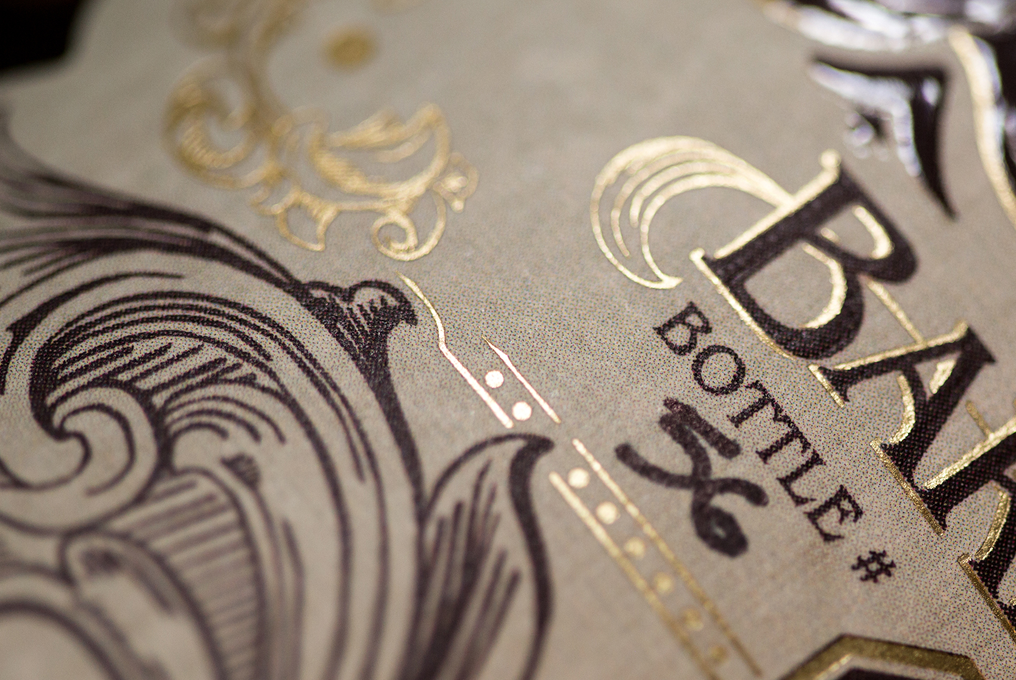
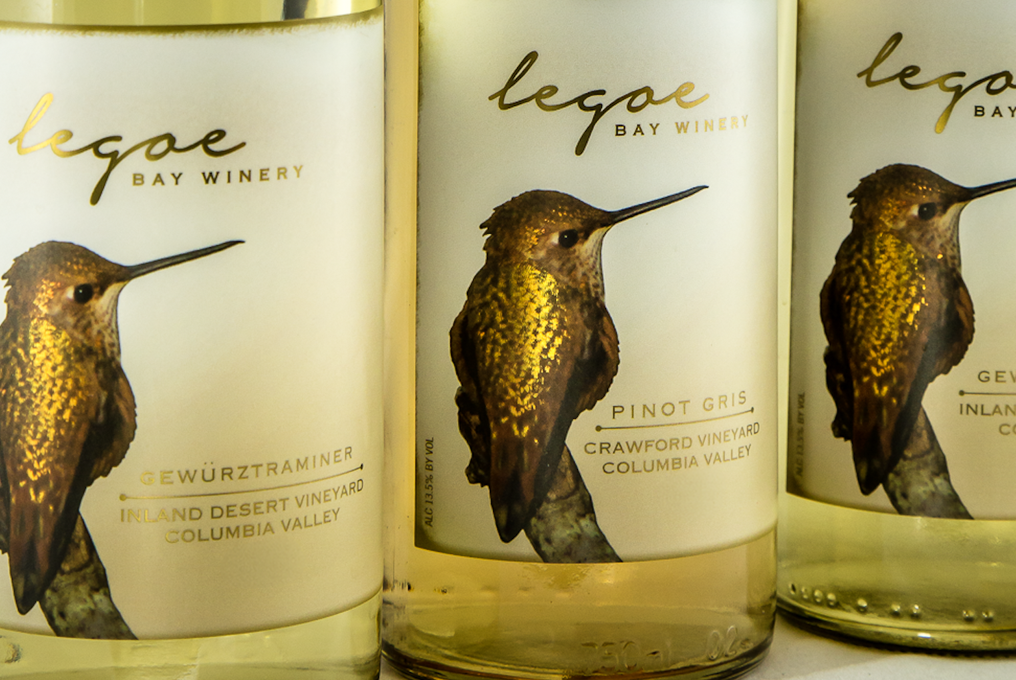
Metallic foil, cold foil, specialty metallic inks and holographic effects help packaging capture attention through movement, shine and contrast. Used with restraint, reflective decoration can make a product feel more premium, giftable or distinctive on shelf.
Explore foil stamped labels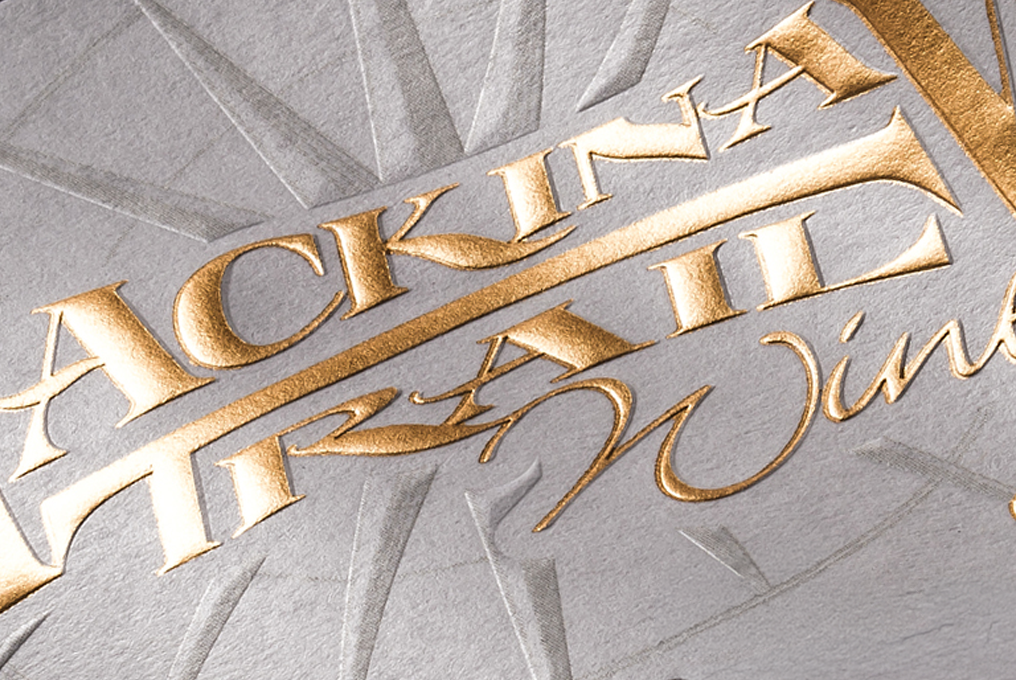
Feel
Texture creates memory.
Embossing, debossing, high-build varnish, soft-touch coatings, screen printing and textured materials add physical cues that invite interaction. When a label rewards touch, the package becomes more memorable.
Explore embossed labels Explore screen print labels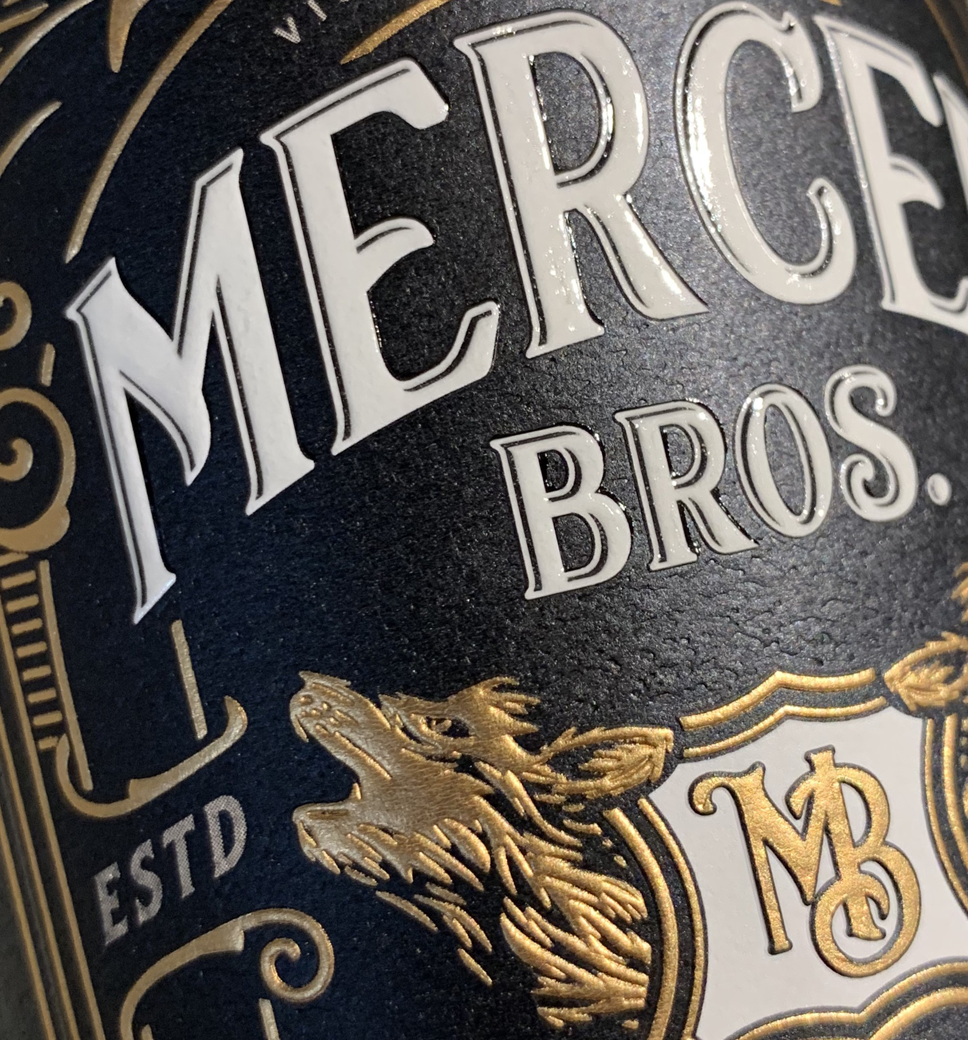
Reveal
Sometimes the best decoration disappears.
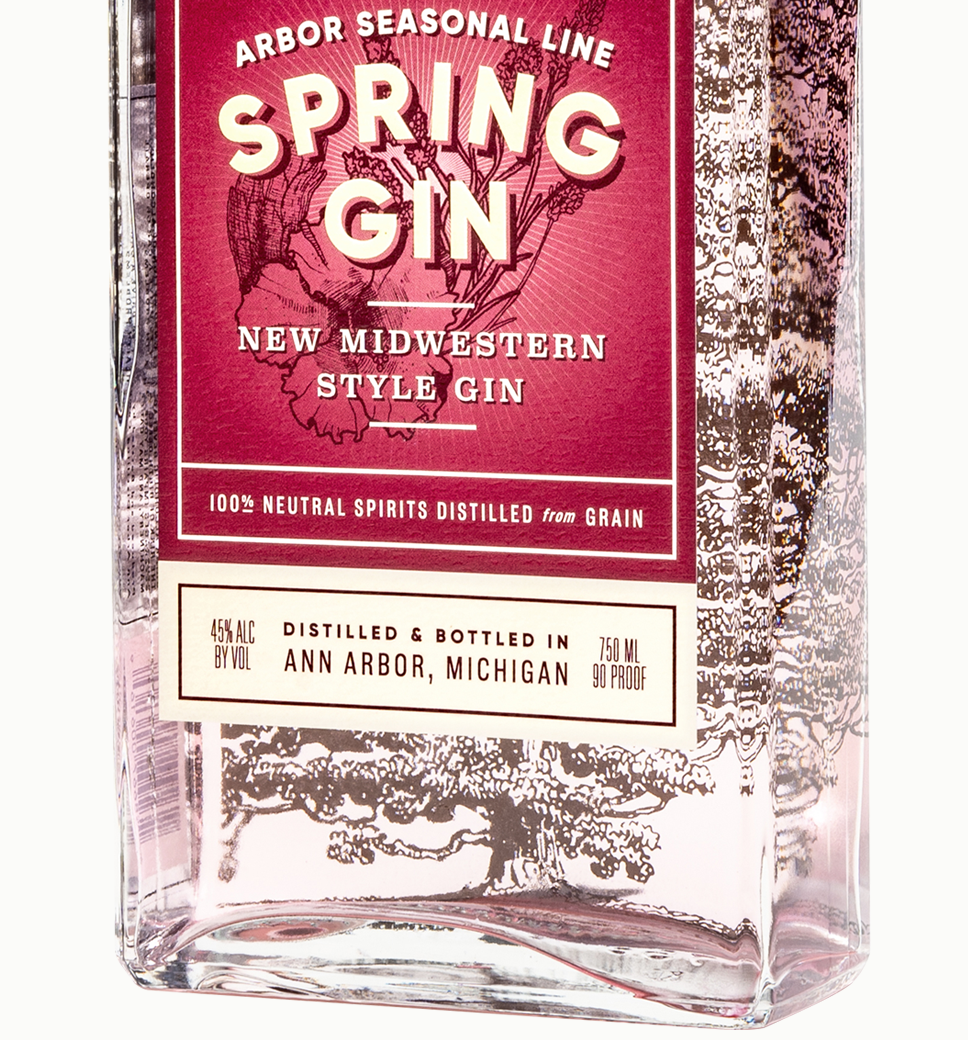
Transparent constructions, no-label-look films, reverse printing, double-sided labels and laser die-cut shapes can reveal the product, glass, substrate or hidden design detail. The result can feel cleaner, more dimensional and more intentional than a conventional label.
Explore the no-label look Explore double-sided labelsRespond
Packaging can react to the moment.
Thermochromic, photochromic, glow and other specialty ink technologies can make packaging change with temperature, light or environmental conditions. These effects can create discovery, signal product conditions, support functional communication or turn the package into a more memorable brand experience.
Explore Interactive & Specialty Inks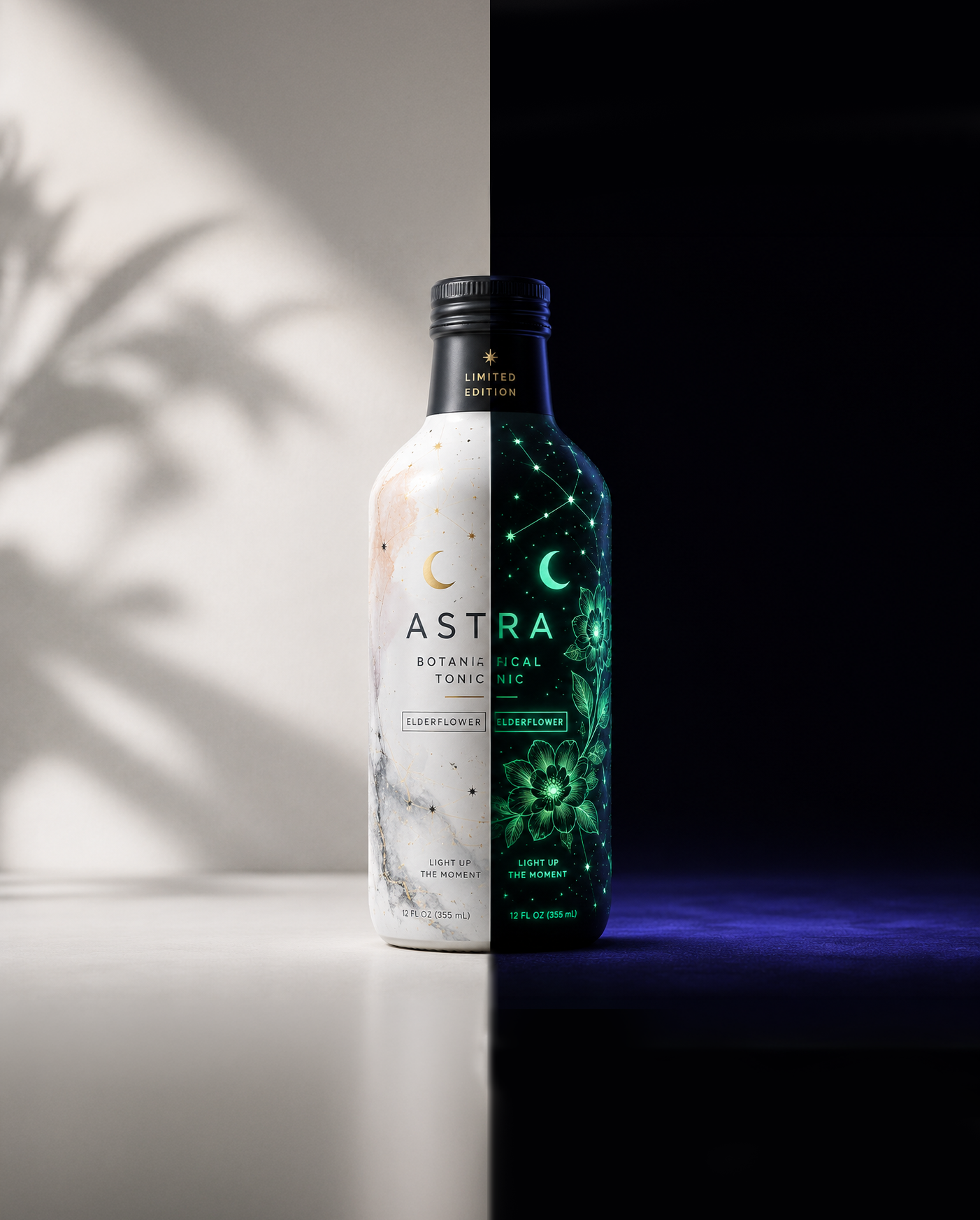
Differentiate
Every package does not have to look identical.
Variable graphics, regional releases, limited editions, personalization, authentication features and anti-counterfeiting elements can help brands create variation while still protecting consistency and production efficiency.
Explore variable label printing Explore brand protection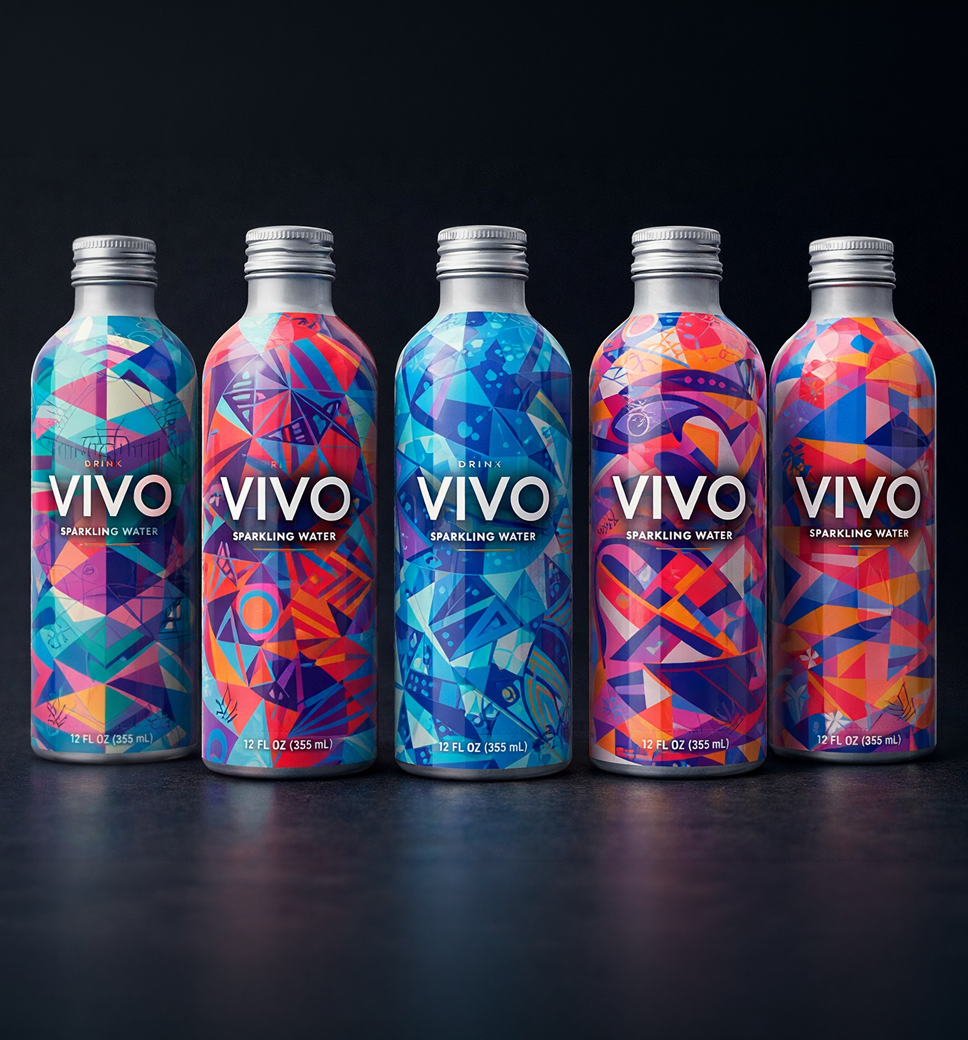
Layer
The most memorable labels combine techniques.
Foil, embossing, texture, varnish, interactive inks, transparent constructions and custom shapes become more powerful when they are planned as one complete brand experience.
Layered decoration gives packaging more depth, more interaction and more reasons to be noticed. It also requires alignment between artwork, material, tooling, sequencing and production expertise.
Concept to Production
Great decoration is engineered, not added.
Because materials, finishes, registration and production sequence influence each other, the best decoration decisions are made early and evaluated as a complete packaging system.
Define the experience
Clarify what the package needs to communicate: premium value, freshness, security, craft, clarity, sustainability or shelf disruption.
Select materials and finishes
Evaluate substrates, films, coatings, adhesives and decoration techniques together rather than one choice at a time.
Engineer layered decoration
Coordinate foil, embossing, varnish, screen effects, interactive inks, die cuts, reverse printing and print methods for production-ready execution.
Validate production
Review proofs, application requirements, performance expectations and repeatability before the program moves into production.
Beyond Aesthetics
Decoration can do more than look premium.
The same decisions that create shelf impact can also support premiumization, responsive communication, product security, campaign variation and long-term brand strategy.
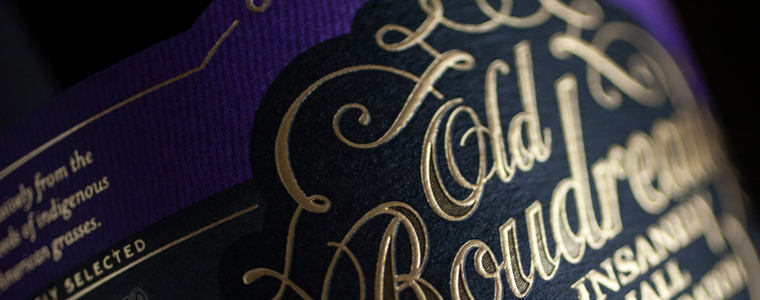
Premiumization
Decoration can help a product communicate elevated value through touch, finish, shine and material quality.
Explore premiumization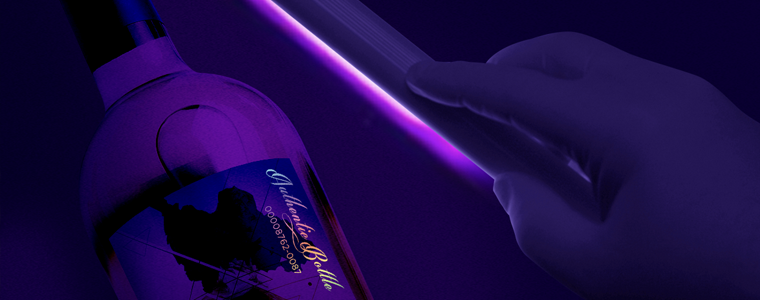
Protection
Overt and covert security elements can help protect brands while making products harder to counterfeit.
Explore brand protection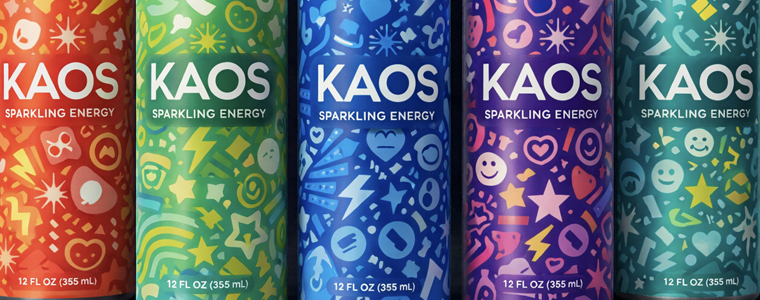
Variation
Variable graphics and versioning can support limited editions, regional programs and campaign packaging at scale.
Explore variable printingMarket Applications
Premium decoration can work across every shelf.
Different categories use decoration differently. A wine label may need provenance and touch. A spirits bottle may need drama and shelf impact. A beauty product may need softness and clarity. A security label may need authenticity and protection.
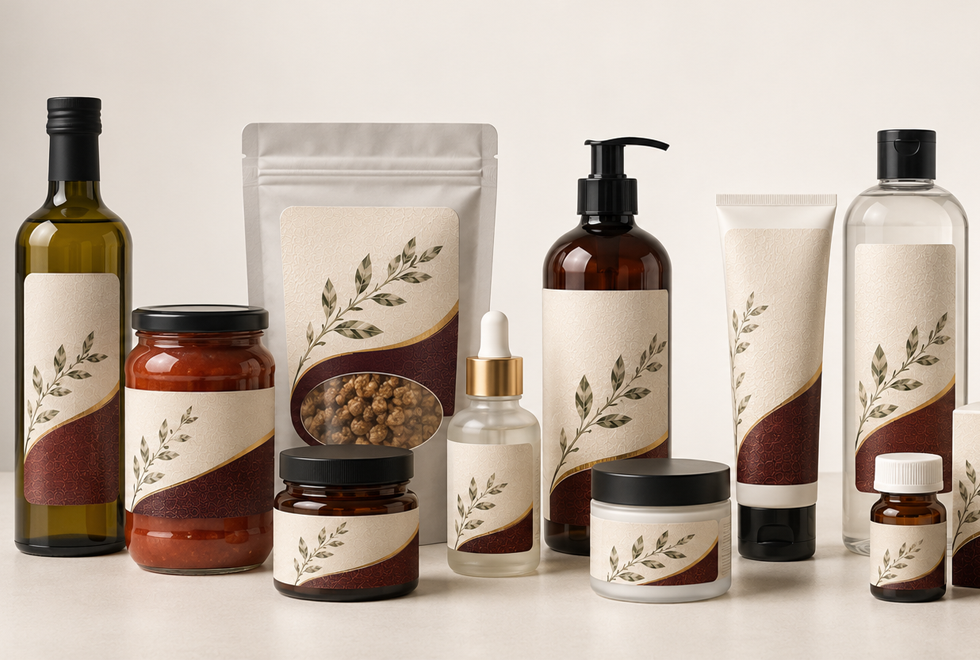
Wine
Texture, estate papers, foil, embossing and vintage storytelling.
Spirits
Bold decoration, premium shelf impact, shrink sleeves and metallic effects.
Beauty
Soft-touch finishes, clear constructions, tactile cues and refined material choices.
Food & Beverage
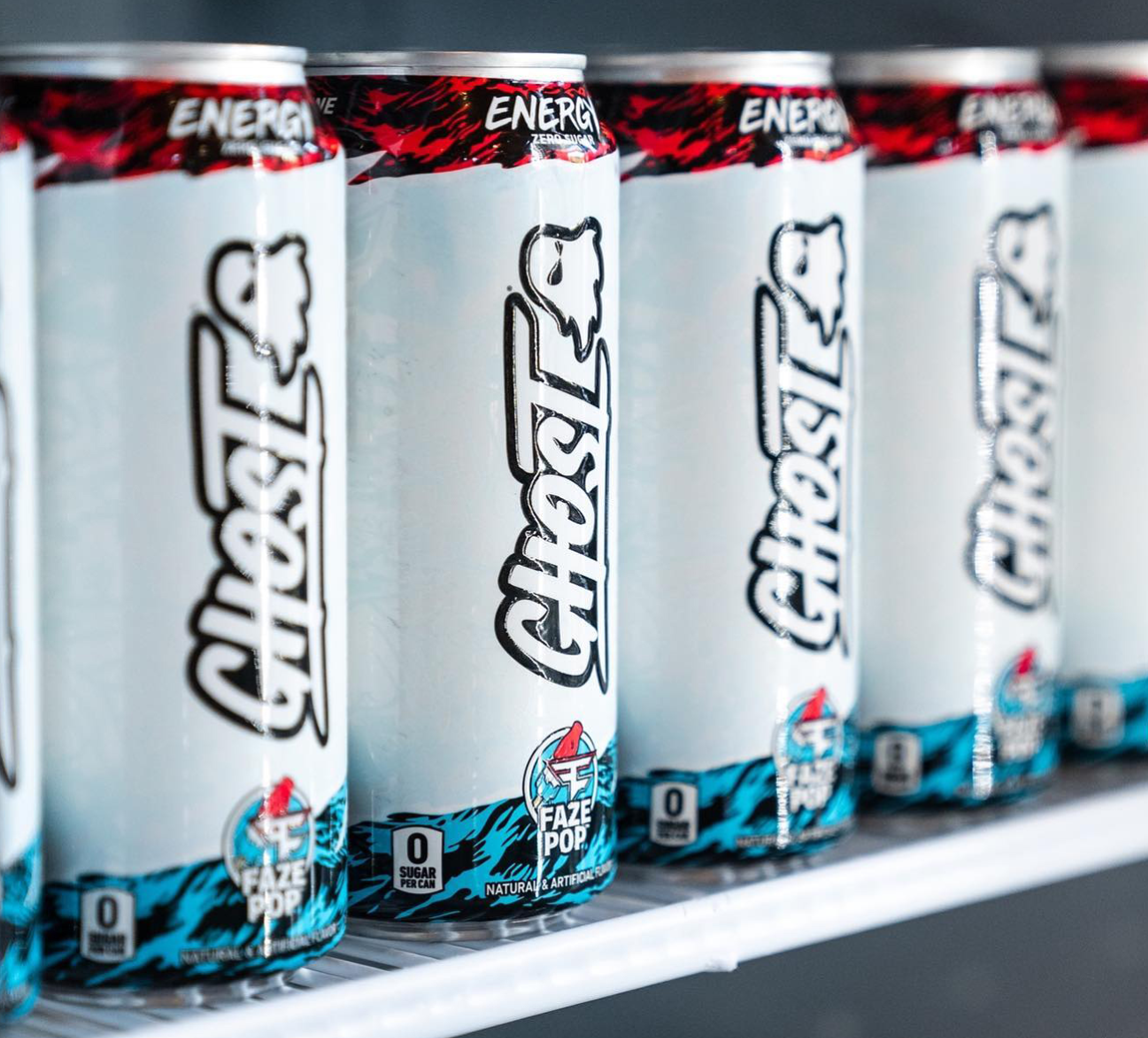
Campaign variation, limited editions, flavor differentiation and sensory appeal.
Healthcare
Clear communication, durable constructions and regulated packaging expectations.
Nutraceuticals
Premium positioning, trust cues and product family consistency.
Household
Durability, shelf presence and product-line distinction.
Specialty Products
Authentication, uniqueness, seasonal packaging and collectible presentation.
Decoration Techniques
Explore label decoration capabilities.
Each supporting page goes deeper into a specific finish or production capability. This pillar page connects the techniques into a complete premium packaging strategy.
Questions Worth Answering
Premium label decoration FAQs
What is label decoration?
Label decoration refers to specialty materials, printing effects, finishes and constructions that make packaging more distinctive, tactile, premium or interactive. Examples include foil, embossing, screen printing, interactive and specialty inks, varnishes, die cutting, transparent labels, reverse printing and variable graphics.
What is the difference between decoration and embellishment?
Embellishment usually refers to specific premium effects such as foil, embossing or tactile varnish. Decoration is broader and can include materials, shape, transparency, reverse printing, coatings, variable graphics and other choices that influence the brand experience.
When should decoration be considered in the design process?
Decoration should be considered early. Material choice, print method, tooling, registration, coating compatibility and application environment can all influence which effects are practical, repeatable and cost effective.
Can multiple decoration techniques be combined on one label?
Yes. Many premium labels combine textured materials, foil, embossing, varnish, screen print, die cutting or other finishes. The key is planning the full construction together so each finish supports the brand experience and production requirements.
Can decoration support sustainability goals?
Yes, material selection can influence recyclability, renewable content, label construction, container compatibility and other sustainability considerations. RLG can help evaluate decoration choices alongside sustainability goals.
Start Earlier. Build Better.
Great decoration begins long before production.
Whether you’re launching a premium product, refreshing an established brand or developing a complex packaging program, involving your packaging partner early creates better results.