Give your packaging more to say — and more to do.
Extended content labels create additional room for information, storytelling, instructions, promotions and engagement without asking the primary package to work any harder. Solve a space challenge. Build a better brand experience. Or do both.
You do not need to know the construction name. Start with what your package needs to communicate, how customers will use it and what your production process requires. RLG can help narrow the options from there.
What could your label do with more room?
Sometimes extended content is necessary. Sometimes it is an opportunity hiding in plain sight. The same construction that helps organize required information can also create room for a stronger story, a better user experience or a more engaging promotion.
Organize critical information
Create accessible room for instructions, safety information, ingredients, usage details, disclosures and other content that competes for limited label space.
Support multiple languages
Separate language blocks or regional information so customers can find what matters without overwhelming the main brand panel.
Expand the brand story
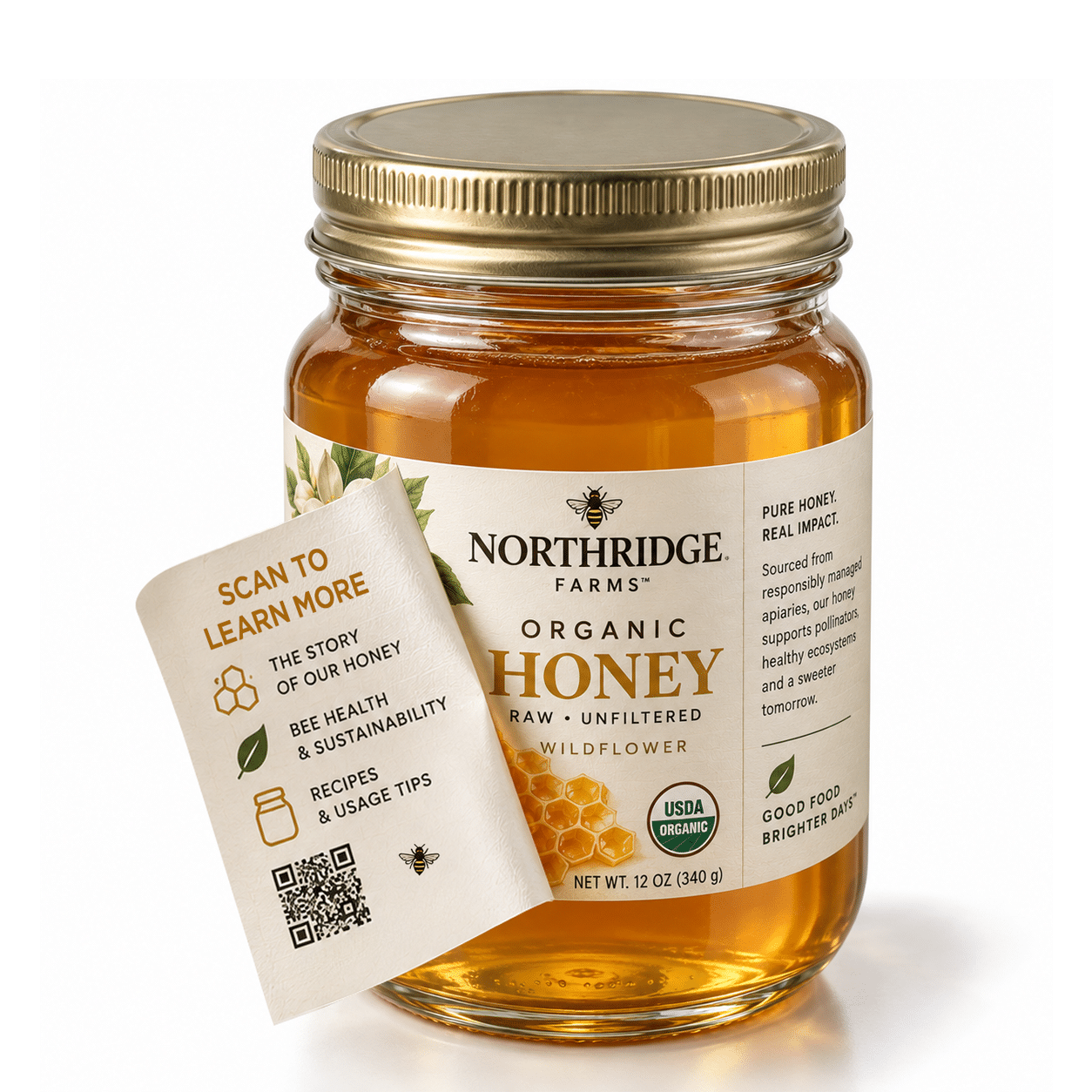
Use added space for product education, sourcing stories, recipes, usage inspiration, related products or content that deepens the customer relationship.
Create a promotional moment
Coupons, offers, campaign messages, QR-enabled experiences and other interactions can turn packaging into active marketing space.
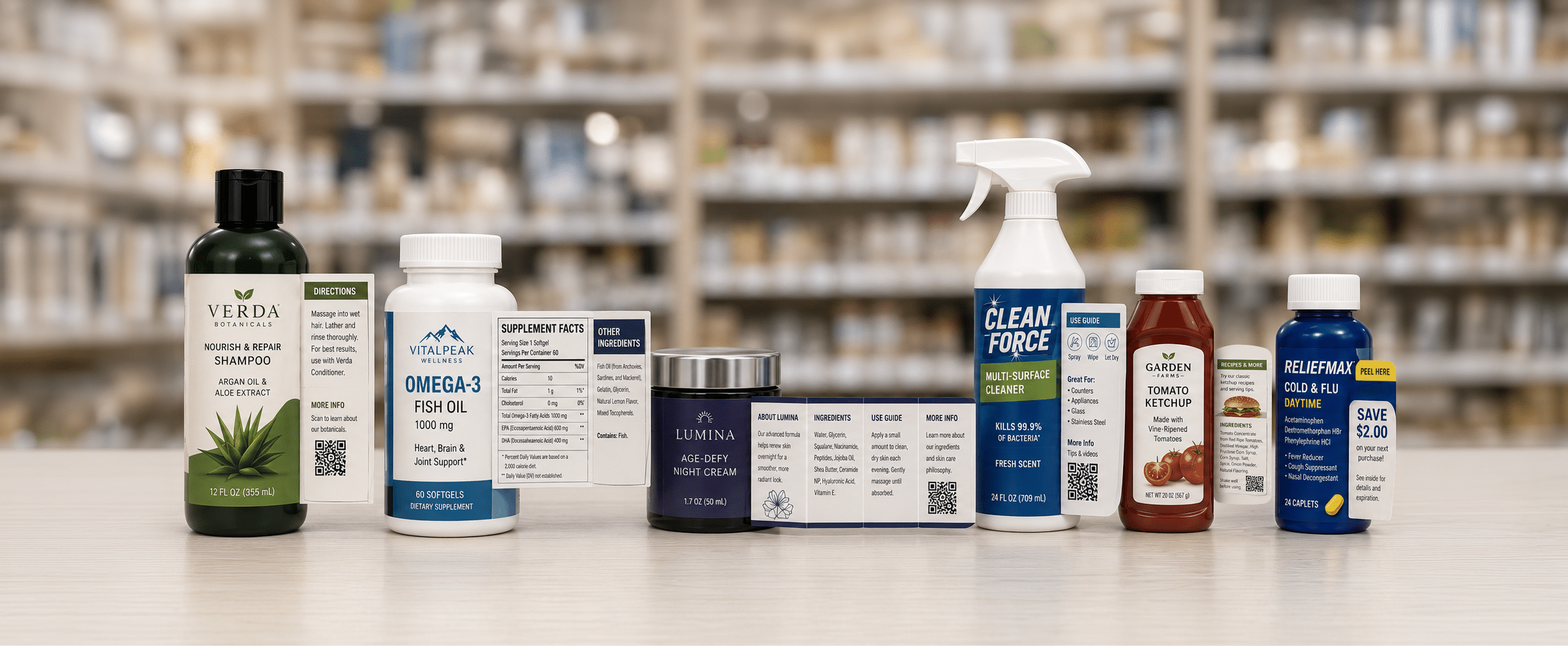
An extended content label does not have to look like a compromise.
ECLs can serve as the primary label construction, carrying the visual identity on the outside while making additional information available through a deliberate reveal. The result can feel integrated, polished and completely at home on the package.
Think of the outer panel as the front door. Branding, hierarchy and shelf impact can stay focused there, while the construction creates additional space for the content customers need — or the experience you want them to discover.
Start with what the label needs to accomplish.
Extended content labels are a family of constructions, not a single product. These four solution families provide a practical starting point, with deeper product pages available when you are ready to explore a specific construction.
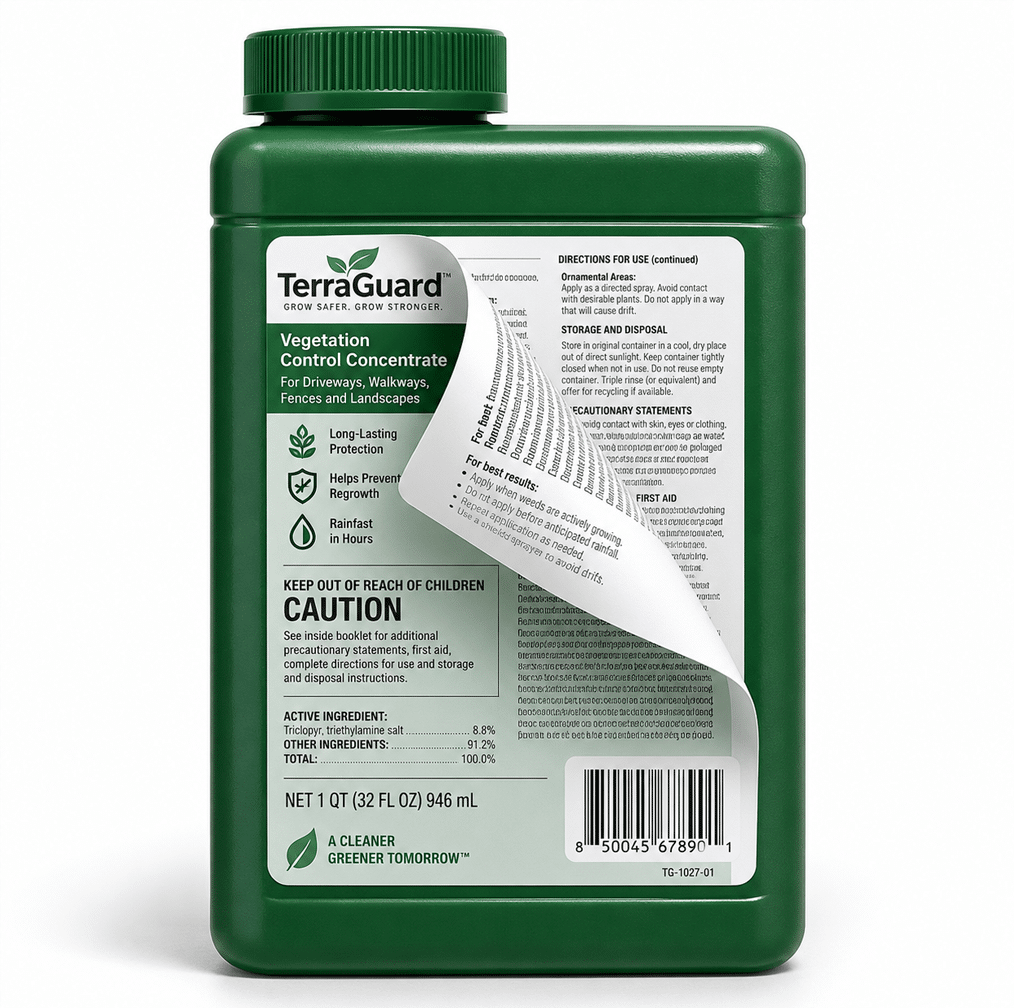
Peel-back & resealable labels
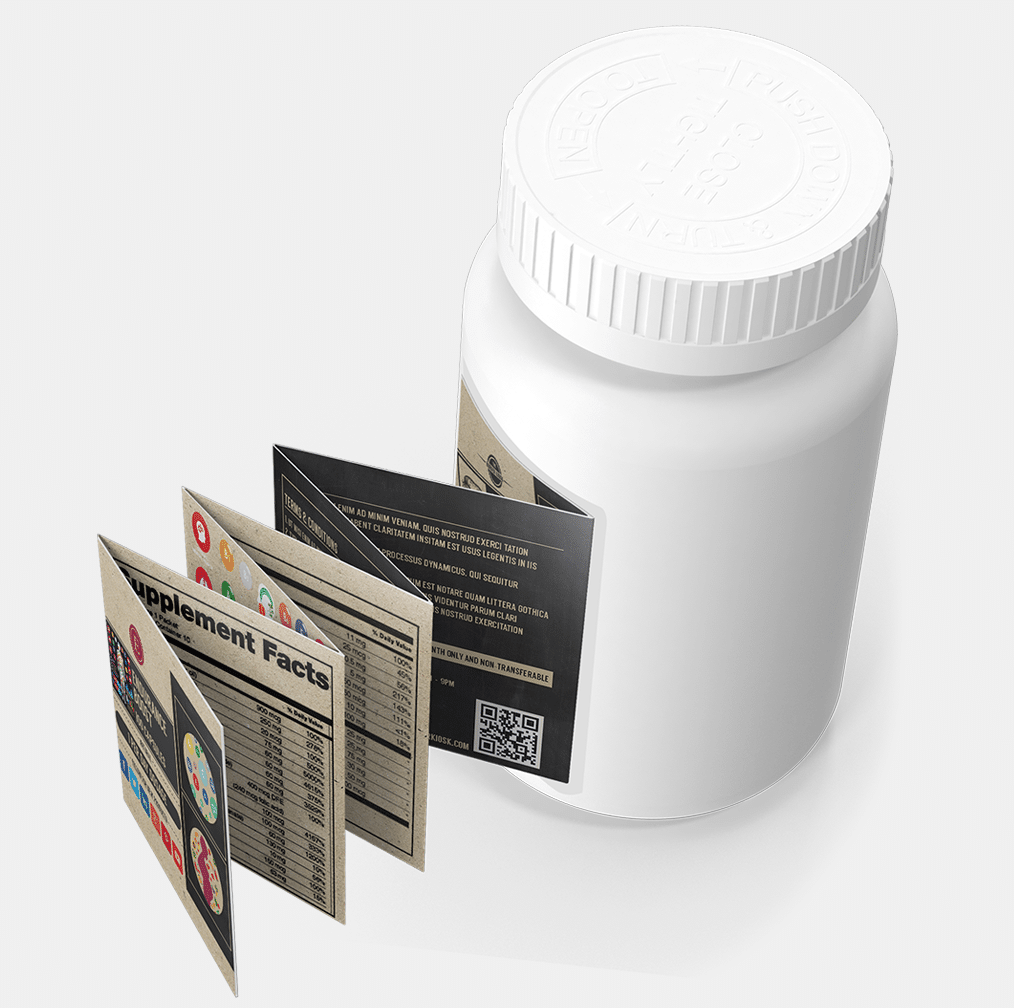
A layered construction lets customers lift or peel the label to access additional information underneath, with resealable options when content needs to remain available throughout product use. Depending on the market and construction, you may also hear terms such as peel-and-read labels, peel-and-reseal labels, multi-ply labels or extended text labels.
Why choose it: A strong option when the package needs additional content while maintaining a familiar prime-label footprint and an intuitive customer interaction.
Explore peel-and-reseal labels
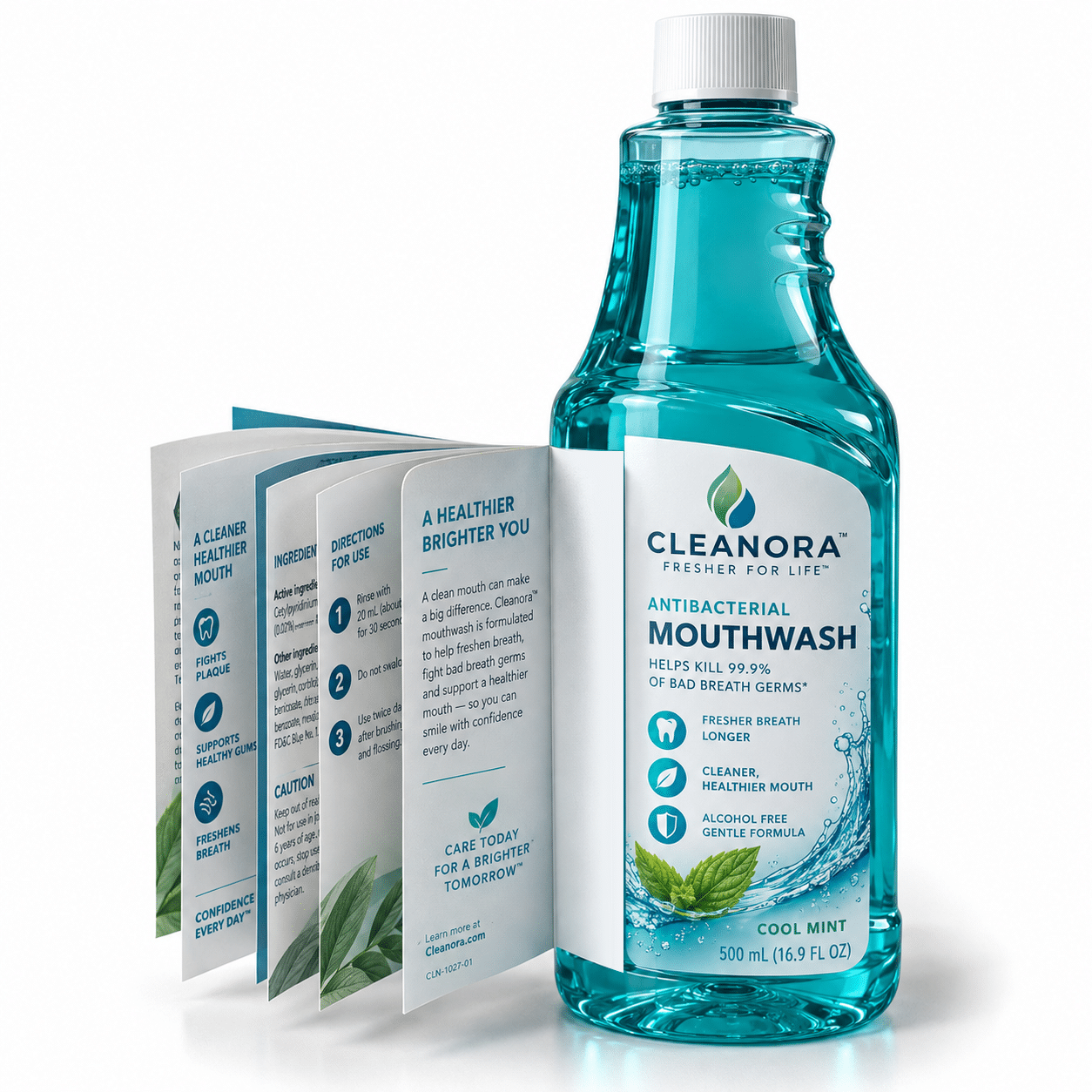
Booklet labels
Booklet labels integrate a folded or bound insert with the label construction, creating organized space for content that benefits from a more structured reading experience. Related industry terms can include leaflet labels, fold-out labels and expanded content labels, depending on the format.
Why choose it: When content has real depth, a booklet can make that information easier to organize without giving up the package’s primary branding surface.
Explore booklet labels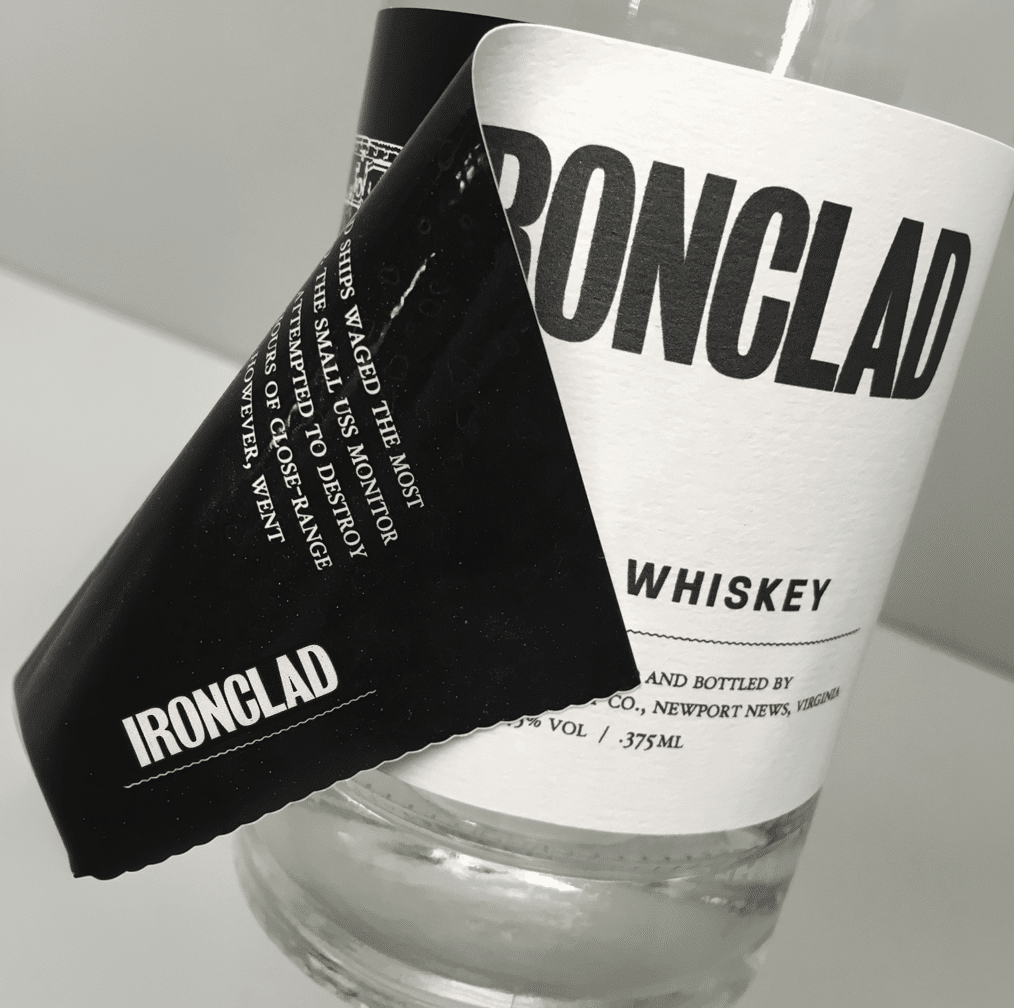
Wrap & multi-wrap labels
Wrap and multi-wrap labels make use of cylindrical package geometry by extending content around the container. Depending on the application, the label can reveal additional information as it unwraps and may be designed for repeat access.
Why choose it: The package itself becomes part of the solution, creating a long communication surface without requiring a separate insert or larger container.
Explore wrap labels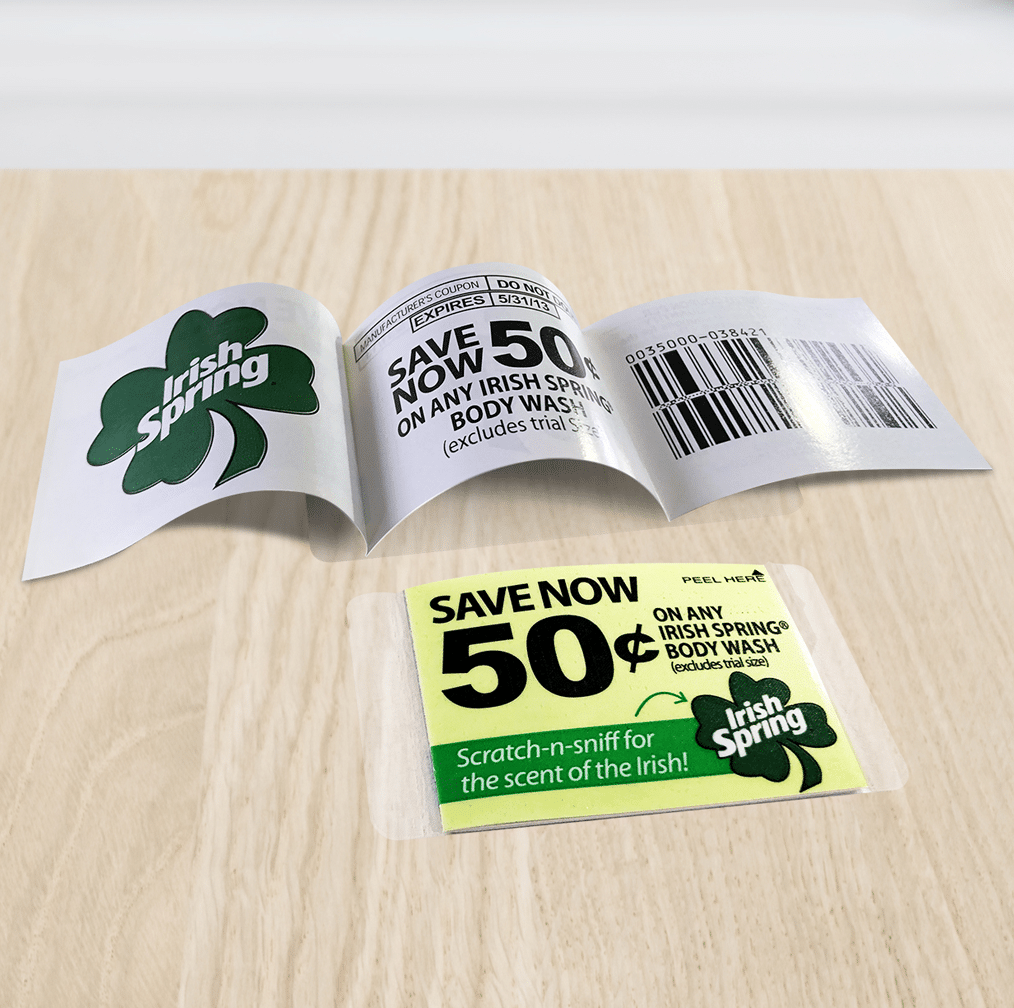
Removable & promotional constructions
Some extended content constructions are designed around a temporary interaction — revealing an offer, removing a piece, sharing a message or extending a campaign beyond the front of the package.
Why choose it: When marketing is the main objective, the label can become an active promotional vehicle rather than passive packaging space, including applications such as coupons and instant redeemable coupons (IRCs).
Explore dry release labelsExplore promotional labels
Different terminology. Related ideas.
Extended content labels have developed across different industries, printers and applications, so the language is not always consistent. You may encounter several names for related constructions, and that should not become your problem.
RLG focuses on the function you need first, then helps determine an appropriate construction. A familiar name can be useful shorthand, but the package, content and use conditions matter more than the label vocabulary.
The application comes first.
A successful ECL needs to work as part of the package system. RLG helps evaluate the variables that shape the construction instead of starting with a preselected format.
Content volume
How much information needs to fit, and how should it be organized so the customer can actually use it?
Package geometry
Container size, available label area, curves and surface shape influence which constructions are practical.
Environment
Moisture, chemicals, friction, temperature and handling can influence materials, adhesives and protection.
User interaction
Does the label need to be opened once, accessed repeatedly, removed, unfolded or read in a particular sequence?
Application method
The construction needs to align with how the package is labeled and how the finished product moves through production.
Brand experience
Outer-panel design, readability and interaction should work together so added content enhances rather than competes with the package.
That is why extended content labels benefit from an early conversation about the application rather than a late-stage attempt to squeeze more copy into an existing design.
The reveal can be part of the message.
Opening a panel, unfolding a booklet or unwrapping additional content changes the way someone interacts with the package. That moment can simply make important information easier to find — or it can become an intentional brand experience.
An ECL can solve a requirement — or unlock a new idea.
Extended content labels show up across markets because they create usable communication space. What brands do with that space can be practical, promotional, educational or all three.
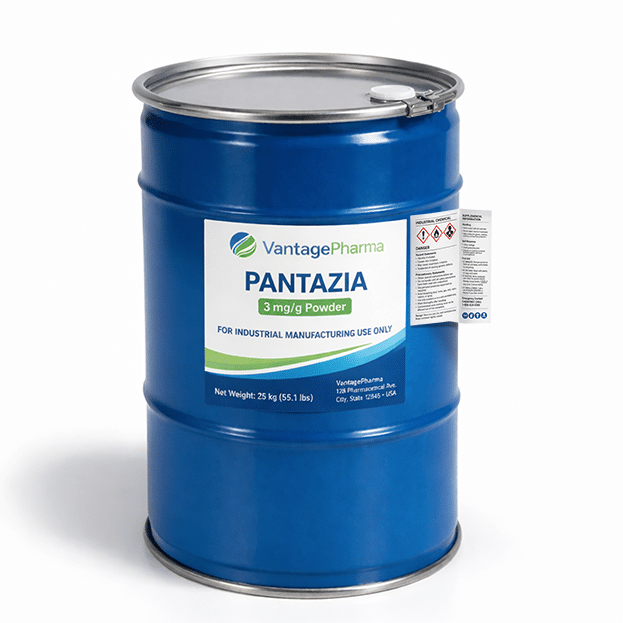
Keep required content clear without giving up the brand
Create room for product information, warnings, directions and supporting content while preserving a cleaner, more intentional primary panel.
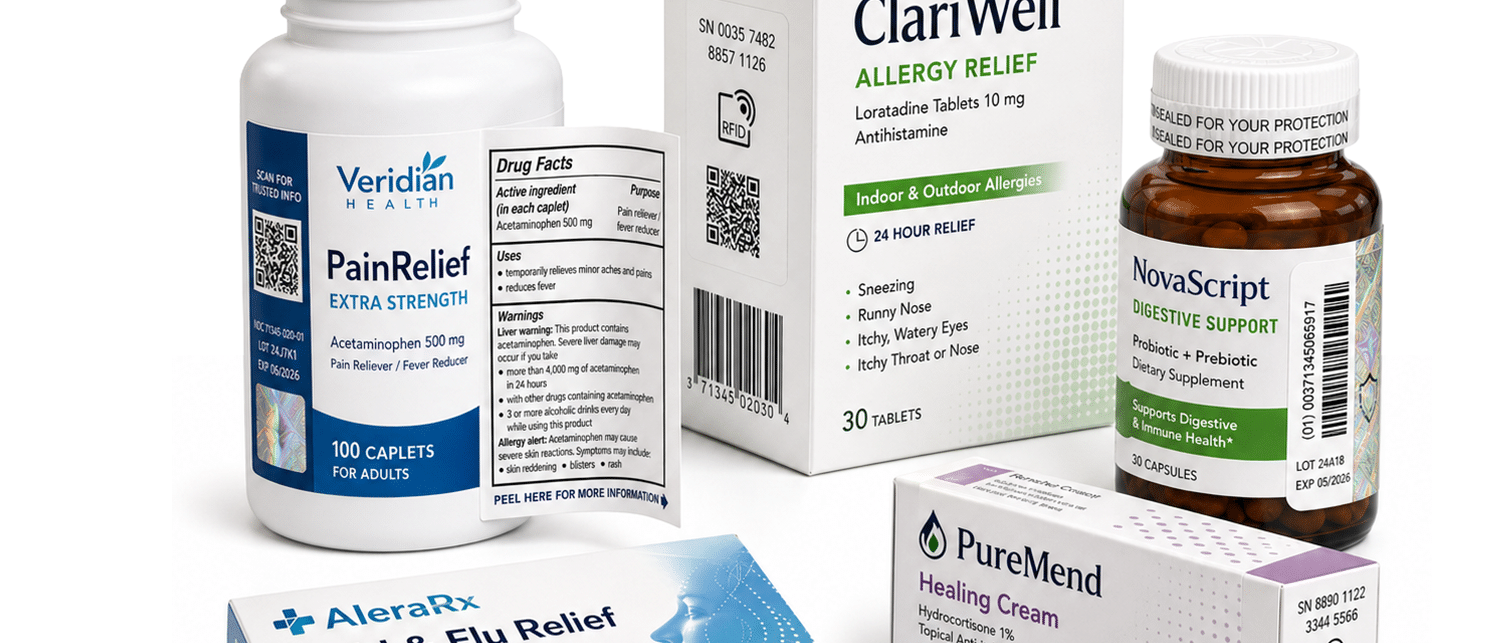
Regulatory + safetyMake dense healthcare information easier to use
Organize instructions, dosage or usage information, multiple languages and other detailed content on containers where label space disappears quickly.
Healthcare + nutraceuticalTurn extra space into more brand experience
Add recipes, preparation ideas, product education, sourcing stories, cross-promotions or additional brand content without overloading the front panel.
Food + consumer productsHandle complex information in demanding environments
Manage detailed instructions, hazard communication, multilingual copy and product-use information while accounting for real-world handling and exposure.
Chemical + industrialMake the package part of the promotion
Use additional or removable space for coupons, offers, campaign messaging, sweepstakes, loyalty content or other consumer interactions.
Promotions + engagementExpand across markets without crowding the label
Give language blocks or regional content enough room to remain readable and useful without multiplying visual clutter on the primary panel.
Multilingual + multi-marketA better ECL starts with better questions.
Instead of asking you to select from a catalog of constructions, the development conversation should connect content, package, production and end use.
Clarify the job
What must the package communicate? What would the brand like to communicate if more room were available?
Understand the package
Review container geometry, label area, application method, environment and how the product is handled.
Narrow the construction
Identify a label family and material approach that fits the amount of content and desired interaction.
Plan artwork & production
Coordinate content hierarchy, dielines, materials and production requirements around the selected approach.
Move into manufacturing
Bring the construction into production with attention to consistency, application and the finished package experience.
The value is not just printing more panels.
Extended content labels bring more variables into a single construction. RLG helps connect those variables so the solution works for the package, the content and the production environment.
Our role is to help customers translate a communication goal into a practical label solution, drawing on broad label and packaging experience, material knowledge, printing and converting capabilities and support across our network.
RLG brings creative, technical and production considerations into the same conversation, helping teams move from an information challenge or packaging idea to a practical label construction.
Go deeper when the application calls for it.
Designed to help you find a direction, these resources explore individual constructions, packaging challenges and creative opportunities in more detail.
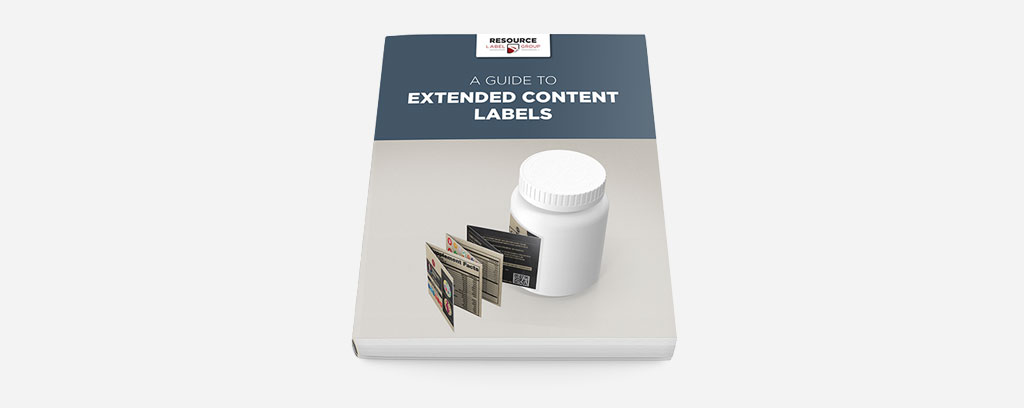
A guide to extended content labels
Explore ECL formats, applications and considerations in a downloadable Resource Label Group guide.
Download the guideWhen Space Runs Out
See how ECLs solve real packaging challenges when information requirements outgrow available label space.
Read the articleHidden opportunities for your brand
Explore creative ways to use extended content beyond required information.
Read the articlePromotional labels
When coupons, campaigns and shopper engagement are the primary goal, explore RLG’s broader promotional label capabilities.
Explore promotional labelsQuestions customers often ask
What is an extended content label?
An extended content label, or ECL, is a label construction that creates additional printable space through panels, layers, wraps, booklets or other expandable formats. ECLs can support required information, instructions, multiple languages, brand content, promotions and other communication needs.
What are extended content labels also called?
Terminology varies by construction, market and supplier. Common generic terms include peel-back labels, peel-and-reseal labels, peel-and-read labels, multi-ply labels, extended text labels, booklet or leaflet labels, fold-out labels, wrap or multi-wrap labels and expanded content labels. The name is less important than choosing a construction that fits the package, content and application.
Do I need to know which ECL construction I need before contacting RLG?
No. It is often more useful to begin with the amount and type of content, the package shape, application method, use environment and how customers will interact with the label. RLG can help narrow the construction from those requirements.
Can an extended content label be the primary label on the package?
Yes. Extended content constructions can be designed as integrated prime labels, with branding and key product information on the outward-facing panel and additional content revealed through the construction.
Are ECLs only for regulatory or required information?
No. Required information is an important use case, but brands also use extended content for product education, multilingual communication, recipes, usage ideas, storytelling, promotions, QR-enabled experiences and other forms of customer engagement.
What is the difference between peel-back, booklet and wrap labels?
They create additional content space in different ways. Peel-back labels reveal information beneath an outer layer, booklet labels integrate folded or bound content and wrap labels extend around a cylindrical container. The best choice depends on the amount of content, package geometry, environment, application and desired user interaction.
Can extended content labels support promotions?
Yes. Extended and removable constructions can support coupons, offers, campaign messages and other promotional interactions. When promotion is the primary objective, RLG can also help determine whether a broader promotional label solution is the better fit.
Can RLG help with labels that carry regulatory information?
RLG can help develop a label construction that provides space for regulatory, safety and instructional content and can advise on materials, structure and production considerations. Customers remain responsible for determining the regulatory content and requirements that apply to their product.
What should we consider when developing an extended content label?
Important considerations include content volume and hierarchy, container shape, available label area, environmental exposure, whether the label needs to reseal or be removed, application method and how the end user will access the information.
What could your packaging do with more room?
Bring us the package, the content challenge or the idea you want to explore. RLG can help shape an extended content approach around how the label needs to look, perform and be used.